
Table of Contents
In the landscape of global trade, China’s manufacturing industry has emerged as a powerhouse, exhibiting remarkable resilience despite challenges posed by U.S. tariffs. The trade tensions initiated by the previous U.S. administration have not diminished China’s capabilities as a manufacturing leader. In fact, its trade surplus has soared beyond the $1 trillion mark. This article explores the factors driving this growth and its implications for international trade dynamics.
Understanding the surge in China’s manufacturing
The growth of China’s manufacturing sector is attributed to several key factors. First, the country has invested heavily in technology and infrastructure, maintaining a competitive edge in production efficiency. Additionally, the Chinese government has implemented policies favoring domestic industries, effectively cushioning them against external pressures. Consequently, many global companies continue to rely on China as their primary manufacturing base, despite tariffs.
Investment in technology and innovation
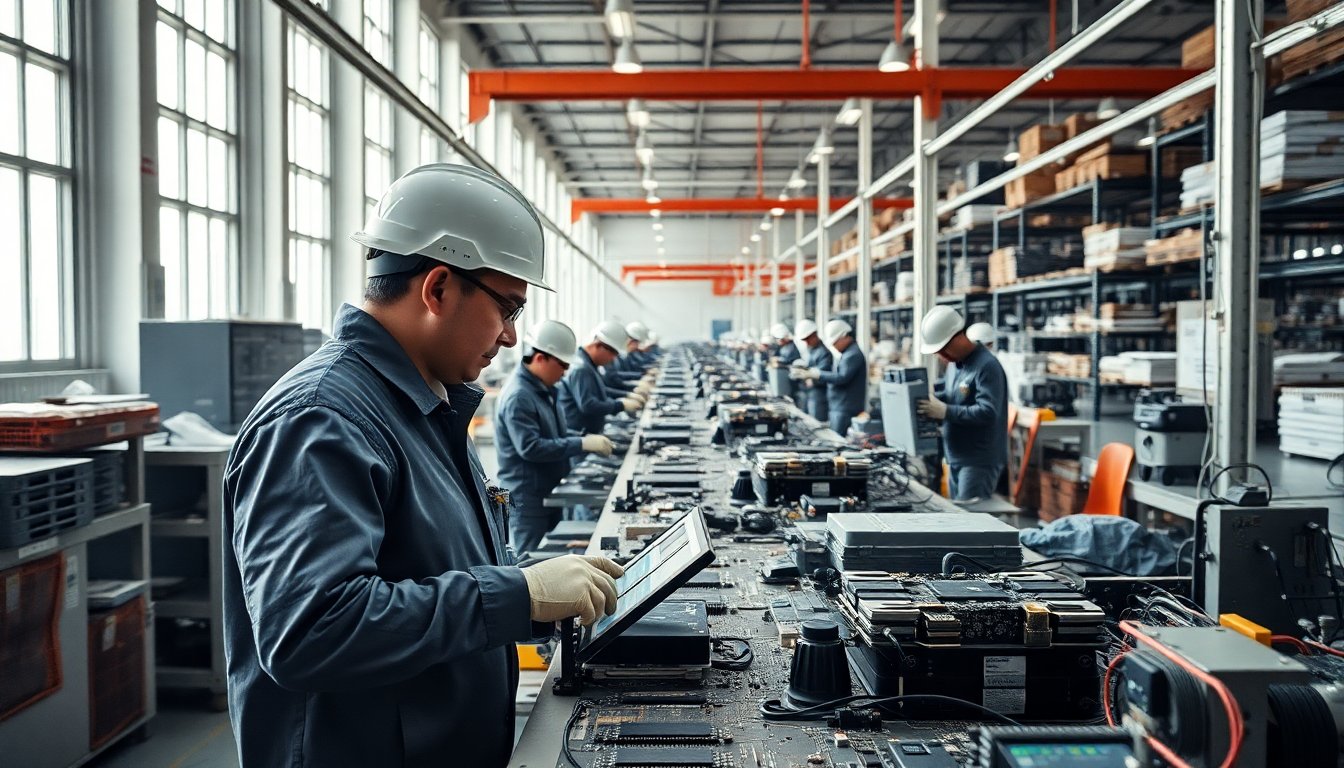
A cornerstone of China’s manufacturing success is its commitment to technology innovation. In recent years, Chinese firms have increasingly embraced automation and advanced manufacturing techniques. This shift enables them to produce goods at lower costs while enhancing quality, making Chinese products more attractive in international markets despite the added costs associated with tariffs.
Moreover, demand for high-tech components has surged. Companies such as ByteDance have emerged as leaders in securing essential resources like Nvidia chips to bolster production capabilities. This strategic acquisition of technology has further solidified China’s position as a key player in the global supply chain.
The impact of tariffs on trade relations
While U.S. tariffs aimed to protect American industries and reduce trade deficits, they have surprisingly reinforced China’s manufacturing dominance. As U.S. companies shifted their sourcing strategies to avoid higher costs, many turned to China due to its established infrastructure and skilled workforce. This has created a paradox where tariffs meant to weaken China’s economic position have instead strengthened it.
Trade dynamics amidst global tensions
Trade relations between the U.S. and China have become increasingly fraught, with both sides engaging in a series of retaliatory measures. The Chinese government has emphasized the importance of diplomatic communication. Leaders from both nations acknowledge the necessity of maintaining dialogue to navigate their complex relationship. Despite these tensions, overall trade between the two countries continues to grow, underscoring the interdependence of their economies.
Additionally, the rise in consumer prices for essential goods in the U.S., including staples like potatoes and cranberry sauce, suggests that tariffs are impacting American consumers more than they are affecting Chinese manufacturers. As prices increase, the burden shifts to the U.S. market, potentially leading to a reassessment of tariff policies in the future.
Future outlook for China’s manufacturing sector
Looking ahead, it is evident that China’s manufacturing sector will continue to adapt and evolve in response to global market changes. With its trade surplus expected to persist, the focus will likely shift towards expanding its influence in other markets, particularly in regions like Africa where opportunities for growth abound.
China’s strategic initiatives at international forums, such as the G20, indicate its commitment to fostering positive trade relationships. As it seeks to enhance its foothold in emerging markets, the implications for global trade patterns will be significant, reshaping the dynamics of manufacturing and consumption.
While U.S. tariffs were intended to challenge China’s economic rise, they have inadvertently fortified its manufacturing sector. By leveraging technology and maintaining strong trade ties, China is well-positioned to remain a dominant force in global manufacturing for the foreseeable future.