
Table of Contents
The Arctic region is increasingly becoming a focal point of geopolitical tension as nations vie for control over its resources and strategic routes. Among these players, China is making significant strides in establishing a military presence, raising alarms among national security officials in the United States. This article delves into the implications of China’s Arctic ambitions and the potential threats they pose.
China’s Arctic military buildup
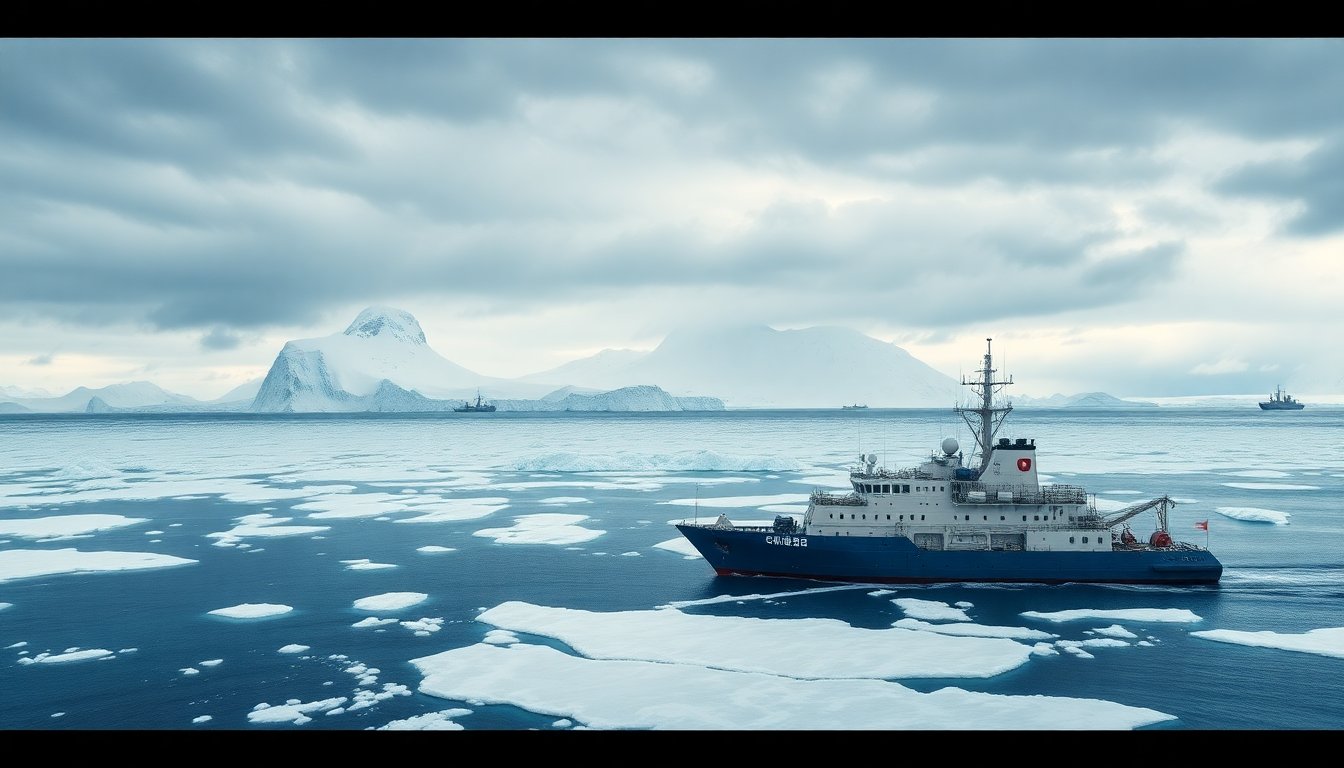
Since 2013, China has embarked on an extensive military enhancement in the Arctic, utilizing advanced submarines and icebreakers to assert its presence. These vessels not only facilitate navigation through icy waters but also serve as tools of military might. Analysts suggest that this shift signifies a new phase in Arctic geopolitics, with China aiming to secure its interests in a region rich in resources and shipping routes.
Submarines and icebreakers: A two-pronged approach
Chinese submarines are now equipped to operate in the Arctic, allowing for covert military maneuvers and intelligence gathering. The deployment of icebreakers complements this strategy by ensuring safe passage through challenging ice conditions, enabling China to extend its operational reach. This combination poses a dual challenge to U.S. interests, as it raises the stakes for naval engagements and surveillance efforts.
Implications for global security
The ramifications of China’s Arctic strategy extend beyond mere territorial ambitions. As the U.S. and its allies express concern over this military expansion, a potential arms race in the region could emerge. The Arctic’s melting ice caps, attributed to climate change, are opening new shipping lanes that could be contested, further heightening tensions. Countries like Canada and Norway are already on high alert, as they navigate the delicate balance between cooperation and competition.
Responses from the international community
In response to China’s growing influence, nations are reevaluating their Arctic policies. The NATO alliance, for instance, has begun to consider how to enhance its presence in the region, conducting joint exercises to demonstrate readiness. Additionally, Arctic Council discussions are increasingly focusing on security, with an emphasis on establishing protocols to mitigate conflict.
Moreover, the U.S. Coast Guard has recognized the need for increased icebreaker capabilities to maintain a strategic advantage. As other nations bolster their Arctic operations, the potential for miscalculations and escalations rises, compelling a reevaluation of diplomatic strategies.
China’s broader strategic goals
China’s Arctic maneuvers are not solely about military power; they reflect a broader ambition to position itself as a key player in global governance. By participating in Arctic governance forums, China aims to shape international norms surrounding resource extraction and navigation rights. This strategy is part of its larger vision of enhancing influence in critical areas, such as the South China Sea.
Environmental concerns and the future of the Arctic
While China’s activities raise security concerns, they also pose significant environmental risks. The construction of infrastructure and increased maritime traffic threaten the fragile Arctic ecosystem, leading to potential ecological disasters. The international community must grapple with the dual challenges of maintaining security while safeguarding the environment.
In conclusion, China’s assertive approach to the Arctic is reshaping the geopolitical landscape, posing new challenges for the U.S. and its allies. As nations respond to this evolving situation, the stakes for both security and environmental integrity in the Arctic will continue to rise.