
Table of Contents
In a landmark decision reflecting Indonesia’s evolving political landscape, the government has begun releasing hundreds of inmates. This move hints at a potential shift towards national reconciliation and unity, a much-needed step in these complex times. Spearheaded by President Prabowo Subianto, this initiative follows the recent approval of a comprehensive clemency plan by parliament, aimed at addressing the grievances of those imprisoned for political reasons. So, what’s driving this initiative, who are the individuals being released, and what does this mean for Indonesian society at large?
Overview of the Clemency Initiative
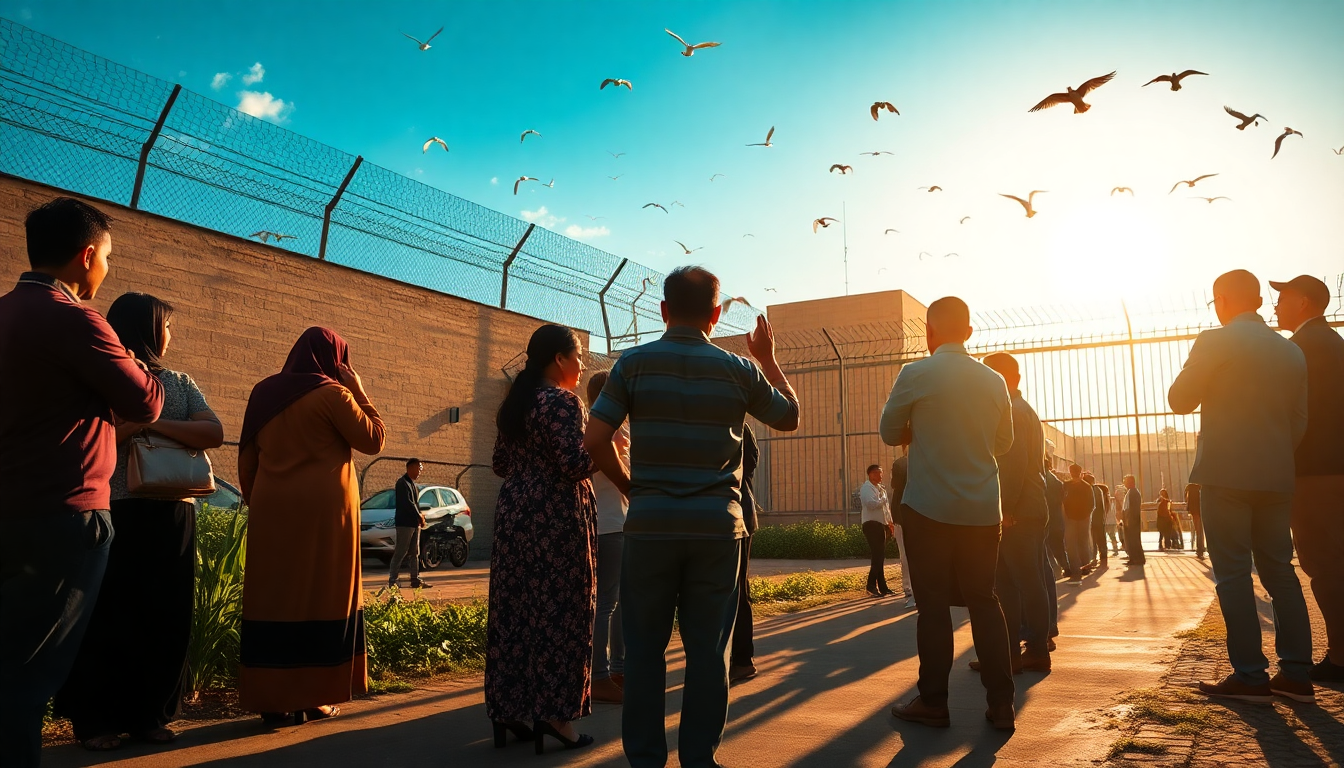
On a notable Friday, the first wave of 1,178 inmates walked free under the new clemency plan. This initiative has garnered public support from key government figures like Deputy Speaker of the House of Representatives Sufmi Dasco Ahmad and Law Minister Supratman Andi Agtas. President Subianto’s announcement shortly after taking office last October was a surprise for many. He expressed a desire to grant clemency to as many as 44,000 inmates across the nation. Such a bold move aims to foster a sense of unity among Indonesia’s diverse populace, especially after years of political tensions that have historically divided the nation.
The clemency plan places a priority on releasing individuals convicted of political crimes, as well as those dealing with mental or chronic health issues, elderly inmates, juveniles, and individuals convicted of blasphemy or offenses against the leadership. This comprehensive approach shows the government’s recognition of the need for a more compassionate legal framework, one that considers the unique circumstances surrounding different inmate populations. Isn’t it refreshing to see a shift towards empathy in governance?
Key Figures Released and Their Backgrounds
Among the notable individuals released was Hasto Kristiyanto, a prominent figure in Indonesian politics and the secretary-general of the Indonesian Democratic Party of Struggle, the country’s main opposition party. Kristiyanto’s release is particularly significant given his previous ties with former President Joko Widodo, which took a turn for the worse amid public criticism. Recently sentenced to three and a half years for his involvement in a bribery scandal linked to a legislative seat appointment, his release marks a pivotal moment for both him and the current political climate.
Then there’s former Trade Minister Tom Lembong, who had a rocky relationship with Widodo during the 2024 presidential election. His legal troubles have also been addressed as parliament moved to end criminal proceedings against him. Lembong faced allegations of misusing his ministerial authority concerning sugar import permits. This case highlights the intricate political dynamics at play, where former allies now find themselves navigating a complex landscape of loyalty and opposition. Isn’t it fascinating how politics can change the course of relationships?
Additionally, the release included six independence activists from West Papua, who faced treason charges. Their newfound freedom is a crucial step in acknowledging the long-standing tensions in this region and may open the door for more significant discussions about autonomy and rights for the Papuan people. Could this be the start of a new chapter for West Papua?
Future Implications and Broader Context
The release of these inmates signifies a critical juncture for Indonesia, where the potential for increased political dialogue and reconciliation may arise. President Subianto’s clemency plan, while ambitious, presents both opportunities and challenges. On one hand, it could foster a spirit of unity and healing in a country that has faced significant political strife. On the other, the government must navigate the delicate balance of addressing various stakeholders’ concerns while ensuring that the rule of law is upheld. How can they achieve this balance?
The political landscape in Indonesia remains fluid, and as authorities gear up to submit a second list of inmates for release, all eyes will be on civil society and political groups’ reactions. The broader implications for national unity, especially in areas with historical grievances, will be closely watched in the coming months. This initiative represents a glimmer of hope for many, as Indonesia seeks to redefine its approach to governance and justice—one that prioritizes healing and inclusivity. Are we witnessing the dawn of a new era for Indonesian politics?