
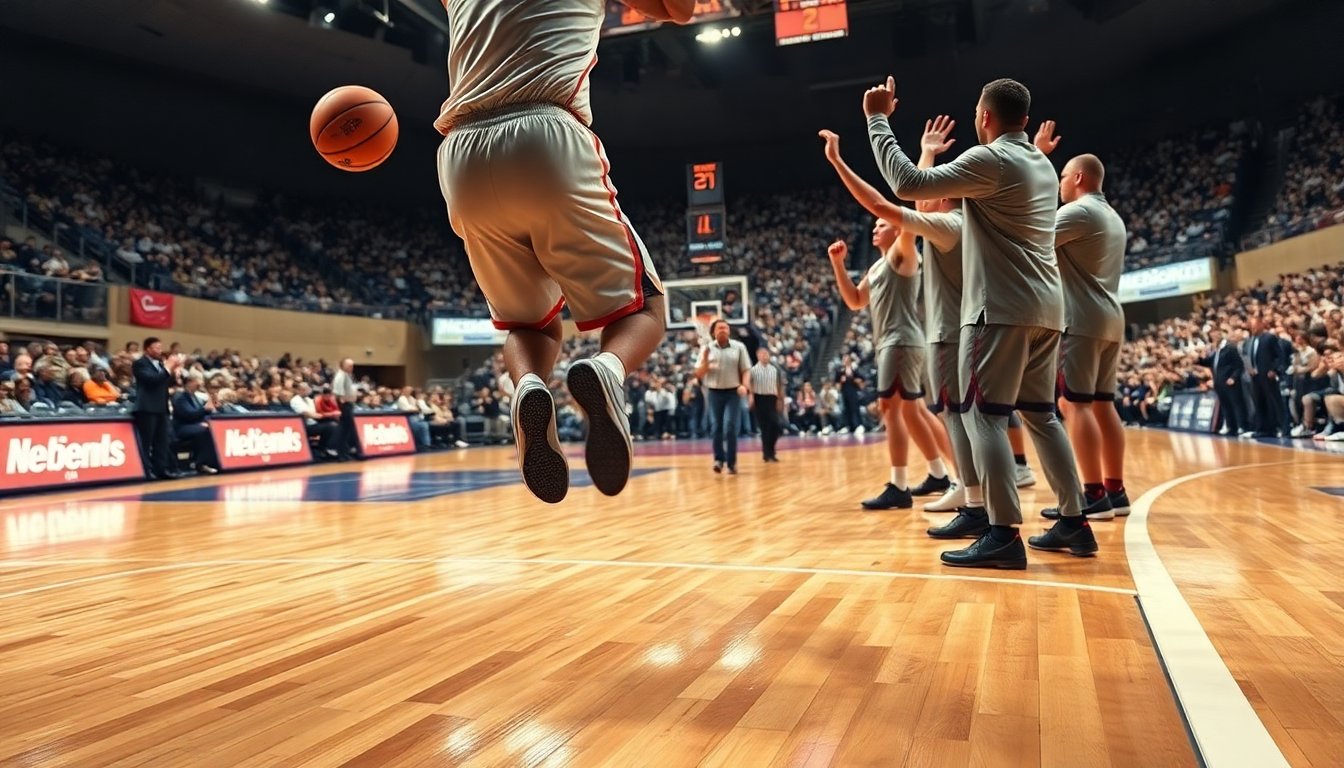
Golden State jumped out of the gates on March 2, 2026 at Chase Center, building a 17-point lead by halftime behind stingy defense and efficient scoring. But the Los Angeles Clippers clawed back after the break, flipped the game’s momentum and left San Francisco with a 114–101 win.
The loss matters beyond a single night. Los Angeles moves to within 1.5 games of Golden State in the Western Conference, tightening a race that could come down to the regular-season finale.
How the comeback unfolded
The Warriors dictated tempo early. Starters found high-percentage looks, the bench supplied energy, and the defense forced turnovers that turned into quick points — a 31–19 first-quarter cushion was the result. Brandin Podziemski poured in 20 first-half points and the Clippers managed just 7-of-24 shooting through the first 24 minutes.
But halftime adjustments changed everything. Los Angeles tightened its perimeter pressure, attacked the glass and shifted rotations to better contest Golden State’s strengths. The Clippers outscored the Warriors in the third and then seized the lead on the opening possession of the fourth when Kris Dunn buried a corner triple — the team’s first lead since early in the first quarter. From there, the visitors never looked back.
Turning points and key performers
Kawhi Leonard was the catalyst for the comeback, finishing with 23 points, eight rebounds and four assists. He looked contained at times in the first half but erupted after intermission, tallying 15 of his points in the second half.
Draymond Green’s exit late in the third proved costly for Golden State. He played 31 minutes and the Warriors were plus-seven with him on the floor before halftime; after he left with 4:37 remaining in the third, the Clippers dominated — outscoring Golden State 53–30 over the next stretch. Leonard’s plus-16 contrasted sharply with Green’s minus-18 on the night, a swing that underscored how much Golden State relied on his presence.
Bench play swung the game, too. Al Horford gave the Warriors a lift with a team-high 17 points (11 of them in the second half), while recent two-way addition Nate Williams sparked the crowd with 15 points in 17 minutes. For Los Angeles, Kris Dunn finished with 16 (nine after halftime), Benedict Mathurin ignited late — 15 points in the second half, 17 total — and a debuting Darius Garland chipped in 12.
Where Golden State faltered
The numbers tell the story of the collapse: ten turnovers that produced 17 Clippers points, and a woeful 15-of-45 (33.3%) shooting after the break. Podziemski’s first-half burst vanished — he scored just two points after intermission. The Warriors’ second-half drop in offensive efficiency and a shortage of defensive stops allowed the Clippers to capitalize and pull away.
What’s next
Golden State now embarks on a three-game road trip — Houston, Oklahoma City, then Utah — without Stephen Curry (earliest return listed as March 13). Kristaps Porziņģis has also missed multiple games with what Coach Steve Kerr called “a little mysterious” illness, adding to the uncertainty. Those absences magnify the need for cleaner late-game execution, steadier bench production and tighter rotation decisions.
The bigger picture
This result tightens the West race and raises the stakes for the season’s finish. The Warriors must shore up possession management, clarify late-game roles and find ways to sustain offense when starters rest. The Clippers, by contrast, showed they can weather a rough first half and flip the script with defense, timely shots and a deeper second unit.
The loss matters beyond a single night. Los Angeles moves to within 1.5 games of Golden State in the Western Conference, tightening a race that could come down to the regular-season finale.0