
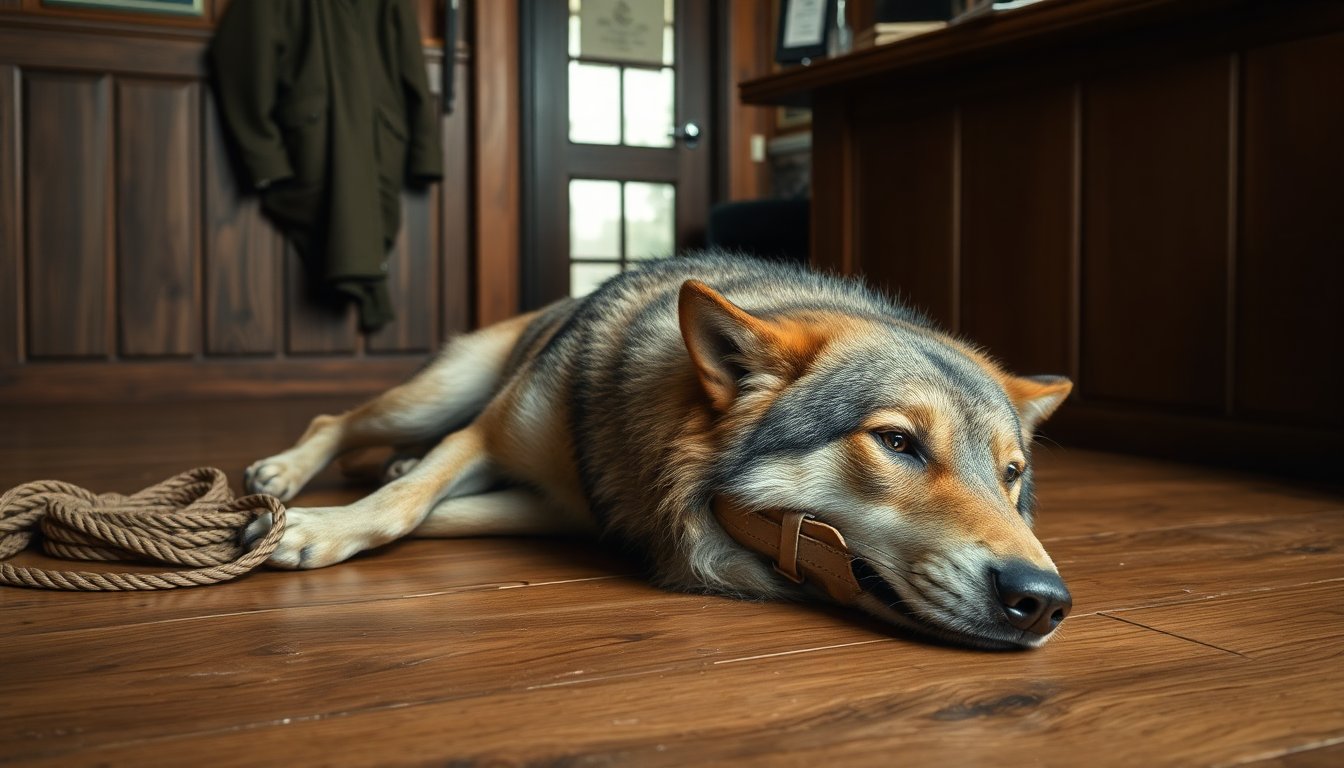
Cody Roberts, a 44-year-old hunter from Wyoming, has agreed to plead guilty or no contest to a felony charge in a case that drew national attention. The plea deal, filed in Natrona County District Court on Feb. 25, 2026, recommends fines and 18 months of supervised probation rather than prison time. The controversy began after images and video surfaced showing Roberts with an injured, muzzled wolf inside a local bar—footage that set off months of legal scrutiny and intense public criticism.
What the plea would mean
– Roberts is expected to change his plea on a single count of felony cruelty to animals. The submitted agreement asks the court to impose a $1,000 fine and 18 months of supervised probation, and prosecutors declined to recommend jail time in the filing.
– During probation he would be prohibited from hunting (including shed hunting), fishing, consuming alcohol, and entering bars, lounges or liquor stores. The agreement also requires a substance abuse evaluation and compliance with any recommended treatment, payment of court costs, and a $300 contribution to the state crime victims fund.
– If Roberts violates probation, he faces up to two years in jail and an additional fine of up to $4,000. A judge still must approve the agreement and schedule a change-of-plea hearing.
Why the state offered a plea
The deal spares the state a trial and the uncertainties of a contested evidentiary record. Plea bargains often reflect prosecutors’ calculations about the strength of the evidence, the cost and time of litigation, and the likelihood of conviction. They also give victims and the public a known outcome more quickly than protracted court proceedings. At the same time, criminal charges can coexist with civil or administrative actions, so this agreement does not foreclose other remedies from regulators or conservation groups.
Reaction and broader debate
Many people who wanted tougher penalties criticized the absence of a recommended jail term. Others welcomed the resolution as legal closure that allows law enforcement to redirect resources to other wildlife enforcement priorities. The case has reopened heated discussion in Wyoming about hunting practices and how aggressively wildlife statutes should be enforced.
How the case unfolded
Local reporters first revealed that a wolf had been found injured after what was believed to be a snowmobile encounter. One account identified Feb. 29, 2026, as the night the animal was left gravely wounded. Photographs and video later showed Roberts at the Green River Bar in Daniel, Wyoming, with the animal and tape around its muzzle. Observers who reviewed the footage told reporters the wolf seemed barely conscious; several news outlets reported that Roberts then took the animal behind a building and killed it. Authorities have not released a public forensic timeline confirming those on-scene observations.
Administrative and criminal responses
The Wyoming Game and Fish Department initially cited Roberts with a $250 administrative fine for possession of warm-blooded wildlife, noting that felony cruelty statutes may not apply to predators in some situations. That modest penalty drew widespread criticism from conservation groups, elected officials and members of the public. In August 2026, a Sublette County grand jury returned an indictment charging Roberts with felony cruelty to animals; the indictment alleges conduct the state class