
Table of Contents
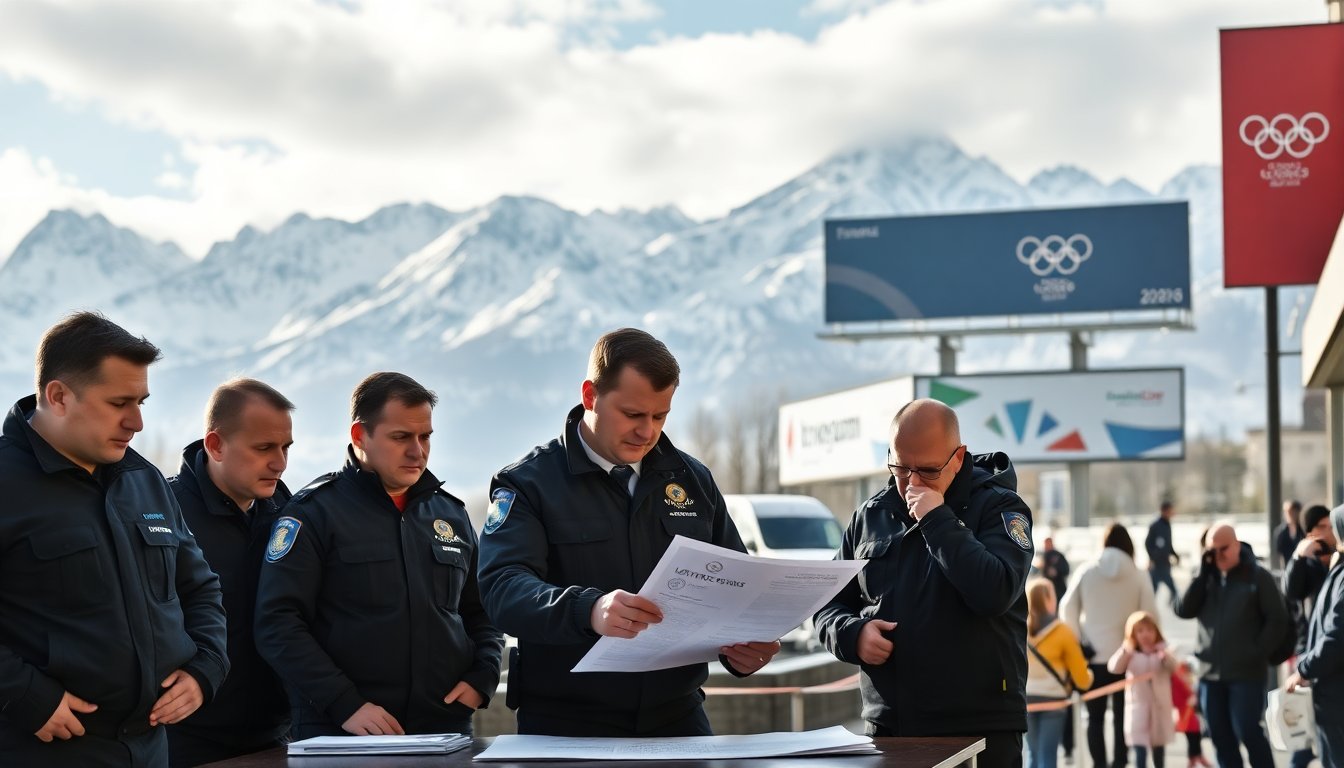
As the countdown begins for the 2026 Winter Olympics in Milano-Cortina, controversy has erupted over the announcement that a unit from the U.S. Immigration and Customs Enforcement (ICE) will participate in security operations. This development has sparked strong reactions from Italian officials and citizens, who are voicing serious concerns regarding the implications of ICE’s involvement.
The Department of Homeland Security disclosed that the Homeland Security Investigations (HSI) unit, which targets transnational crime, will assist the U.S. State Department’s Diplomatic Security Service during the Olympics. Critics argue that this move could signify a troubling alliance between U.S. law enforcement and international events, especially given ICE’s contentious reputation.
Concerns from Italian officials
Italian leaders have reacted swiftly and intensely. Milan’s mayor, Giuseppe Sala, publicly condemned the decision, branding ICE a “militia that kills” and asserting that they are unwelcome in his city. Sala’s comments reflect a widespread sentiment among many Italians who view ICE’s actions, particularly regarding immigration enforcement in the U.S., as incompatible with Italy’s values of human rights and dignity.
Public protests and petitions
In response to the announcement, numerous online petitions have emerged, aiming to mobilize public opposition against ICE’s presence at the Games. Activists and citizens have organized protests, including a flash mob demonstration outside the U.S. Embassy in Rome, to express their discontent. As the February 6 opening approaches, the outcry against ICE not only reflects local sentiments but also signifies growing unease about U.S. immigration policies affecting international relations.
The role of ICE at the Olympics
The Homeland Security Investigations unit will not engage in immigration enforcement in Italy, as clarified by U.S. officials. Instead, their primary role will involve intelligence and security support, as well as mitigating risks linked to transnational criminal organizations. HSI agents often collaborate with local law enforcement agencies to address issues such as human trafficking and drug smuggling.
ICE’s involvement is not without precedent; similar units have participated in security operations at various international events, including past Olympic Games. However, recent violent incidents in Minnesota involving ICE officers have intensified scrutiny over their role abroad, raising fears that their presence may exacerbate tensions.
Historical context of ICE’s international role
ICE’s framework comprises several divisions, with the Enforcement and Removal Operations (ERO) focusing on the arrest and deportation of individuals without legal status in the U.S. In contrast, HSI operates within a broader scope, addressing cross-border crimes that transcend immigration issues. This distinction, however, is often overlooked in public discourse, leading to a conflated perception of ICE’s mandate and its implications for international security.
Local and international implications
The Italian Interior Ministry has reassured citizens that all security measures during the Winter Olympics will remain under the jurisdiction of Italian authorities. HSI agents will be stationed at the U.S. Consulate in Milan, serving a supportive role rather than direct enforcement capacity. This arrangement aims to enhance cooperation between U.S. and Italian law enforcement while respecting Italy’s sovereignty.
As the Olympics draw near, the intersection of international events and national security continues to be a contentious issue. The presence of ICE agents at such a globally significant event underscores the challenges of balancing security needs with the rights and perceptions of local populations. The evolving situation in Italy serves as a reminder of the complexities inherent in international relations and law enforcement.