
Table of Contents
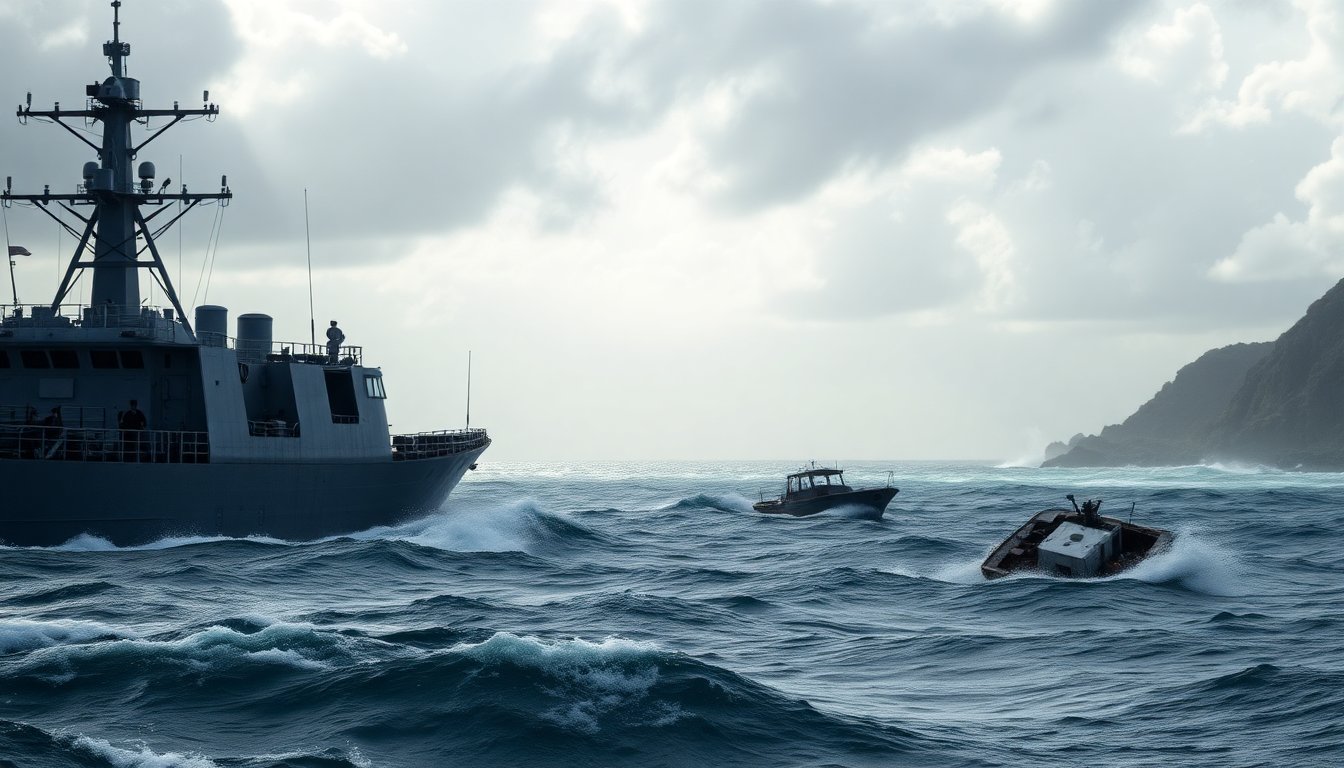
In a notable development, Congressional Democrats are calling for a broader investigation into a controversial military strike that took place off the coast of Venezuela. This strike resulted in the deaths of two survivors. The military action, executed by U.S. forces under the guidance of Defense Secretary Pete Hegseth, has sparked serious concerns about the legality and ethical ramifications of using force against individuals already affected by a prior attack.
Military action and its implications
Initial reports indicate that a military strike targeted a vessel suspected of drug trafficking, resulting in the tragic loss of life among those on board. This incident has raised significant alarm in Congress. Some lawmakers, including Senator Roger Wicker, Chairman of the Senate Armed Services Committee, have called for increased oversight and accountability. Wicker emphasized the seriousness of the situation, stating, “These are serious charges, and that’s the reason we’re going to have special oversight.” This comment underscores a growing concern about the implications of military force in such operations.
The controversy surrounding Hegseth
Hegseth’s time as Secretary of Defense has been fraught with controversy. His difficult confirmation process raised questions about his qualifications and temperament. He has since faced mounting scrutiny, especially after a series of military operations labeled by some as reckless. Legal experts suggest that the subsequent strike on survivors may violate the laws of armed conflict.
In defending his actions, Hegseth pointed to the fog of war, stating he did not see survivors in the water during the second strike. This explanation, however, has not quelled criticism. Opponents argue that such a decision indicates a significant misjudgment in military strategy.
Congressional reactions and investigations
The ongoing investigation has elicited varied responses from lawmakers. Some Republicans, including Senator Thom Tillis, have urged for accountability. In contrast, others continue to support Hegseth’s leadership despite increasing pressure from Democratic senators like Chris Van Hollen, who has openly criticized the actions against the survivors. Van Hollen described these actions as akin to murder or a war crime.
Legal and ethical concerns
The legal implications of the military’s actions are significant. Members of Congress are questioning the authority under which these strikes were conducted. There has been no explicit authorization from Congress for such military operations against alleged drug traffickers. Representative Adam Smith has highlighted the troubling nature of these operations, emphasizing that the rationale for using lethal force against unarmed individuals raises serious ethical concerns.
As the investigation continues, lawmakers are demanding transparency. They seek access to video footage and documentation related to the orders that resulted in tragic outcomes. This scrutiny highlights a growing tension between the military and Congress, with some lawmakers feeling excluded from the decision-making process regarding military operations.
Key questions about military oversight
Investigation into Caribbean boat strike raises questions for U.S. military
The ongoing inquiries into the Caribbean boat strike highlight a critical juncture for the U.S. military and its congressional oversight. As representatives strive to ensure that military operations comply with legal and ethical standards, the actions of Secretary Hegseth and his team are likely to face intense scrutiny. The political consequences of these investigations may have enduring impacts on military policy and the accountability of military leaders in future operations.
As this situation develops, the call for accountability is expected to shape discussions regarding military engagement and the use of force against individuals in conflict zones. This situation underscores the necessity for a reevaluation of rules of engagement and military ethics.