
Table of Contents
The landscape of voting regulations often appears inconsistent, particularly when comparing different states. Minnesota is currently facing serious fraud allegations<\/strong>, while New Jersey has introduced new ID requirements for reduced fares on public transit. This contrast raises important questions about the voter identification laws<\/strong> and their implications for citizens in both states.<\/p>
Fraud allegations in Minnesota<\/h2>
In Minnesota, a significant fraud scandal has emerged, focusing on subsidy payments<\/strong> intended for organizations predominantly led by individuals from the Somali community. Authorities are uncovering widespread issues regarding the legitimacy of these subsidies, prompting an investigation into potential fraudulent activities. The ongoing inquiry underscores the complexities of administering financial assistance programs and emphasizes the need for rigorous oversight.<\/p>
The role of ID requirements
While Minnesota faces allegations over its voting processes, it remains one of the 14 states that do not require photo identification at polling places. Critics argue that the lack of strict ID requirements may undermine electoral integrity.
New Jersey’s new ID policy
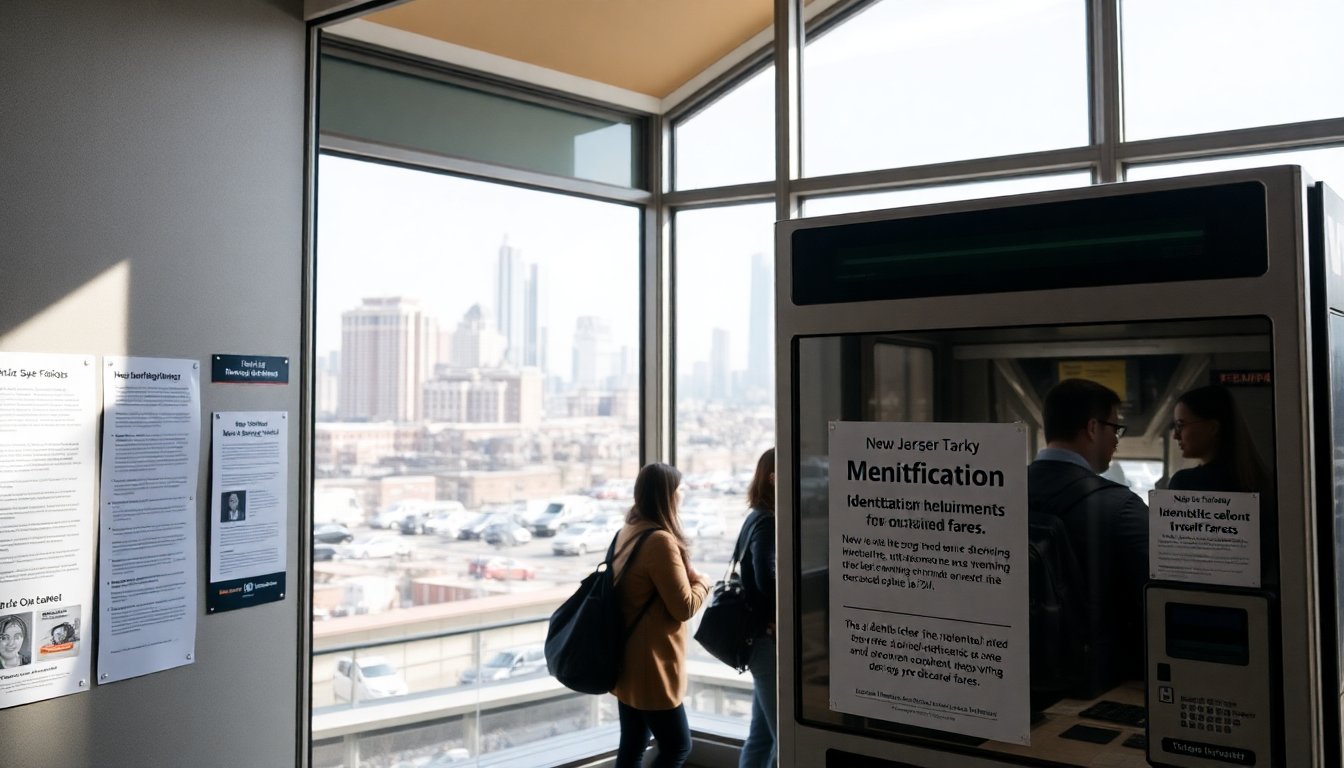
In contrast, New Jersey has implemented a new requirement for citizens seeking reduced fares on NJ Transit. As of January 1, residents must present a photo ID to qualify for these discounted fares. This policy change primarily affects senior citizens, military personnel, and individuals with disabilities, igniting a heated debate online about the inconsistency of ID requirements for voting versus transportation.
New Jersey Transit has announced that non-photo ID cards will no longer be accepted. According to spokesperson John Chartier, individuals must now apply for a new photo ID. Applications can be submitted online, by mail, or in person. The new ID will require proof of age or disability, along with a recent photograph. This policy change has faced criticism from various groups, including the volunteer organization New Jersey Project, which highlighted the inconsistency between the requirements for public transit discounts and those for voting.
Online reactions and public discourse
The announcement of New Jersey’s new ID requirement has sparked discussions on social media. Many users have expressed disbelief that a photo ID is required for reduced fares on public transit, while it remains optional for voting. One user commented, “This is how they keep states blue by cheating,” reflecting a growing sentiment among critics of policies implemented by the Democratic leadership.
Comparing voter ID laws
The differing voter ID policies in Minnesota and New Jersey highlight significant debates surrounding the need for such regulations. In New Jersey, voters are required to provide their state driver’s license number during registration. However, first-time voters who do not include this information can present alternative forms of identification, such as utility bills or bank statements, which do not necessarily need to have a photograph.
Critics of this approach argue that the flexibility might compromise the integrity of electoral processes. Conversely, advocates for voter ID laws assert that these requirements can disproportionately disenfranchise minority groups who may face challenges in obtaining valid identification.
Advocacy and community responses
Organizations such as Wake Up NJ have pointed out the uneven enforcement of identification requirements in the state. While New Jersey mandates residents to present IDs for public transit, similar scrutiny is not applied to voting. Their advocacy for reform indicates a rising demand for consistency in identification laws across different sectors.
As discussions progress, it is essential to monitor how these policies adapt in light of public criticism and ongoing investigations. The focus on fraud issues in Minnesota and inconsistencies in New Jersey’s ID requirements may prompt more extensive conversations about voter integrity and access to essential services.
The effects of these policies reach beyond individual states, reflecting broader national discussions on electoral integrity, accessibility, and the government’s role in protecting the democratic process.