
Table of Contents
The recent actions by the Yemeni Houthis have broadened a conflict that was previously concentrated elsewhere in the region. After claiming missile and drone strikes on Israel, the group warned it would sustain operations until Israel “ceases its attacks and aggression,” according to Houthi spokespeople. These moves have pushed observers to reassess strategic vulnerabilities in maritime corridors, especially the Bab al-Mandeb strait, which links the Red Sea to the Gulf of Aden. The possibility of a deliberate interruption there would compound existing pressures caused by disruptions in the Strait of Hormuz, where passage has already been severely limited after attacks on vessels.
Diplomatic efforts are underway even as military posturing intensifies. Foreign ministers from Pakistan, Turkiye, Egypt and Saudi Arabia held talks aimed at cooling tensions, while political statements in Tehran suggested alarm about potential further escalation. Analysts note the Houthis operate with a degree of independence: Tehran considers them part of an axis of resistance, but Houthi decision-making is not a simple extension of Iranian command. Still, their coordination with Iran-friendly actors has strategic implications that ripple across trade, energy markets and regional security calculations.
Why the Houthis are now striking beyond Yemen
The group’s recent operations have been framed publicly as responses to broader hostilities involving Israel. Houthi commanders said they used cruise missiles and drones in attacks targeting Israel, signalling an intent to project force far beyond Yemeni shores. Observers caution that these sorties may amount to calibrated signals rather than full-scale entry into a multi-front war. For now, the actions demonstrate capability and intent without necessarily committing to sustained naval interdiction. Still, the rhetoric and choice of targets indicate a willingness to influence outcomes beyond local battlefields.
Independent actors and regional alignment
Yemeni leadership retains its own strategic calculus. While the Houthis share tactical and ideological ties with Iran, their moves reflect internal judgments about timing and risk. Some analysts describe current attacks as a form of deterrence or bargaining leverage, not outright alliance-driven expansion. That approach allows the Houthis to support allied objectives while keeping open the option to escalate, for instance by targeting maritime traffic if pressured or if the conflict spreads.
Why Bab al-Mandeb matters
Bab al-Mandeb is a narrow waterway between Yemen and the Horn of Africa that connects the Red Sea to the wider Indian Ocean. At its narrowest the strait measures about 29km (18 miles), forcing most ships into two main transit lanes. Its geographic constraints make it an essential chokepoint for global maritime trade: roughly 10 percent of global trade and significant energy shipments transit this route en route to the Suez Canal and beyond. Any effective closure — through mines, small-boat attacks or targeted strikes on passing vessels — would force rerouting, raise shipping costs and amplify shortages in energy markets already strained by disruptions in the Strait of Hormuz.
How a blockade could unfold
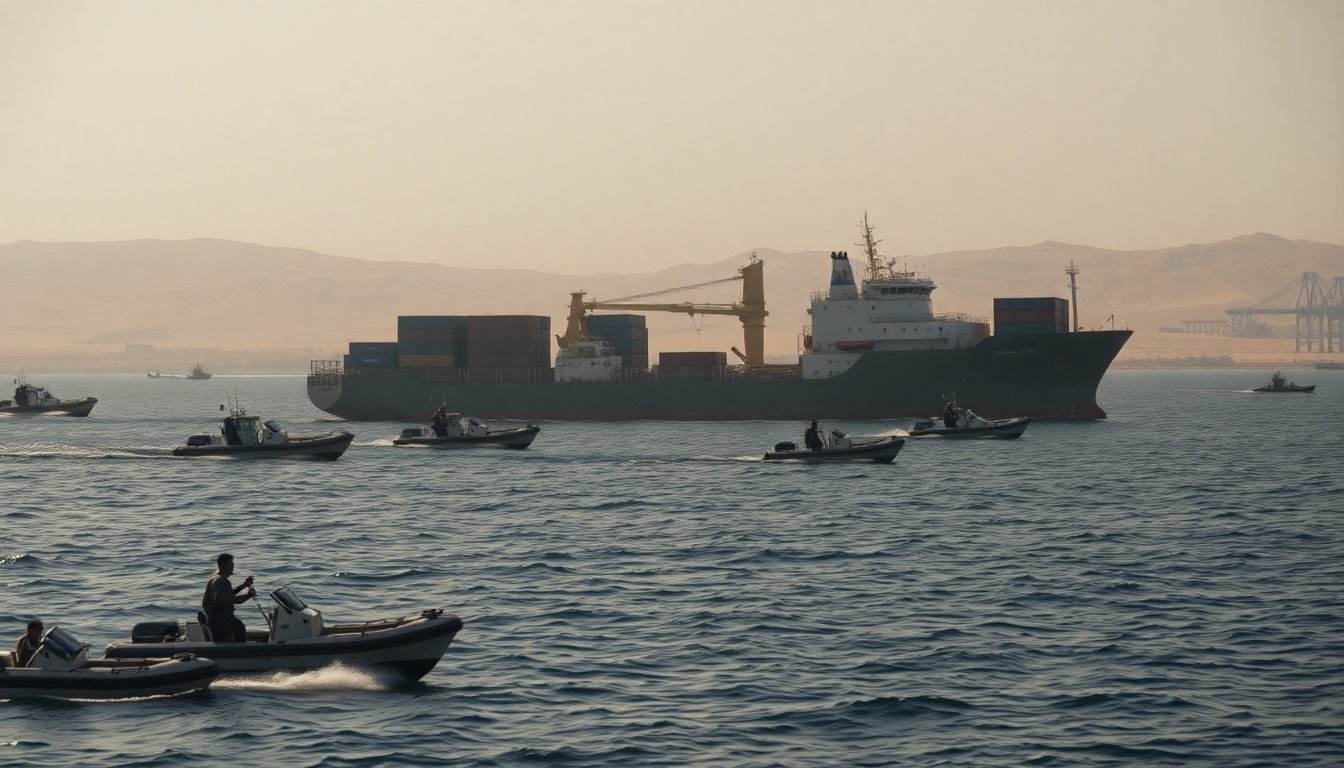
Blocking the strait could be achieved with relatively low-cost methods such as deploying mines, using fast attack craft to harass ships, or attacking a handful of commercial vessels to induce insurer or operator suspensions. Such a campaign would likely provoke rapid and forceful responses from regional and global powers, and could trigger direct strikes against Houthi positions. Analysts warn that even limited interdiction would have outsized economic consequences because of the strait’s narrowness and the concentration of traffic through specific channels.
Regional and global consequences
If Bab al-Mandeb were disrupted while the Strait of Hormuz remains constrained, global shipping routes to Europe and Asia would face severe strain. Alternative pipelines and ports — including rerouting via the Red Sea to the Mediterranean or using overland corridors — offer partial relief but cannot immediately absorb the volume. Markets would react to reduced supply flows with price volatility, and countries dependent on uninterrupted maritime access would feel economic pain. Policymakers are therefore weighing diplomatic avenues to de-escalate alongside preparations to protect maritime traffic and energy supplies.
Past Houthi attacks in 2026 targeted commercial shipping in the region and signalled that the group has operational experience in maritime harassment. Today, their direct strikes on distant targets and public warnings about closing Bab al-Mandeb raise the stakes. Whether the Houthis choose to limit themselves to symbolic strikes or to pursue a blockade will depend on unfolding politics, potential reprisals and whether diplomatic pressure can reduce incentives for escalation. The coming weeks will be decisive for the security of one of the world’s most sensitive maritime passages.