
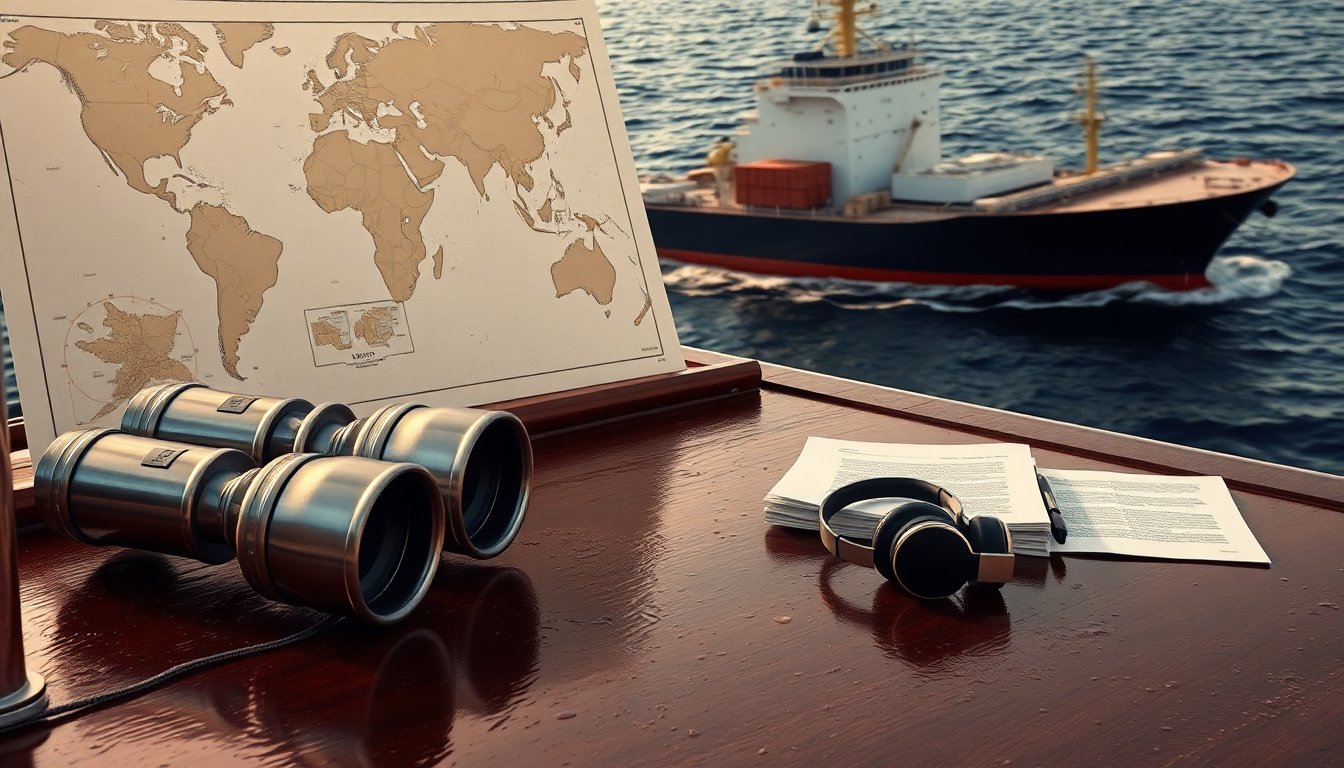
Tensions between the United States and Iran have sharpened, and the fallout is already spilling into markets, boardrooms and diplomatic capitals. President Donald Trump’s recent comments — including a suggestion that Cuba could be next after Iran — have layered fresh uncertainty on top of an already volatile situation. Attacks on vessels, military strikes and rising insurance costs have strained energy logistics, particularly around the Strait of Hormuz, while traders, shippers and governments all scramble to recalibrate risk.
Why this matters
The Strait of Hormuz sits at the chokepoint of global oil flows, so any disruption there ripples through shipping schedules, freight rates and fuel prices. Insurers have responded fast, pushing up premiums for vessels operating in the region; those higher costs filter into the price of energy and the broader supply chain. At the same time, political signals coming from Washington — especially mentioning a potential new focus on Cuba and naming a senior figure to lead that effort — reshape how allies and rivals interpret U.S. priorities. When an administration singles out a country and assigns a point person, it funnels political energy, shapes bureaucratic attention and raises expectations about follow-up measures.
Political signaling and its consequences
Public rhetoric does more than inform; it sets momentum. Naming a lead official, and linking them to constituencies such as the Cuban exile community, signals a serious interest in tougher policy toward Havana. That can harden positions domestically, reopen old wounds within diaspora communities, and prompt allies to rethink their posture. For adversaries, such signals are a test: are these mere words or the opening moves in a broader campaign?
Domestic and international fallout
At home, the president’s remarks have reignited debates in the Cuban‑American community. Some see a harder line as the only plausible path to change in Cuba; others warn that escalation risks civilian harm, migration pressures and regional instability. Overseas, allied governments don’t ignore rhetorical shifts. Even before any official policy changes, ministries may update contingency plans for trade and migration, or quietly adjust diplomatic staffing and priorities in anticipation of fallout.
Watch these early indicators
To separate posturing from policy, look for three concrete signs:
– Policy signals: white house addresses, State Department statements and formal directives that clarify objectives.
– Administrative moves: New offices, personnel changes or reorganizations that elevate the issue inside government.
– Economic measures: Sanctions listings, licensing changes, or rules affecting remittances and trade.
Practical steps for companies
Businesses that rely on maritime routes or energy supplies should act now to reduce their exposure:
– Map critical routes and identify alternative suppliers and ports.
– Review insurance terms and renegotiate charterparty clauses where possible.
– Strengthen onboard security and update crew safety protocols.
– Test logistics playbooks and stress-test inventory and buffer stocks.
A few sensible government steps
At the state level, policymakers can reduce the risk of miscalculation by calibrating military posture to avoid unintended escalation, intensifying diplomacy to preserve de-escalatory channels with regional and global partners, and bolstering economic resilience through contingency planning, insurance hedges and cross-agency crisis cells to synchronize messaging and responses. Watch for administrative and economic moves that turn talk into action, and for companies to shore up supply chains and legal exposure. A measured, well-prepared response — both in government and the private sector — will determine whether this period becomes a short-lived spike of instability or the start of a longer, more consequential shift.