
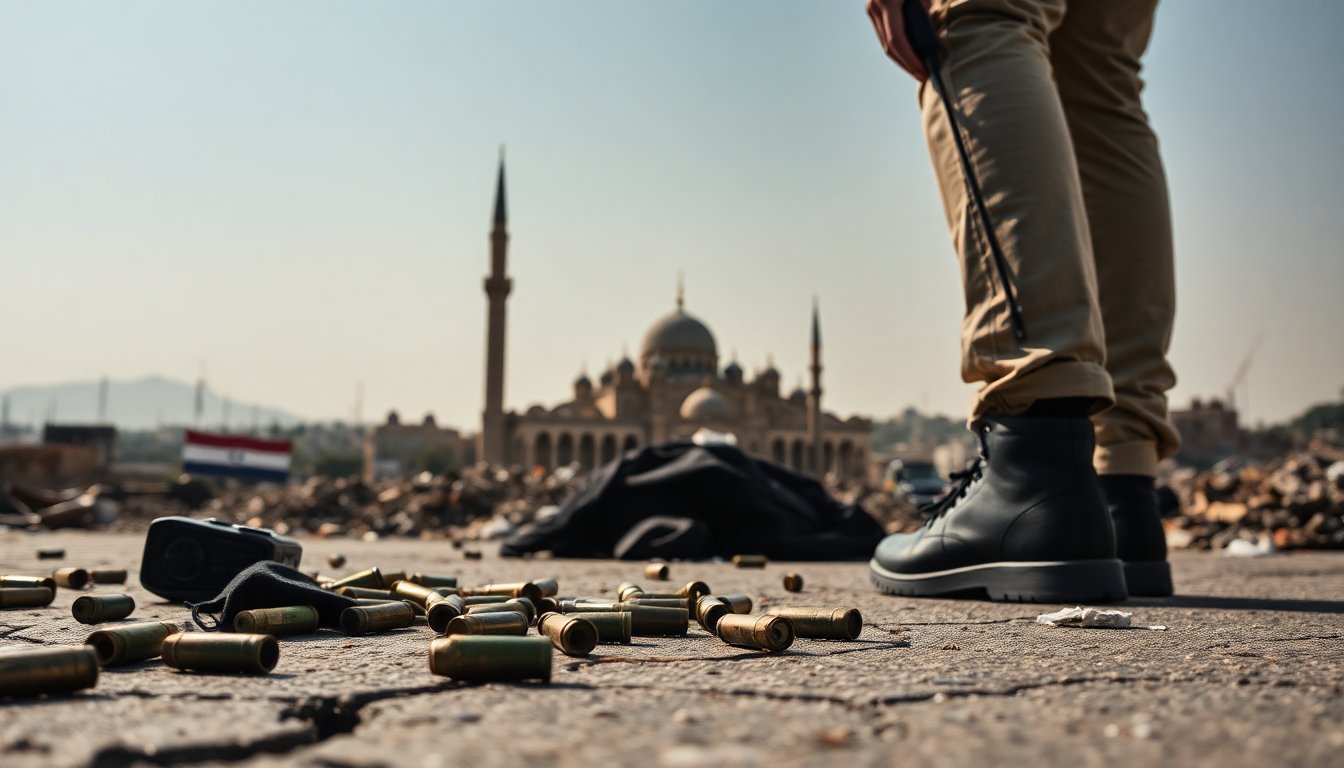
Can outside force spark lasting political change? Recent U.S. and Israeli strikes, coupled with President Trump’s public appeals to Iranians, have revived that old, urgent question. The assassination of a powerful leader—real or reported—intensifies talk of regime change. But history repeatedly shows that removing one person rarely rewrites a political system built over decades.
Why a fallen leader rarely equals lasting reform
Ideologies, patronage webs and security institutions aren’t loose threads that come apart when a ruler is gone. They form a dense fabric that sustains regimes. When the top figure falls, competing factions scramble for advantage, security forces focus on survival, and social movements often splinter under conflicting promises. In short: ousting a leader can open a window of opportunity, but it doesn’t hand reformers a blueprint for what comes next.
What force can—and cannot—do
Military pressure can secure immediate, tactical gains: territory taken, a leader removed, an armed group disrupted. But durable political settlements emerge from negotiation, compromise and institution‑building—not from bombs. Too often, the aftermath of coercion looks like fragmentation: rival militias, fragile civil administrations, surges in violence and protracted instability rather than orderly transitions.
Costs also pile up beyond the battlefield: reconstruction bills, refugee flows, and long-term security commitments can overwhelm initial victories. Short-term control sometimes coincides with long-term declines in governance and public trust. Force may clear space, but it won’t draw the map for what follows.
From removal to reconstruction: what really matters
Rebuilding a polity is different from eliminating a leader. Security operations can interrupt hostile networks, but reconstruction demands steady civil administration, security‑sector reforms, consistent public services and political legitimacy. Those require time, resources and buy‑in from local actors—things external military power rarely provides on its own.
Sequencing is crucial. Security gains must be paired quickly with governance and service delivery. Outsiders can catalyze change, but they cannot substitute for locally owned political bargains. Success should be judged by state capacity and visible improvements in people’s lives, not by how many strikes were launched.
Practical priorities drawn from past interventions
Experience points to a few straightforward priorities that make transitions less likely to collapse into chaos:
- – Restore basic services and fight corruption first. Reliable healthcare, electricity and law enforcement rebuild daily confidence in institutions.
- Map local power networks before removing key figures. Know who stands to fill vacuums and how they link to regional patrons.
- Anticipate proxy dynamics and regional spillovers. Neighbors often shape outcomes as much as intervening powers.
- Design contingency plans for competing armed groups and political spoilers.
- Pilot reforms, measure results, and scale what works—use metrics that track political participation, security incidents, service coverage and institutional capacity.
Elements of a credible exit strategy
A viable exit connects military aims with a locally owned political transition. Core components include:
- – Local legitimacy: strengthen municipal councils, civil society and professional bureaucracies, rather than propping up a narrow cast of national leaders.
- Phased security transfer: move responsibility gradually to vetted local forces with real oversight and accountability.
- Rapid, visible service delivery: prioritize everyday needs over headline-grabbing national projects.
- Inclusive politics: create room for marginalized groups and rivals to participate, reducing the lure of spoilers.
- Regional diplomacy: coordinate with neighbors and regional organizations to deter external support for violence.
Concrete institutional measures help too: transparent mechanisms for distributing revenue and aid, early autonomy for functioning municipal governments and independent monitors, negotiated power‑sharing with tangible reductions in repression and economic relief, and diplomatic incentives that discourage external meddling.
A final word
Removing an autocrat can be a necessary step for change, but it is almost never sufficient. Lasting transformation springs from broad internal consensus, incentives that tie elites to inclusive politics, and functioning institutions that deliver for citizens. Force can open doors; whether a country walks through them depends on the political architecture that follows.