
Table of Contents
California health authorities have issued a critical warning about the foraging of wild mushrooms. This alert follows reports of several individuals, including children, suffering severe health complications from toxic mushrooms. Tragically, one adult has died from amatoxin poisoning, a serious condition that can lead to liver failure and other life-threatening issues.
The California Poison Control System has confirmed at least 21 poisoning cases, primarily linked to the Death Cap mushroom. This mushroom is particularly dangerous because it can be easily confused with safe, edible varieties, posing a significant risk to those foraging in the wild.
Identifying dangerous mushrooms
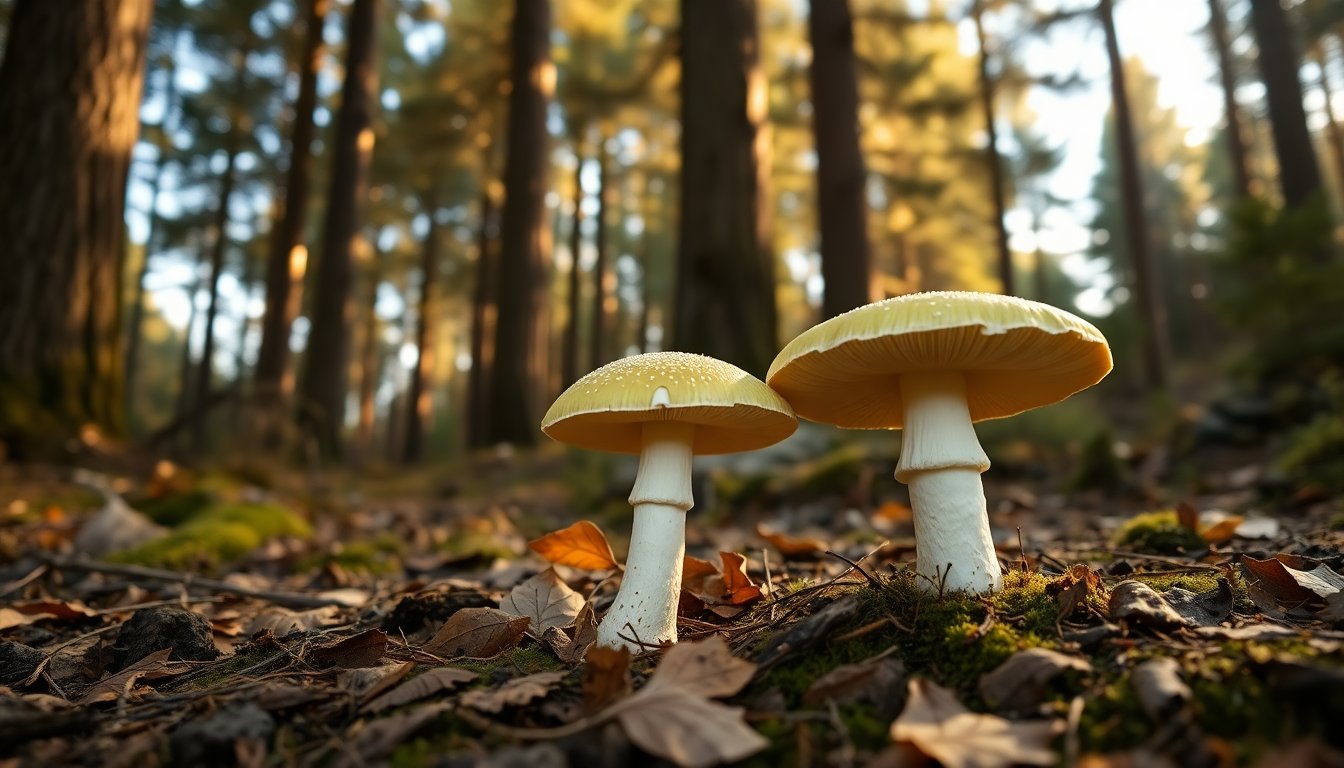
Two species have been identified as especially hazardous: the Death Cap and the Destroying Angel. Both fungi thrive in California’s ecosystems, especially during the rainy season from October to March. Erica Pan, director of the California Department of Public Health, has stressed the importance of public awareness, stating, “The Death Cap mushrooms contain lethal toxins that can cause liver failure. We strongly advise against foraging for wild mushrooms during this high-risk season.”
Symptoms of mushroom poisoning
Symptoms of mushroom poisoning can vary from mild gastrointestinal discomfort to severe organ damage. Common signs include nausea, diarrhea, and intense abdominal pain. In some instances, individuals may not exhibit severe symptoms immediately after ingestion, leading to a false sense of security. However, complications, particularly concerning liver function, can develop later, resulting in serious health consequences.
Affected individuals may require extensive medical intervention, including potential liver transplants if damage is severe. Therefore, it is crucial for foragers to understand the risks associated with mushroom picking and the importance of accurate identification.
The risks of foraging in California
California’s diverse fungus population includes many safe-to-eat varieties, but confusion with poisonous types is common. Health officials report hundreds of poisoning incidents annually, with children being particularly vulnerable. The National Poison Data System indicated that nearly half of the 4,500 mushroom poisoning cases recorded in the U.S. during involved children who may unknowingly consume toxic mushrooms while playing outdoors.
Best practices for avoiding mushroom poisoning
In light of the alarming increase in mushroom poisonings, experts recommend several best practices for anyone considering foraging. First, refrain from picking and eating any wild mushrooms unless accompanied by a knowledgeable expert or after receiving proper training in mycology. Furthermore, even if mushrooms appear safe, do not consume them unless their identity has been positively confirmed.
With California’s rainy season bringing forth an abundance of wild mushrooms, the temptation to forage increases. However, the risks associated with consuming toxic mushrooms far outweigh any potential benefits. Health officials urge the public to prioritize safety and avoid foraging altogether during this heightened risk period.
It is essential to remember that the consequences of mushroom poisoning can be severe and sometimes fatal. Being cautious and well-informed is the best defense against the dangers posed by wild mushrooms.