
Table of Contents
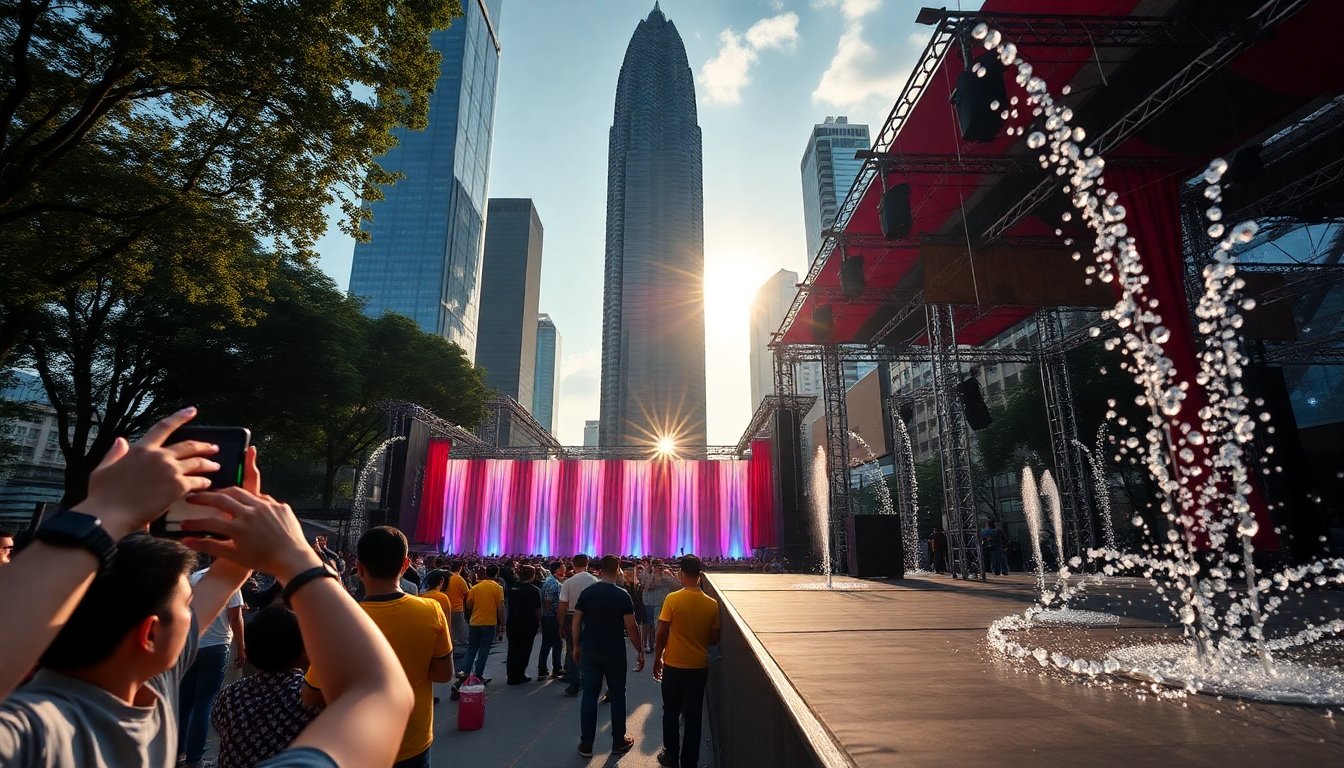
The anticipation for the upcomingWater Musical Festivalin Bukit Bintang, Kuala Lumpur, is building ahead of its scheduled dates from May 1 to May 4. This festival is part of the broaderVisit Malaysia campaign, aimed at boosting tourism and celebrating cultural diversity. However, the event faces criticism, particularly from the Pan-Malaysian Islamic Party (PAS), which has raised concerns about its format and potential effects on local communities.
The facts
Mohamed Sukri Omar, the Youth Chief of Selangor PAS, has been outspoken in his opposition. He argues that the festival encouragesfree mixingin public spaces, which he believes contradicts the values and decorum expected in a multicultural society like Malaysia. Omar contends that the festival’s implications for social harmony and local cultural sensitivities warrant serious reconsideration.
Reactions
This criticism highlights a broader debate about cultural events in Malaysia and their impact on community values. As the festival approaches, it remains to be seen how organizers will address these concerns and whether any changes will be made to the event’s format.
Impact on local businesses and urban movement
With the festival set to close several major roads in a bustling area, Sukri has raised alarms about potential disruptions to urban life. He emphasizes that the heart of Bukit Bintang is not only acommercial hubbut also a critical transit point for many residents and visitors. The street closures could adversely affect small businesses, public safety, and the
The clash of values
Sukri’s objections extend beyond logistical concerns. He stresses the need for events to reflect the nation’s identity rather than emulate foreign festival models. He argues that tourism should not solely focus on entertainment but also prioritize sustainability and the well-being of the community. This perspective invites a broader discussion about what constitutes responsible tourism in a diverse society.
The facts
Sukri Omar, the Youth Chief of Selangor, has called on the Ministry of Tourism, Arts and Culture (MOTAC) to reassess the Water Musical Festival. He advocates for reconsidering the festival’s location and scale, emphasizing the need to engage with local stakeholders, including residents and traders. Sukri believes the festival should highlight Malaysia’s cultural identity and heritage, stating, “Events that celebrate our rich traditions should take precedence over those that may lead to unrest or discomfort.”
Broader implications for cultural identity
The controversy surrounding the festival raises significant questions about how Malaysia navigates its identity as a multiracial nation. Sukri’s call for a reassessment resonates with those who argue that the country’s cultural narrative should be preserved through events that showcase local heritage rather than adopting external styles that may not align with the local context. This perspective invites a broader discussion about what constitutes responsible tourism in a diverse society.
As Malaysia prepares to welcome tourists from around the world, the emphasis on showcasingcultural heritageand historical significance could redefine not only how the nation is perceived but also how it celebrates its diversity. Sukri’s protests highlight the ongoing balancing act between promoting tourism and maintaining respect for local customs and traditions.
The facts
The upcoming Water Musical Festival is positioned as a celebration that intertwines music and water. It reflects Malaysia’s ongoing dialogue about identity, community values, and the challenges posed by modernity. Sukri Omar, the Youth Chief of Selangor, has raised concerns regarding the festival, urging the Ministry of Tourism, Arts and Culture to reassess its implications for local traditions.
The consequences
With voices like that of PAS advocating for caution, the festival could represent a pivotal moment in how cultural events are organized in Malaysia. This event may shape future planning processes, ensuring they resonate with the values of the Malaysian populace. The discourse surrounding the festival emphasizes the need for responsible tourism that respects and honors the country’s diverse cultural landscape.