
Table of Contents
The Dutch photographer Dana Lixenberg has spent decades in the United States making images that quietly insist we look more closely. Working with a 4×5-inch view camera, she pares away context to let faces and gestures reveal a more complicated story about nationhood, fame and social invisibility. The show American Images collects more than thirty years of this investigation, bringing together celebrity portraits, long-term documentary series and video work at the Maison Européenne de la Photographie in Paris, on view until 24 May 2026. In each frame Lixenberg asks viewers to confront what they may have been taught to ignore.
Lixenberg’s practice rests on two linked ideas: that a single portrait can shift public perception, and that attention sustained over time can alter what is assumed to be true. Her frames include high-profile sitters—like Tupac Shakur, photographed in 1993, and an early portrait of Donald Trump from 1998—alongside prolonged engagements in places often dismissed by the media. This balance exposes both how celebrity creates myths and how ordinary lives hold dignity when treated with care. The resulting work functions as a mirror: sometimes flattering, more often arresting.
The camera as a method
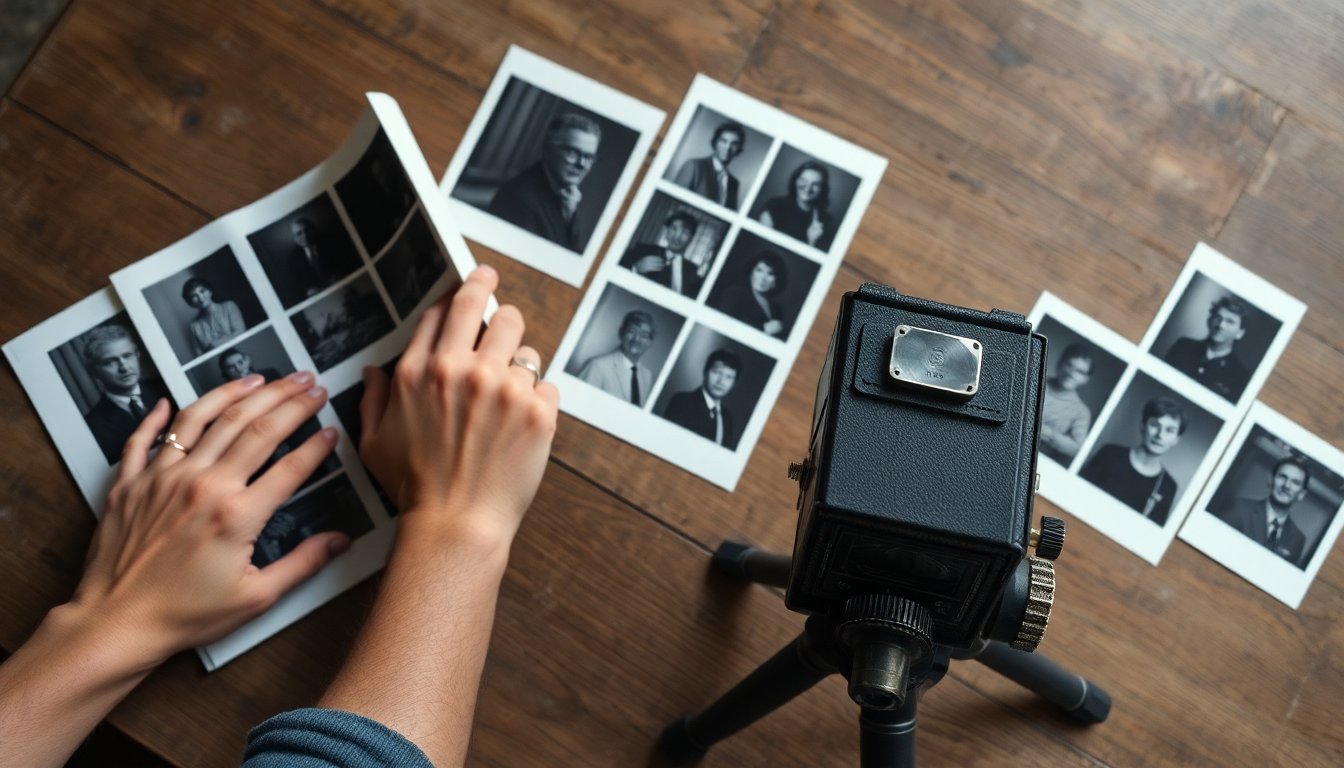
Lixenberg’s choice of tools and timing matters. Using the view camera forces a deliberate pace, and the resulting images carry the imprint of slow making: composed, patient and intimate. This method enables a clarity that challenges stereotypes. By isolating subjects against minimal backgrounds, she foregrounds expression and presence instead of environment or headline narratives. The technical restraint—large-format negatives, slow encounters, occasional polaroids—becomes a strategy for empathy. It is a way to reverse the quick judgments of tabloid imagery and social feeds, asking viewers to register the human subject beneath popular caricature.
Long-form projects and communities
Two extended series stand at the heart of Lixenberg’s American work: a portrait project inside a Los Angeles housing development and a series documenting people seeking shelter in the Midwest. After the 1992 unrest in Los Angeles she began to photograph residents at Imperial Courts, creating an archive that resists one-dimensional portrayals of poverty and criminality. Across many encounters, the images accumulate nuance, letting charisma, vulnerability and routine appear without sensationalism. Similarly, in Jeffersonville, Indiana, her collaboration with Haven House Services tracked people moving through housing instability, translating fragile moments into images that insist on recognition rather than dismissal.
Imperial Courts: presence over headline
The Imperial Courts series also exists as video work and longer screenings—an example of how Lixenberg blends media to attend to rhythm and voice. The three-channel installation of Imperial Courts expands the photographic encounter into time-based testimony, letting subjects speak and inhabit space beyond a single frame. This approach underlines her belief in the political power of portraiture: sustained attention can humanize people whom society has crowded to the margins and can, by extension, reveal systemic patterns rather than isolated incidents.
Midwest encounters and solidarity
Her Jeffersonville work records the quotidian strategies of people navigating homelessness and institutional gaps. These images show the texture of lives that rarely register in mainstream coverage. Lixenberg positions the camera to record presence and resilience; in doing so she nudges audiences toward a broader empathy. The combination of extended fieldwork and formal restraint lets these portraits function as testimony—carefully made evidence that complicates easy narratives about poverty and personal responsibility.
Celebrity, accountability and portrait ethics
Alongside community-focused work, Lixenberg’s portraits of well-known figures have acquired new resonances as public histories shifted. Images of individuals such as P Diddy, R Kelly and Harvey Weinstein now sit beside stories that were not yet public when they were made, and that latency highlights how portraiture can outlast reputation. Lixenberg insists on a consistent ethic: she treats each person with formal respect, even when she disagrees with their beliefs or finds them objectionable. Whether photographing a celebrity or someone who holds hostile political views, she aims to capture a person’s reality so the sitter can recognise themselves in the photograph.
A portrait of a nation
What emerges from Lixenberg’s collection is less a catalog of scandals and more a layered portrait of the United States: its inequities, its idolatries and its ordinary humanity. By juxtaposing figures of renown with long-term studies of communities, American Images reveals how fame and social structures interact. The work proposes that no image is neutral and that photography—if practiced with attention—can unsettle accepted stories, reveal overlooked truths and prompt a more complex conversation about power, dignity and the limits of myth.