
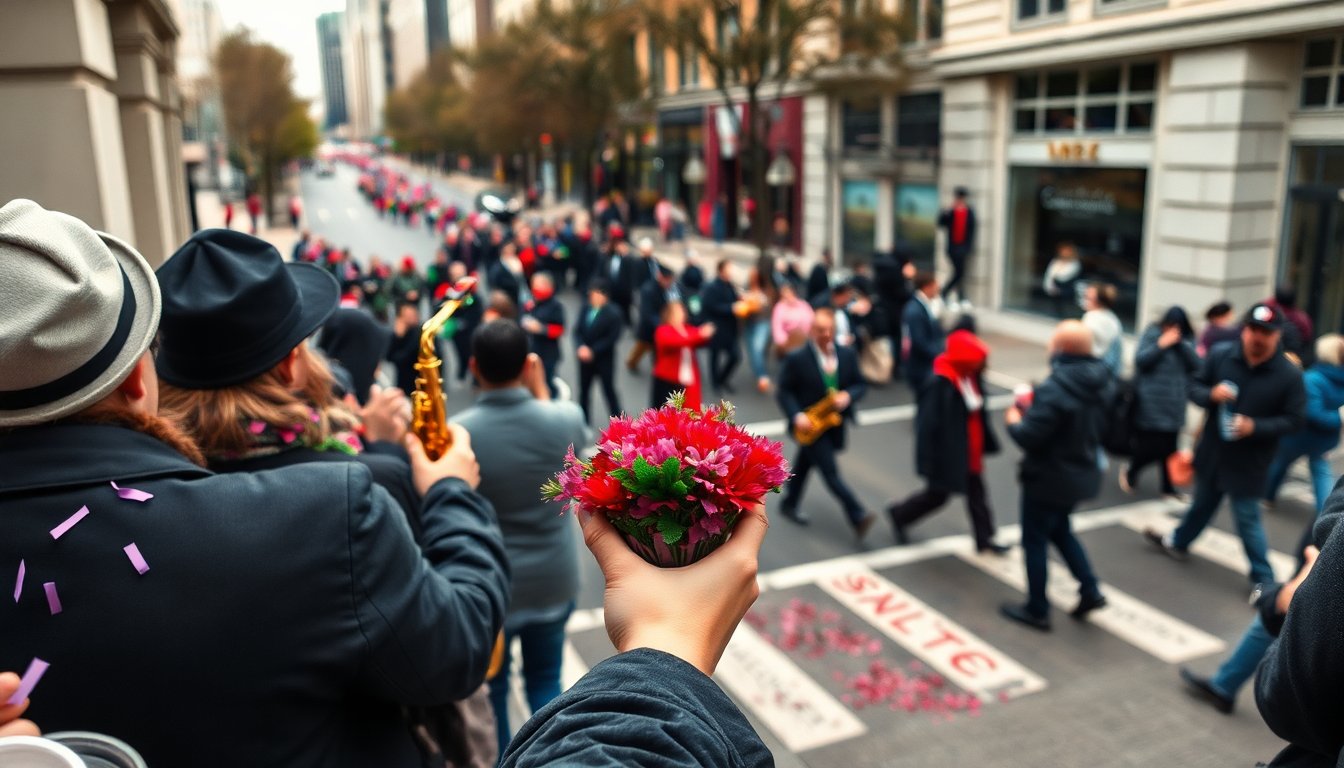
Washington, D.C. is gearing up for an unusually crowded weekend as Mardi Gras, Valentine’s Day and Presidents’ Day all land at once. The city will hum with parades, concerts, parties and civic activity, from cozy neighborhood gatherings to big street spectacles. That convergence reshapes the usual weekend flow—more people in public spaces, more things to do, and a few temporary hassles to plan around.
What follows is a practical guide for residents and visitors: where to watch, which indoor options to pick if you want a break from the crowds, and how volunteers collecting petition signatures can navigate the festival atmosphere. Read on for tips that will help you enjoy the weekend and avoid surprises.
Street celebrations and public festivities
– Where the action will be: Expect clusters of activity along corridors such as H Street NE, where parades and pop-up performances create a continuous pedestrian scene. Think brass bands, colorful costumes, food tents and a carnival vibe that invites casual strolling.
– Family-friendly elements: Many processions include children’s programming, hands-on crafts and designated family viewing areas set apart from denser foot traffic.
– What to expect while watching: Primary viewing spots follow the approved parade routes and closed intersections—these spots usually offer the clearest sightlines and managed access for vendors and emergency services. Arrive early to claim a good spot, use designated family areas for small kids, and pay attention to signage for first-aid and security.
– Logistics and transit: Road closures will shift pickup/drop-off and transit-stop locations. Plan your last-mile travel ahead of time and check official transit apps for real-time updates. Vendors will be concentrated near main intersections and may accept a mix of cash and cards.
– For organizers and nearby businesses: Clear, timely communication about access points, emergency procedures and waste management makes a big difference. Coordinate with city agencies to reduce friction and avoid on-site restrictions or fines. Residents should expect temporary access changes and some extra noise; advance notice is the simplest way to limit frustration.
Indoor alternatives: live shows and theatre picks
– Why choose a show: If crowds or chilly weather aren’t your thing, theatres and music halls offer a warm, comfortable alternative with better acoustics and seating. Local venues are programming a wide range—indie, folk, jazz, comedy and curated series—so there’s something for most tastes.
– How to pick a performance: Base your choice on genre, atmosphere and ticketing. Singer-songwriter evenings or acoustic nights suit those seeking intimacy; indie or rock shows work for a livelier night. Many venues list family-friendly performances and student discounts—book early where you can.
– Practical tips for concertgoers: Bring digital tickets to speed entry, locate the nearest exits when you arrive, and pack ear protection if the lineup includes amplified acts. Check venue accessibility information and age policies before you buy.
– Safety and compliance: Venues must keep exits clear and post safety signage. Follow stewards’ directions and posted capacity limits—these rules protect everyone and keep events running smoothly.
Civic engagement at Mardi Gras: petitioning on H Street
– The effort: Volunteers will be collecting signatures during the festival to place a local candidate on the primary ballot; the campaign is aiming for about 4,000 valid names. The lively street setting can be a productive place for petition drives, provided volunteers follow rules and respect festival flow.
– Volunteer essentials: – Who: Trained volunteers and registered voters staff tables and canvass stations. – What to collect: Legible signatures from registered voters that match voter-roll records, plus any required supplemental details. – Where to work: Designated festival areas on H Street—stay outside restricted zones and follow stewards’ guidance. – How to do it: Use clear handwriting, complete all required fields, verify registration when possible, secure completed sheets, and hand them to campaign staff promptly. – Why it matters: Valid signatures determine ballot access; proper collection procedures are crucial to avoid disqualification.
– Practical precautions: Carry photo ID, wear visible volunteer badges, and keep a copy of petition-handling instructions. Don’t block traffic or emergency routes; report disputes or safety concerns to organizers right away.
– For campaigns and organizations: Appoint trained supervisors, document chain of custody for petition sheets, and coordinate with festival management and election officials to ensure compliance.
– Non-resident canvassers: Check local election board rules before participating—some places require pre-registration or forms filed in person. Following local rules prevents invalidation of signatures or administrative penalties.
Quick checklist for the weekend
– If you plan to attend a parade: arrive early, dress for the weather, bring water and snacks, and pick a clear meeting spot like a nearby cafe or bookstore.
– If you’re going to a show: buy or reserve tickets in advance, bring digital proof, and note accessibility options.
– If you’ll volunteer: bring photo ID, follow petition protocols, and stay out of restricted zones.
– For everyone: keep your phone charged, use official transit and city advisories for updates, and be ready for short-term street closures and noise.
Washington will be lively and full of overlapping experiences this weekend—culture and civic life rubbing elbows in a way that makes the city feel particularly animated. With a little planning and some basic courtesy, you can make the most of it.