
Table of Contents
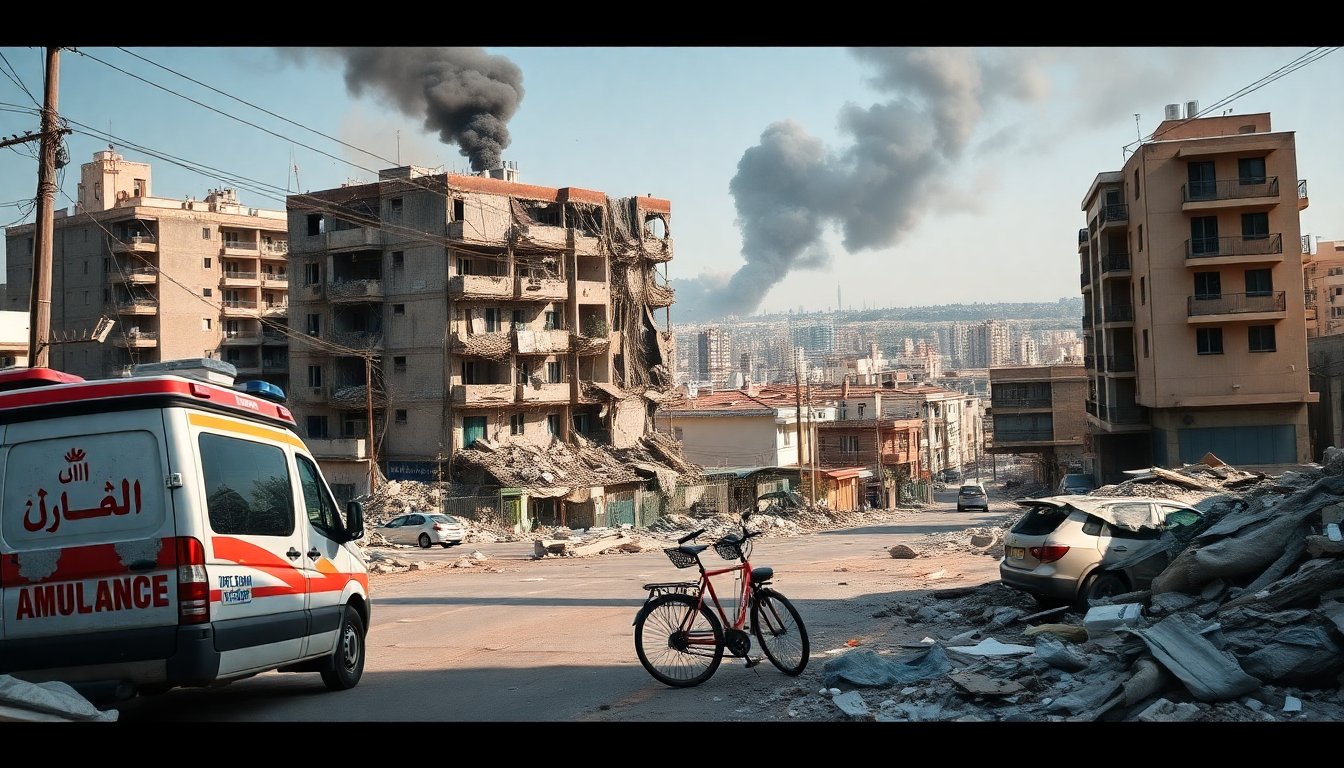
The recent surge of violence across Lebanon began when the Iran-aligned group Hezbollah launched rockets and drones toward northern Israel in a declared response to the killing of Iran’s Supreme Leader, Ayatollah Ali Khamenei. Israeli forces answered with sustained air strikes on multiple Lebanese locations, including southern suburbs of Beirut, southern towns and the Bekaa Valley. Reports from local authorities and international outlets indicate that the campaign has killed more than fifty people across Lebanon, while injury counts and precise totals differ between sources.
Eyewitnesses and displaced families described chaotic night departures from their neighbourhoods, with roads clogged, cars abandoned and people seeking shelter in schools and makeshift reception centres. The violence triggered evacuation advisories for dozens of villages and recalls previous waves of conflict that led to mass displacement and severe damage to civilian infrastructure. Authorities and international actors are now warning that the confrontation could widen into a broader regional clash involving multiple state and non-state actors.
What happened: sequence of strikes and responses
According to statements and media reporting, the escalation unfolded after an Iranian city was struck, killing Iran’s supreme leader; Hezbollah said it retaliated by targeting a military site near Haifa with a combination of rockets and drones. Israel then carried out air raids on Beirut’s southern suburbs, known collectively as Dahiyeh, and other parts of southern and eastern Lebanon. Different agencies reported varying casualty totals: one Lebanese state-run outlet recorded 31 deaths in the Beirut strikes, while the Lebanese Ministry of Public Health later cited at least 52 fatalities and 154 wounded across the country. The discrepancy reflects the fog of war and the fragmentation of reporting in active conflict zones.
Human impact and displacement
The strikes forced thousands to flee their homes amid loud detonations and drone overflights. Families crammed into schoolyards and temporary shelter points, describing fear, exhaustion and uncertainty. Many residents compared the scenes to earlier periods of heavy fighting when mass displacement occurred in a single day. Local accounts emphasise not only the immediate toll in lives and injuries but also the strain on Lebanon’s already fragile systems: healthcare facilities treating the wounded, overwhelmed municipal services, and economic disruption in areas that have been coping with years of crisis.
Voices from the ground
Displaced civilians gave differing perspectives on responsibility and protection. Some blamed the Lebanese armed group for inviting retaliation and endangering communities; others held Israel solely responsible for what they described as disproportionate and punitive attacks on densely populated areas. Humanitarian sources reported that some relief support came from non-state actors, while authorities listed a number of schools opening as reception centres, highlighting immediate coping measures amid limited resources.
Political and military repercussions
The confrontation marks a significant escalation in a broader regional struggle that pits Israel and the United States against Iran and allied groups. Israel’s defence officials announced they targeted what they described as senior Hezbollah operatives, and issued evacuation notices across more than 50 Lebanese towns and villages, instructing residents to move away from certain areas. Beirut’s government moved to distance state authority from militia action by outlawing Hezbollah’s security and military activities and ordering arrests of those who fired cross-border rockets—measures that underscore the fragile divide between state institutions and powerful armed actors inside Lebanon.
Strategic implications
Analysts warn the strike-and-counterstrike pattern could deepen Lebanese instability and increase the risk of wider regional engagement. Hezbollah’s role as a central Iranian proxy in the so-called axis of resistance means any significant damage to its capacity or leadership could prompt further reprisals. Conversely, Israeli operations inside Lebanese population centres raise questions about proportionality, civilian protection and the possibility of a larger conflagration drawing in regional partners.
Outlook and international response
Diplomatic channels are under strain as Lebanon’s government appeals for pressure on Israel to halt incursions, while other states weigh responses to the cross-border attacks. With schools and hospitals treating casualties and thousands displaced, humanitarian organisations are calling for immediate access to affected communities. The situation remains fluid: casualty figures, claims of responsibility and military objectives are likely to change as more verified information emerges. Observers say focused de-escalation measures are needed to prevent the conflict from widening further across the region.
For now, the immediate priorities are care for the wounded, shelter for those displaced and clear, verified reporting on the evolving death toll and damage. The recent cycle of strikes is a stark reminder of how quickly localized hostilities can spiral into broader confrontations with far-reaching consequences for civilians and regional stability.