
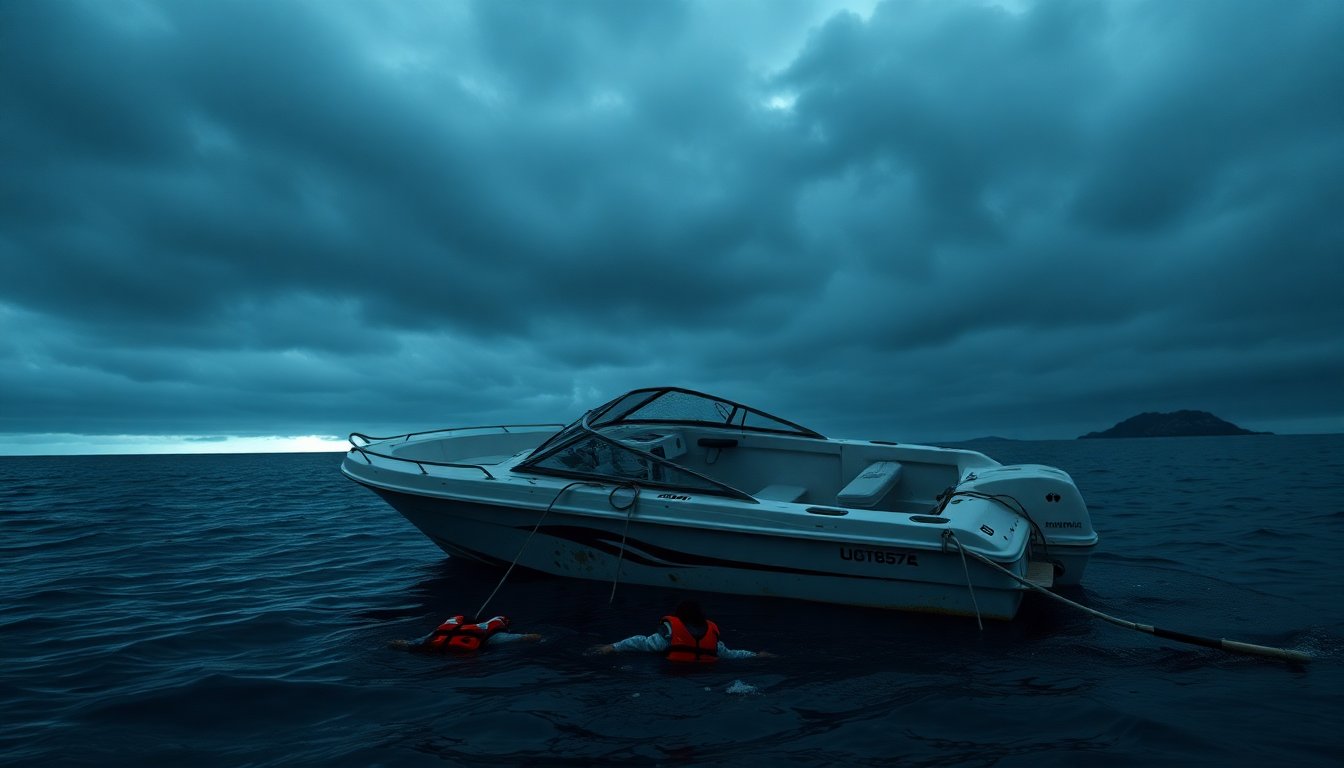
In the early hours of Feb. 26, 2026, Cuban coast guard units intercepted a Florida-registered speedboat near Cayo Falcones, in Villa Clara province. The brief encounter turned violent: Cuban authorities say shots were exchanged, leaving four people dead and six wounded out of ten aboard. Havana describes the incident as a thwarted, armed intrusion; families and U.S.-based contacts insist the men were poorly trained activists, not seasoned operatives. The clash has already heightened tensions between Cuba and Washington and set off multiple investigations on both sides.
Cuban state media and the Interior Ministry say the vessel—registration FL7726SH—entered Cuban territorial waters without permission. Officials claim patrols warned the boat to stop and that, when the warnings were ignored, an exchange of gunfire followed. Cuban authorities report recovering assault rifles, pistols, explosives, ballistic vests and optical sights, and have framed the operation as a defensive response to an attempted act of terrorism.
Relatives and local sources in the United States tell a different story. They portray the passengers as émigrés driven by anti-government sentiment but lacking formal military training. Some family members describe long-time exiles with political grievances rather than hardened fighters. U.S. law enforcement and federal agencies have opened inquiries to identify the men, trace evidence and determine whether any U.S. links exist.
Reporters who inspected the scene confirmed the Florida registration and say investigators are cataloguing seized items, interviewing witnesses and reconstructing the boat’s route. Cuban officials have identified seven of the ten occupants and arrested at least one person accused of helping with logistics. Meanwhile, families continue to press for transparent, independent verification of the government’s claims.
Both sides have leveled accusations that remain subject to outside confirmation. Havana alleges some passengers had criminal records or ties to violent plots; community leaders and relatives flatly dispute those assertions, calling instead for evidence-based probes and independent scrutiny.
Washington has signaled it wants answers. Vice President J.D. Vance and Secretary of State Marco Rubio said U.S. officials are monitoring developments and will review findings before deciding on any diplomatic or legal steps, while stressing the U.S. government denies involvement in any covert operation tied to the case. In Florida, State Attorney James Uthmeier opened a local inquiry and pledged cooperation with federal investigators, focusing on chain-of-custody for evidence, passenger manifests and possible cross-border connections.
International reactions were mixed. Moscow publicly backed Cuba’s right to defend its waters, while other governments and human rights groups urged restraint and called for transparent, independent investigations. The incident reverberated through diaspora communities—some voices expressed outrage, others urged calm—underscoring how a single maritime episode can ignite broader political fault lines.
Forensic teams on both sides are expected to examine the vessel, weapons, travel records and communications. Authorities plan to interview detained suspects, analyze seized materials and share relevant findings through diplomatic and prosecutorial channels where appropriate. Officials caution, however, that no definitive conclusions should be drawn until forensic results and witness statements are verified.
Observers warn the clash could inflame an already fragile bilateral relationship if either government reacts impulsively. Diplomatic reprisals, changes in patrol patterns or escalatory rhetoric could deepen polarization in the region. For now, investigators on both shores are piecing together what happened at sea—hoping facts, not assumptions, will guide the next steps.