
Table of Contents
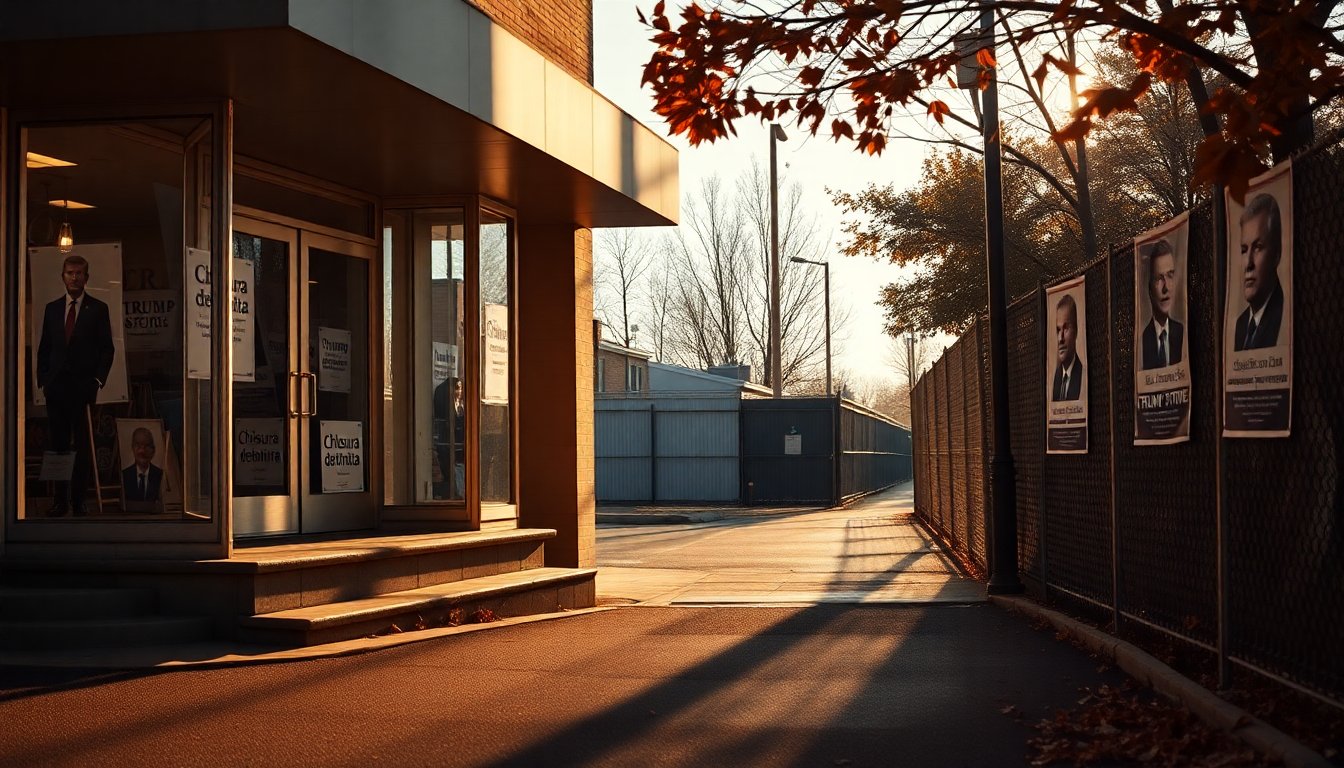
The Trump store in suburban Philadelphia, once a bustling hub for supporters during the 2026 electoral campaign, is set to close permanently. This decision follows a significant drop in sales, underscoring the effects of a cooling political climate and the lack of imminent elections that previously energized its operations.
The rise and fall of the Trump store
Initially, this store thrived as a gathering point for the MAGA community, attracting enthusiastic supporters eager to express their loyalty to the former president. It offered more than just merchandise; it functioned as a social center where like-minded individuals converged, exchanged ideas, and rallied for their cause. However, as political tensions eased and the enthusiasm surrounding election seasons waned, the store’s foot traffic began to dwindle.
Changing tides in political engagement
Following the recent elections, the political landscape has undergone a significant transformation. The once vibrant crowds that frequented the store have diminished, with many supporters seeking alternative paths for political involvement or withdrawing from active participation altogether. The store, previously emblematic of a fervent movement, now confronts the reality of reduced interest, highlighting the transient nature of political enthusiasm.
The implications of the closure
The decision to close the store extends beyond a mere business choice; it signals broader patterns in American political engagement. The noticeable decline in sales suggests a substantial decrease in grassroots support, which may have extensive implications for both the brand and its associated political ideology. For numerous supporters, the store represented a concrete manifestation of their political convictions, making its closure a significant moment of reflection.
The future of political merchandise
This situation raises significant questions regarding the trajectory of political merchandise. As political engagement becomes more polarized and fragmented, the demand for retail spaces dedicated to political merchandise may decline. Merchandising has traditionally played a crucial role in political campaigns, yet the viability of these retail outlets in a post-election environment is uncertain. The closure of the Trump store could serve as a cautionary tale for similar establishments nationwide.
The shuttering of the Philadelphia store highlights the evolving dynamics of political engagement and support. It illustrates that while political movements can initially create excitement and enthusiasm, that momentum can dissipate quickly, leaving behind vacant storefronts and a sense of nostalgia for earlier, more vibrant activism.