
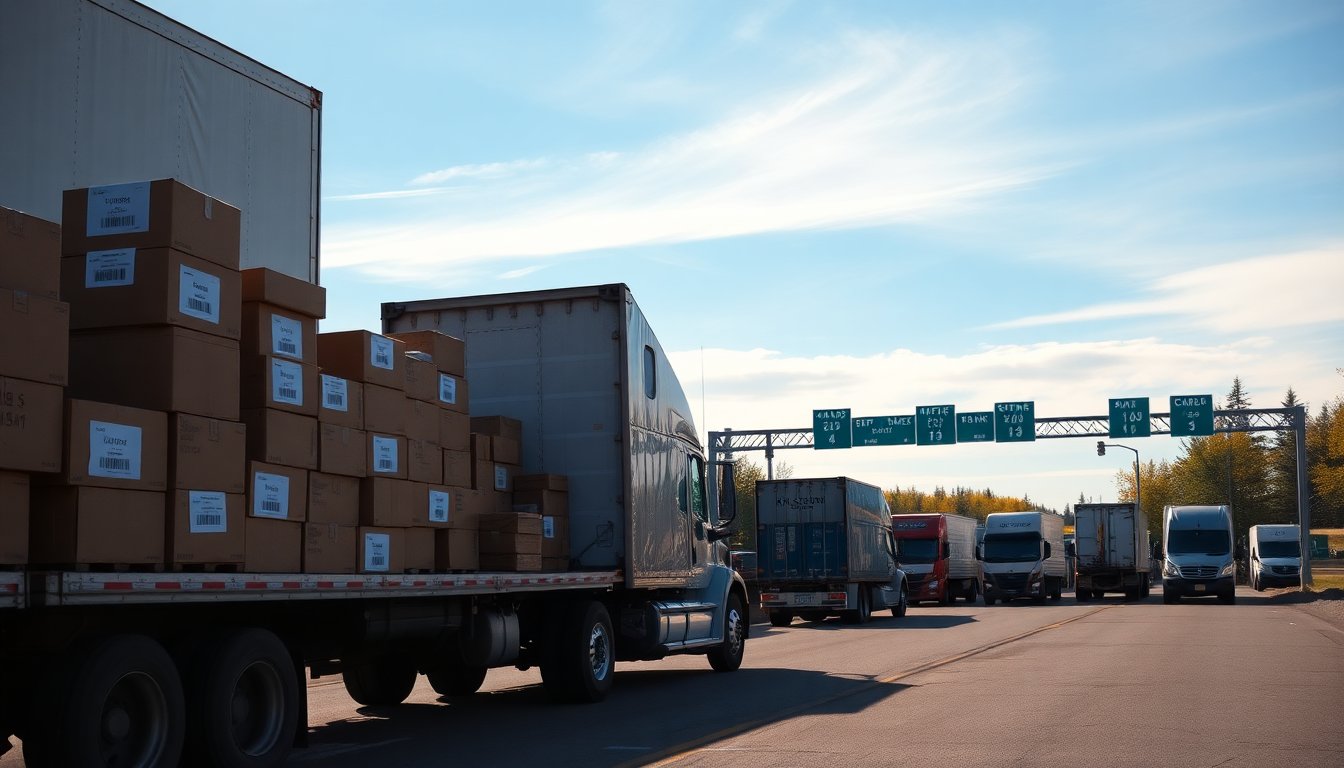
In a surprising announcement, U.S. President Donald Trump declared a 10 percent increase in tariffs on Canadian goods, a move that has sent shockwaves through the already delicate trade relations between the two neighboring countries. The proclamation was made through a post on his social media platform, raising questions about which specific goods would be affected and the timing of this significant change.
Nearly two days after Trump shared his decision online, Canadian officials remain uncertain regarding the details. The president’s statement, asserting, “I am increasing the Tariff on Canada by 10% over and above what they are paying now,” lacks clarity on the specific tariffs impacted and whether Canada has received any formal notification from the U.S. government.
The ad that triggered the tariff hike
During a flight aboard Air Force One, Trump was questioned about the expected implementation of the tariff increase. His response was vague, stating, “I don’t know when it’s going to kick in, and we’ll see, but I don’t really want to discuss it.” Instead, he focused on an advertisement from the Ontario government that he claimed prompted the breakdown of trade negotiations.
Misrepresentation of historical context
The advertisement referenced a 1987 radio address by former President Ronald Reagan advocating for free trade, which Trump criticized as misleading. He argued that the ad distorted Reagan’s pro-tariff stance, despite evidence showing that Reagan opposed tariffs on economic allies like Canada. Trump insisted, “Reagan liked tariffs, and [the Ontario government] totally changed that to say that he didn’t, because they’re catering to the Supreme Court.” This claim appears to misinterpret Reagan’s established views on international trade.
Frustration amidst trade negotiations
When asked why he would impose tariffs on Canada due to a provincial advertisement, Trump dismissed concerns, asserting that everyone was aware of the ad’s content, including Prime Minister Mark Carney. He remarked, “Canada has been ripping us off for a long time,” while expressing his affection for the Canadian people but criticizing their representation.
As tensions escalated, Democratic Senator criticized Trump’s decision as an “embarrassing temper tantrum,” highlighting the unpredictable nature of his administration’s trade policy. Despite both leaders being slated to attend the Asia-Pacific Economic Cooperation (APEC) summit in South Korea, Trump indicated that he had no intention of meeting with Carney, stating, “I’m very happy with the deal we have right now with Canada, and we’re going to let it run.” However, he failed to elaborate on the specifics of this deal.
Ongoing trade discussions
Interestingly, this abrupt tariff announcement came shortly after senior members of Trump’s administration were in discussions with Canadian representatives regarding potential tariff relief on steel and aluminum imports. It is unclear whether the advertisement alone prompted this drastic escalation in trade tensions, as the White House suggested that the ad is merely one instance of Canadian officials playing politics rather than engaging constructively.
Kevin Hassett, Director of the National Economic Council, noted that Trump’s decision to terminate negotiations reflects ongoing frustrations with Canadian representatives during months of discussions. Treasury Secretary Scott Bessent described the ad as “interference in U.S. sovereign matters” and labeled it as propaganda undermining the tariffs.
As the ramifications of Trump’s tariff announcement unfold, questions remain regarding which Canadian exports will be subjected to the increased duties. In response to inquiries about the specifics, Bessent evaded providing a direct answer, stating, “I’m sure he knows.” This lack of transparency only adds to the uncertainty surrounding the implications of the proposed tariff hike.
President Trump’s sudden decision to impose additional tariffs on Canada has sparked a complex web of political and economic ramifications. With ongoing trade negotiations seemingly derailed and a lack of clarity from the U.S. administration, both nations must navigate these turbulent waters carefully to avoid further straining their bilateral relationship.


