
Table of Contents
During a recent congressional session, US lawmakers expressed significant concerns regarding the Justice Department‘s handling of the Jeffrey Epstein case. The late financier’s extensive network of influential associates has come under heavy scrutiny. Accusations have emerged against Attorney General Pam Bondi for allegedly withholding crucial information. Congressman Thomas Massie is leading the charge for accountability, asserting that the public deserves to know the identities of these powerful figures.
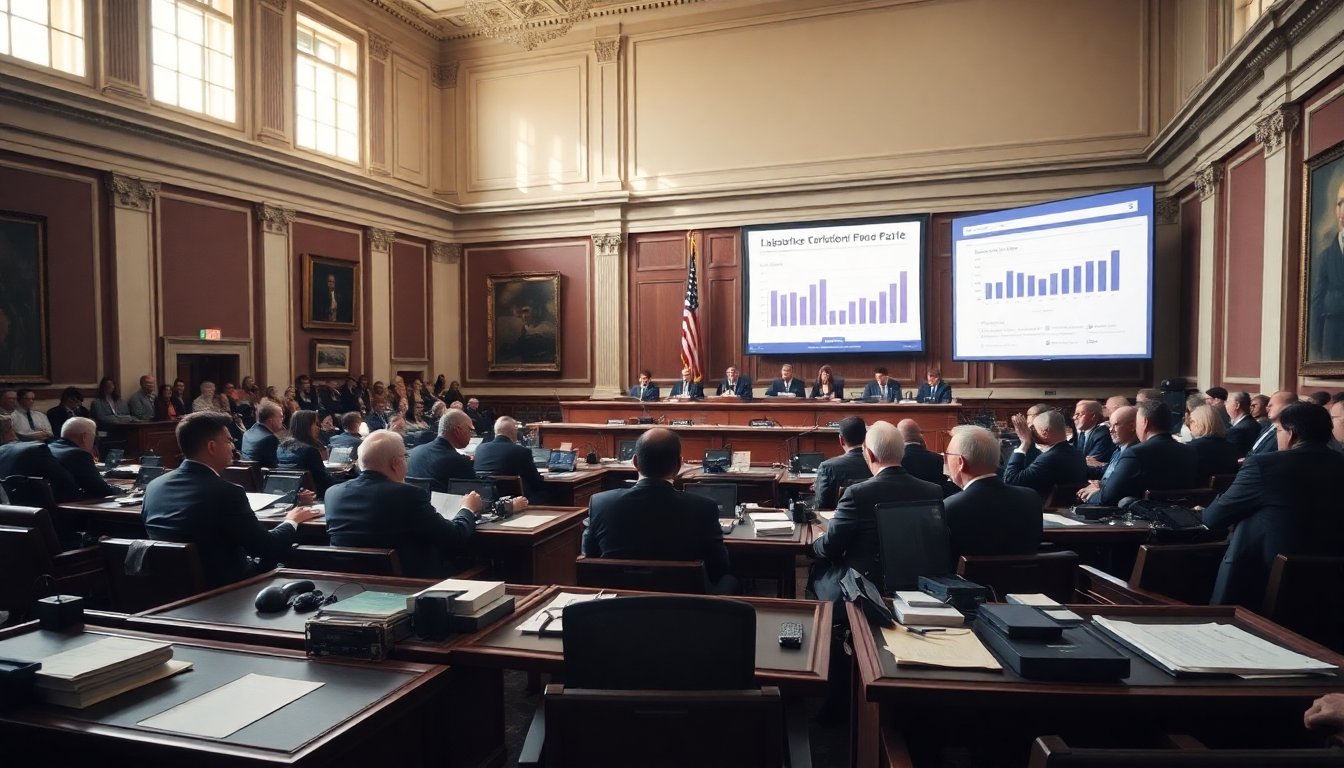
On February 9, the House of Representatives gathered to discuss the implications of the Epstein Files Transparency Act. This legislation mandates the release of documents related to Epstein’s criminal activities. However, concerns about excessive redaction have sparked debate among lawmakers and the public.
Redacted identities and the push for transparency
During the session, Congressman Ro Khanna revealed that he and Massie had reviewed previously redacted documents containing the names of six men linked to Epstein. Among these names was billionaire Leslie Wexner, whose identity had been concealed in the released files. Khanna emphasized the alarming extent to which the government may be shielding powerful individuals from scrutiny.
Khanna stated, “If we uncovered six names in just two hours of reviewing documents, one must wonder how many more names are hidden within the estimated 3 million files that remain to be released.” This observation underscores the urgent need for the Justice Department to reassess its approach to document transparency.
The response from the Justice Department
The Justice Department’s management of the Epstein files has faced considerable criticism, particularly regarding its decision to redact numerous names. A spokesperson defended these actions, stating that certain names were removed to protect personally identifiable information, specifically that of victims. Critics argue that this rationale is frequently misapplied, resulting in the concealment of individuals who should be held accountable.
Despite the release of millions of pages of documents, many believe that the extent of redactions is disproportionate. Khanna’s remarks highlighted apparent shortcomings within the Justice Department, emphasizing the need for a thorough examination of what information is being withheld and the reasons behind it.
Legislative actions and future implications
In response to the ongoing controversy, House Resolution 62 has been introduced, urging Attorney General Bondi to investigate those implicated in Epstein’s activities. This resolution not only acknowledges Congressman Massie’s efforts in securing the release of the Epstein files but also demands accountability for individuals potentially involved in criminal actions.
The bipartisan support for such legislative measures reflects a collective desire for justice and transparency regarding Epstein’s complex web of connections. By calling for the unredacted release of documents, lawmakers aim to illuminate the extent of Epstein’s influence and the individuals who may have facilitated his illicit activities.
Public reaction and advocacy efforts
The public’s response to revelations surrounding Epstein has been one of outrage and a demand for accountability. Advocacy groups have vocally criticized the Justice Department’s handling of the Epstein files, citing the potential risks posed to victims by poorly executed redactions. The release of documents that inadvertently revealed sensitive information has prompted calls for stricter oversight and improved protocols for managing such delicate materials.
The ongoing discussions in Congress reflect a broader societal push for transparency in high-profile cases involving powerful individuals. As the investigation into Epstein’s associates continues, the pressure on the Justice Department to adapt its practices and ensure thorough disclosures is likely to increase.