
Table of Contents
The recent announcement regarding President Trump’s interest in acquiring Greenland has generated significant concern in Denmark. Many citizens and officials express feelings of betrayal over the proposal. As a close ally of the United States in Europe, Denmark has a long history of collaboration, particularly in military engagements such as Iraq and Afghanistan. This unexpected suggestion raises questions about the future of Danish-American relations.
This article examines reactions from various Danish officials, the historical context of Denmark’s alliance with the U.S., and the broader implications of this unsolicited interest in Greenland.
The shock of the proposal
When President Trump expressed interest in purchasing Greenland, many in Denmark were taken aback. The concept of selling a part of Denmark, especially such a significant territory, felt unusual and offensive. Greenland is not merely a piece of real estate; it is a territory with cultural significance and a unique identity.
Danish Prime Minister Mette Frederiksen firmly rejected the proposal, stating that Greenland is not for sale. Her response highlights the strong connection many Danes feel toward the island, viewing Trump’s suggestion as a challenge to their sovereignty. This incident has sparked discussions on national pride and the implications of foreign interest in their territories.
A historical partnership
The relationship between Denmark and the United States has developed through years of mutual cooperation. Both nations have partnered in various conflicts, notably during the wars in Iraq and Afghanistan. This partnership is characterized by a shared commitment to democratic values and security.
However, Trump’s overtures toward Greenland raise questions about the future of this alliance. Many Danes worry that such a proposal undermines the mutual respect cultivated over decades. There is a growing fear that this incident may signal a shift in how the U.S. engages with its allies.
Implications for international relations
The fallout from Trump’s Greenland proposal extends beyond Denmark. It highlights a trend of nations grappling with the unpredictability of U.S. foreign policy under his administration. The idea of purchasing territory from an ally is unconventional and raises concerns about its implications for global diplomacy.
As Denmark navigates this unexpected challenge, it is crucial to consider how this situation may affect its relationships with other nations. Reactions from global leaders and their respective governments will be vital in determining the longevity and stability of alliances in a rapidly changing geopolitical landscape.
Public sentiment in Denmark
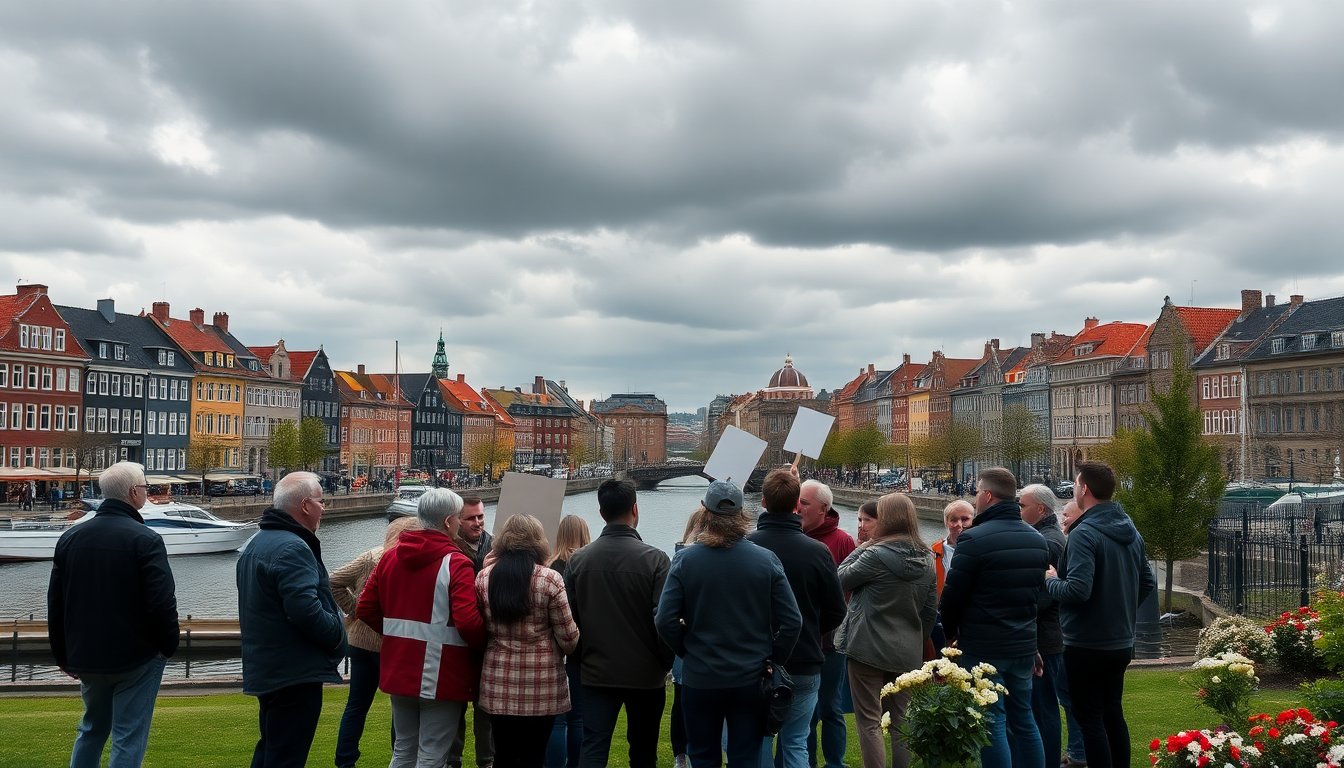
The public response in Denmark has been one of shock and disbelief. Many citizens have expressed their concerns on social media, with the hashtag #GreenlandIsNotForSale trending as a rallying cry for those advocating for Denmark’s territorial integrity.
This grassroots movement reflects a broader desire among Danes to assert their national identity and sovereignty. The discussions surrounding this issue have also highlighted the significance of Greenland in the context of climate change and resource management, emphasizing that the island is more than just a political pawn.
Moving forward
This article examines reactions from various Danish officials, the historical context of Denmark’s alliance with the U.S., and the broader implications of this unsolicited interest in Greenland.0
This article examines reactions from various Danish officials, the historical context of Denmark’s alliance with the U.S., and the broader implications of this unsolicited interest in Greenland.1
This article examines reactions from various Danish officials, the historical context of Denmark’s alliance with the U.S., and the broader implications of this unsolicited interest in Greenland.2