
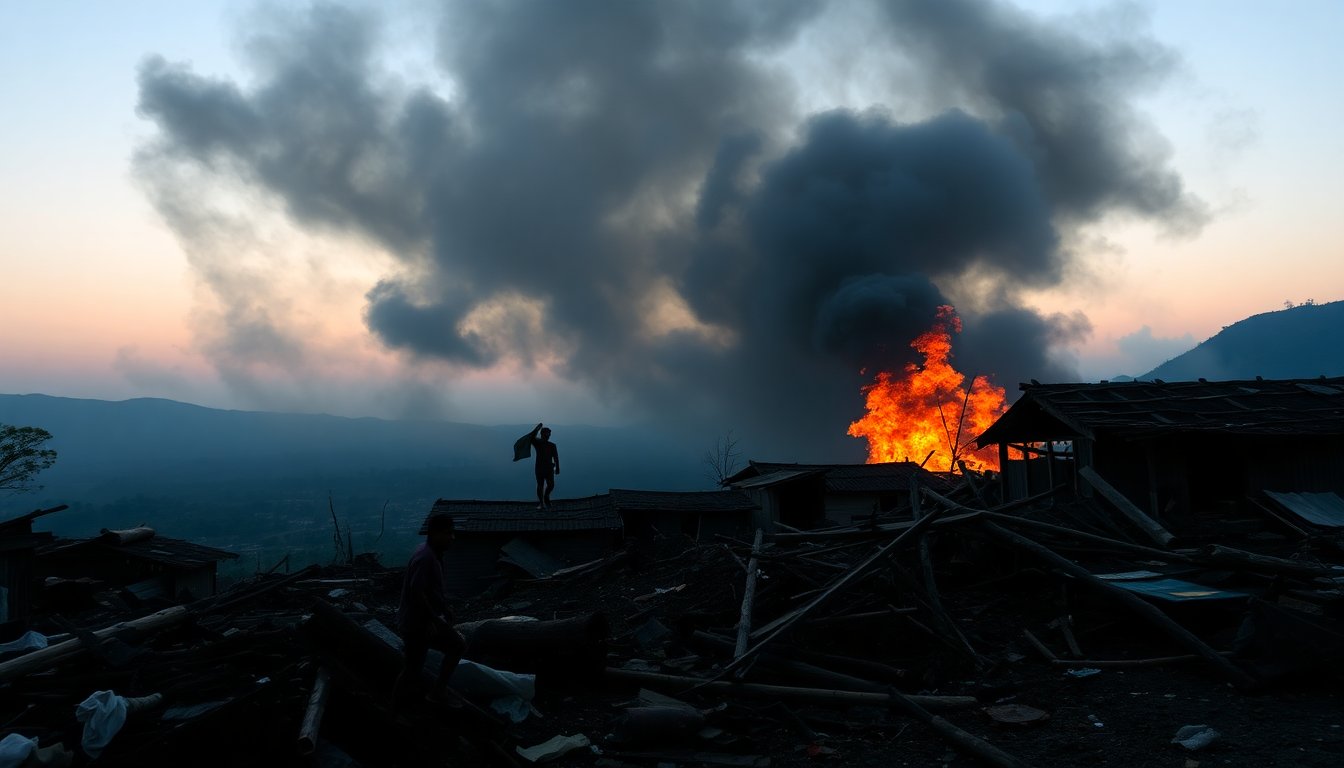
A massive fire has devastated a community in the Philippines, destroying over 1,500 homes. This incident highlights the vulnerability of lives and properties to natural disasters.
As thick smoke filled the air, residents rushed to salvage their belongings. The event has raised urgent questions about fire safety measures and the readiness of local authorities to handle emergencies.
The impact of the fire on the community
The fire not only destroyed homes but also eroded the sense of security among residents. With thousands left homeless, the immediate demand for shelter, food, and medical assistance has become urgent. Community leaders are working to mobilize resources for aid, but the extent of the destruction presents significant challenges.
Local government units, along with various non-governmental organizations, are actively assessing damage and developing a comprehensive recovery plan. Emergency shelters have been set up, but the long-term recovery will demand significant support and resources.
Challenges faced in disaster response
The recent fire incident underscores broader issues in disaster response in the Philippines, a country often impacted by natural disasters. Insufficient infrastructure and lack of preparedness can worsen the effects of such events, resulting in significant suffering and displacement.
This incident highlights significant concerns regarding the effectiveness of current fire safety regulations. Many homes in the affected regions were built with flammable materials, which fueled the fire’s rapid spread. There is a pressing need for stricter regulations to ensure that future buildings can better withstand such disasters.
International response and support initiatives
Following the disaster, international organizations have stepped in to provide assistance. Humanitarian aid groups are coordinating efforts to deliver essential supplies to those impacted, including food, water, and medical care. This underscores the vital importance of global solidarity during crises.
As the recovery process unfolds, strategic planning is essential for rebuilding the community. This effort includes not only restoring homes but also improving infrastructure to better withstand future disasters. Prioritizing community resilience is critical to mitigate the impact of similar events moving forward.
Long-term recovery plans
In the aftermath of this tragedy, it is crucial for both local and national governments to draw lessons. Establishing a strong disaster management framework can enhance response times and improve resource allocation during emergencies. Additionally, training local communities in emergency preparedness and response will empower them to act swiftly when faced with danger.
Promoting awareness of fire risks and safety practices is vital for prevention. Engaging residents in discussions about building materials and layout design can lead to neighborhoods that are less vulnerable to fire hazards.
The recent fire that destroyed over 1,500 homes in the Philippines highlights the pressing need for improved disaster preparedness and community education. Ongoing recovery efforts underscore the importance of fostering a culture of resilience and implementing proactive measures to safeguard lives and property in the future.


