
Table of Contents
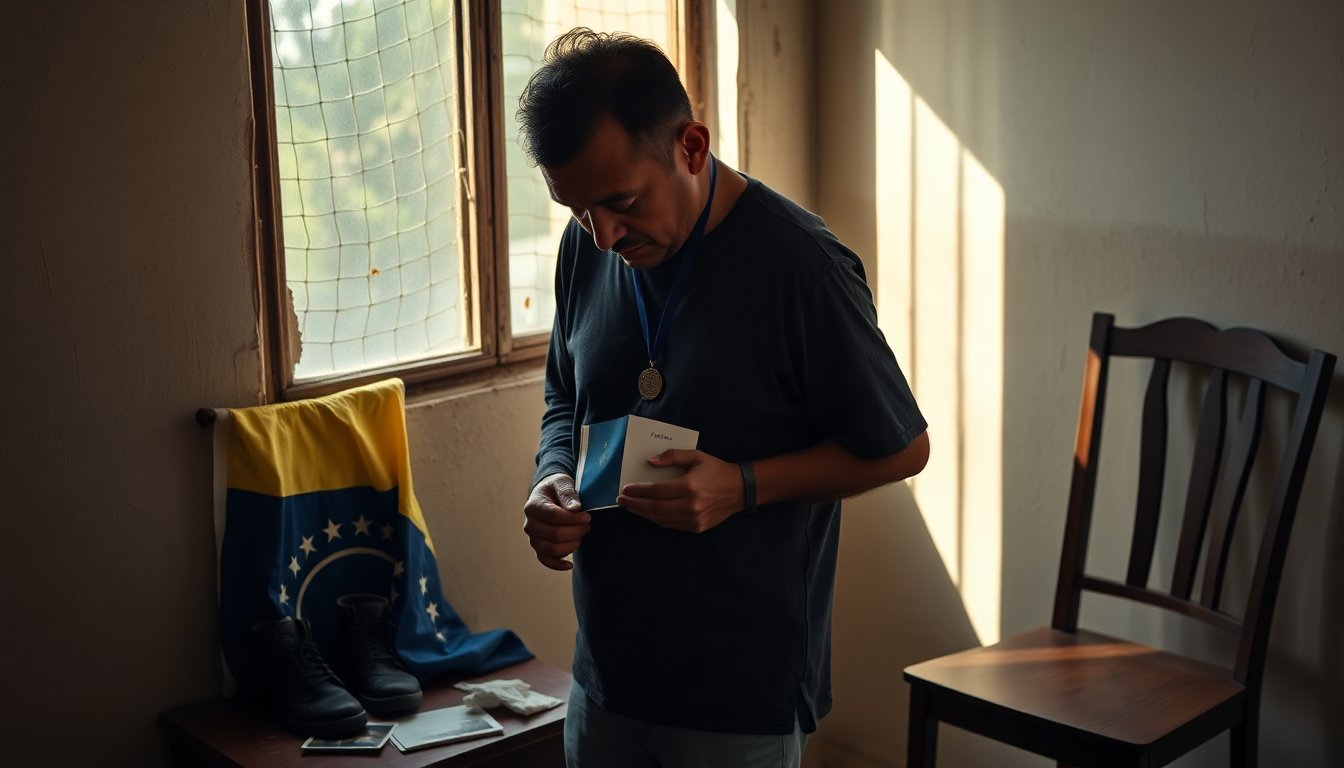
In a tragic event, a father in Venezuela mourns the loss of his son, José Salvador Rodriguez, a 32-year-old soldier. Rodriguez died during a recent U.S. military operation aimed at capturing Venezuelan President Nicolás Maduro. This incident highlights the complexities of international relations and the human cost of high-stakes confrontations.
The raid resulted in significant casualties among Venezuelan security forces and has drawn outrage from various sectors within the country. Many view the loss of life, including Rodriguez’s, as a violation of sovereignty and a grim reminder of past U.S. interventions in Latin America.
The U.S. military operation: A tactical move with severe consequences
This military operation, conducted in the dead of night, intended to capture Maduro on drug trafficking charges. However, it devolved into chaos, resulting in the deaths of at least 24 Venezuelan security personnel. Venezuelan Attorney General Tarek William Saab described the event as a potential war crime and announced that a thorough investigation would be carried out to examine the fatalities from the raid.
Reactions from Venezuelan leadership
In response to the U.S. actions, Venezuelan officials have expressed strong opposition. Acting President Delcy Rodriguez stated that her fate does not rest with foreign powers but is guided by divine will. She warned of repercussions if the U.S. continues its aggressive stance against Venezuela, affirming that the country will not submit to external pressures.
Furthermore, the Cuban government confirmed the deaths of 32 of its military and police personnel present in Venezuela during the raid. This development has intensified discussions regarding the implications of foreign military involvement in the region and the collaborative defense efforts between Venezuela and Cuba.
Implications for U.S.-Venezuela relations
President Donald Trump announced that the U.S. would acquire between 30 million and 50 million barrels of oil from Venezuela, with proceeds aimed at supporting the citizens of both nations. This strategy has raised concerns, as many question whether it genuinely benefits the Venezuelan people or serves U.S. interests in controlling valuable oil reserves.
Oil production and economic concerns
Despite possessing the world’s largest proven reserves of crude oil, Venezuela’s production has dwindled to approximately one million barrels per day, in stark contrast to the U.S. output of nearly 14 million barrels daily. This situation presents significant challenges for Venezuela, which struggles to revitalize its economy amidst international sanctions and internal unrest.
The U.S. has faced accusations of using economic leverage to influence Venezuelan politics, with many in the region apprehensive about America’s expanding footprint in Latin America. The Trump administration’s aggressive tactics have generated mixed reactions across the continent, creating a divide between nations that align with U.S. policies and those that resist.
Public opinion and political ramifications
Following the raid, public sentiment in the U.S. regarding the operation is notably divided. A recent poll indicated that approximately 40% of Americans approved of the military’s involvement in capturing Maduro, while an equal number disapproved. Additionally, a significant majority believes that Venezuela’s future leadership should be determined by its citizens rather than through foreign intervention.
As Trump continues to garner support for his administration’s hardline stance against Maduro, concerns have emerged about the potential for increased military aggression in the region. Critics fear that the U.S. may adopt a more interventionist approach, reminiscent of historical patterns of U.S. involvement in Latin American politics.
The human cost of geopolitical conflict
The raid resulted in significant casualties among Venezuelan security forces and has drawn outrage from various sectors within the country. Many view the loss of life, including Rodriguez’s, as a violation of sovereignty and a grim reminder of past U.S. interventions in Latin America.0