
Table of Contents
Dilling shows cautious revival amid ongoing threats
The streets of Dilling are stirring again. After months of blockade that choked supplies and restricted movement, shop shutters are lifting and market stalls are filling with produce. Neighbors exchange tentative smiles as they pass one another; life is returning, but wariness remains close at hand.
Markets return, but economic scars run deep
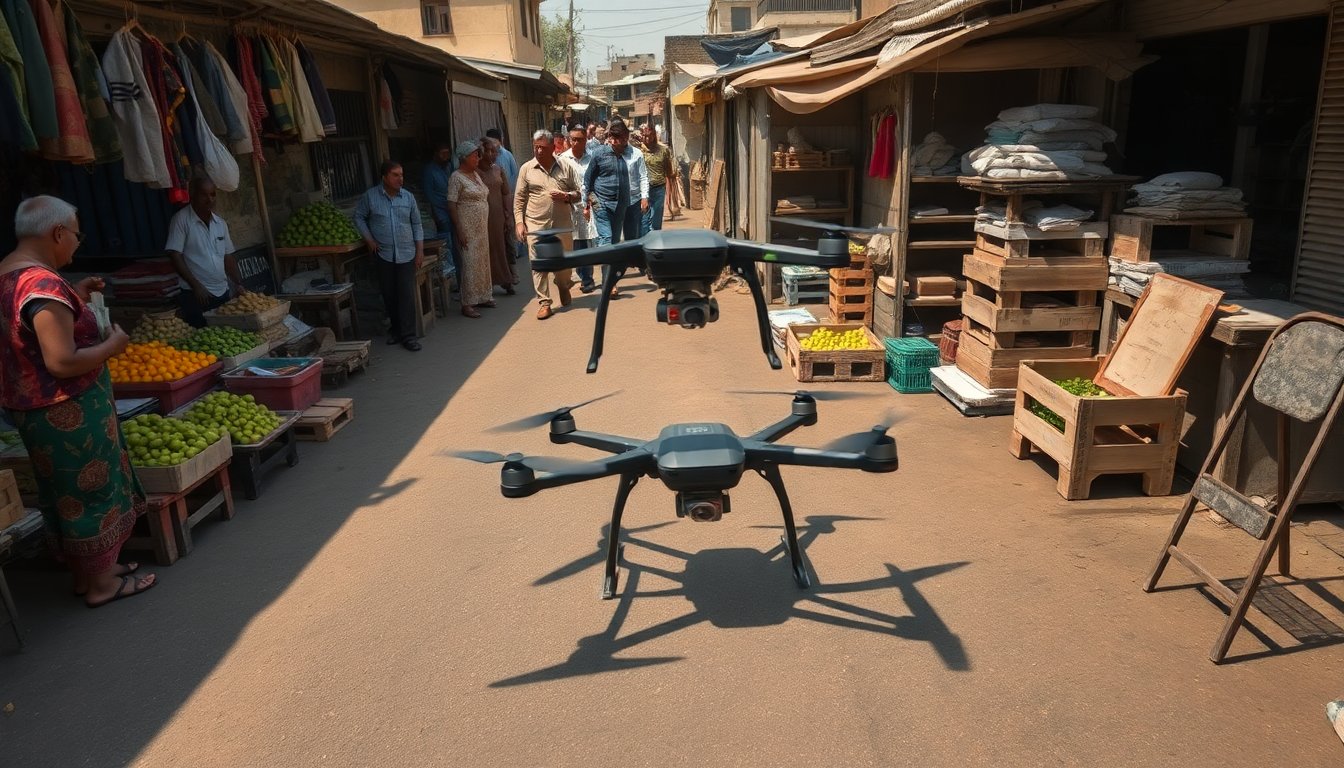
Vendors now line their stalls with okra, potatoes, chilies and citrus—items that vanished during the siege. Customers browse modest piles of vegetables and staples, and traders report a steady trickle of shoppers. For many families who depend on small-scale trade, this renewed commerce brings a much-needed morale lift.
That lift, however, masks a harder reality. Years of cut-off trade and limited mobility have drained household savings and sapped incomes. Public services and infrastructure—roads, water systems, market shelters—show the wear of neglect. Repairing what’s broken will take time, money and secure access. Until those threads are mended, many households remain perilously close to crisis: a single shock could plunge them back into hardship.
Healthcare pushed to the brink
The local health system has been one of the hardest-hit structures. Hospitals and clinics are operating far below capacity: shortages of medicines, diagnostic tools and surgical supplies are common, and the staff that remain are stretched thin.
Chronic patients feel this acutely. People with diabetes, hypertension and other long-term conditions need uninterrupted medication and monitoring. When insulin and other essential drugs ran short, clinicians saw swift deterioration in patients’ conditions—sometimes leading to amputations or long-term disability. Emergency care is similarly compromised; damaged facilities, limited personnel and longer response times mean routine crises can become life-changing events.
Practical steps matter. Rapid resupply of essential medicines, targeted deployment of trained staff and clear referral pathways between facilities can prevent avoidable harm. Simple, immediate actions—auditing current stocks, prioritizing distribution to the most vulnerable and activating mutual-aid pacts with neighboring clinics—would preserve whatever capacity remains.
What recovery requires
Reestablishing functional health services is not a quick fix. Clinics need repairs, laboratories must be re-equipped, and cold-chain logistics set up reliably to protect medicines. That will require coordinated procurement and transparent reporting so aid organizations and local authorities do not duplicate efforts or leave gaps that lead to stockouts.
Human resources are equal to the challenge. Rehiring clinical staff, restoring lost certifications and offering trauma-informed training for frontline workers are essential steps. Equally important is rebuilding trust: communities must see transparent supply chains and hear from familiar, trusted local figures about where help is coming from and how to access it.
The persistent threat of drone strikes
Even as goods move and markets reopen, the air above Dilling remains a source of dread. Residents describe frequent incursions by unmanned aircraft—sometimes targeting infrastructure, sometimes aimed at populated areas. The psychological and practical effects are immediate: families abandon meals and shelter at the first buzz of aircraft, clinic visits are postponed, and emergency transports are delayed.
Health facilities suffer repeated interruptions when air alerts force temporary closures. Power and supply deliveries can be halted without warning. Reconstruction crews work under the constant risk that a sudden strike will end operations and force evacuations. These attacks fragment daily life, erode any sense of steady progress and restrict humanitarian access.
Security and reconstruction challenges
Vendors now line their stalls with okra, potatoes, chilies and citrus—items that vanished during the siege. Customers browse modest piles of vegetables and staples, and traders report a steady trickle of shoppers. For many families who depend on small-scale trade, this renewed commerce brings a much-needed morale lift.0
Vendors now line their stalls with okra, potatoes, chilies and citrus—items that vanished during the siege. Customers browse modest piles of vegetables and staples, and traders report a steady trickle of shoppers. For many families who depend on small-scale trade, this renewed commerce brings a much-needed morale lift.1
What lies ahead for Dilling
Vendors now line their stalls with okra, potatoes, chilies and citrus—items that vanished during the siege. Customers browse modest piles of vegetables and staples, and traders report a steady trickle of shoppers. For many families who depend on small-scale trade, this renewed commerce brings a much-needed morale lift.2
Vendors now line their stalls with okra, potatoes, chilies and citrus—items that vanished during the siege. Customers browse modest piles of vegetables and staples, and traders report a steady trickle of shoppers. For many families who depend on small-scale trade, this renewed commerce brings a much-needed morale lift.3
Signs to watch
Vendors now line their stalls with okra, potatoes, chilies and citrus—items that vanished during the siege. Customers browse modest piles of vegetables and staples, and traders report a steady trickle of shoppers. For many families who depend on small-scale trade, this renewed commerce brings a much-needed morale lift.4
Vendors now line their stalls with okra, potatoes, chilies and citrus—items that vanished during the siege. Customers browse modest piles of vegetables and staples, and traders report a steady trickle of shoppers. For many families who depend on small-scale trade, this renewed commerce brings a much-needed morale lift.5