
Table of Contents
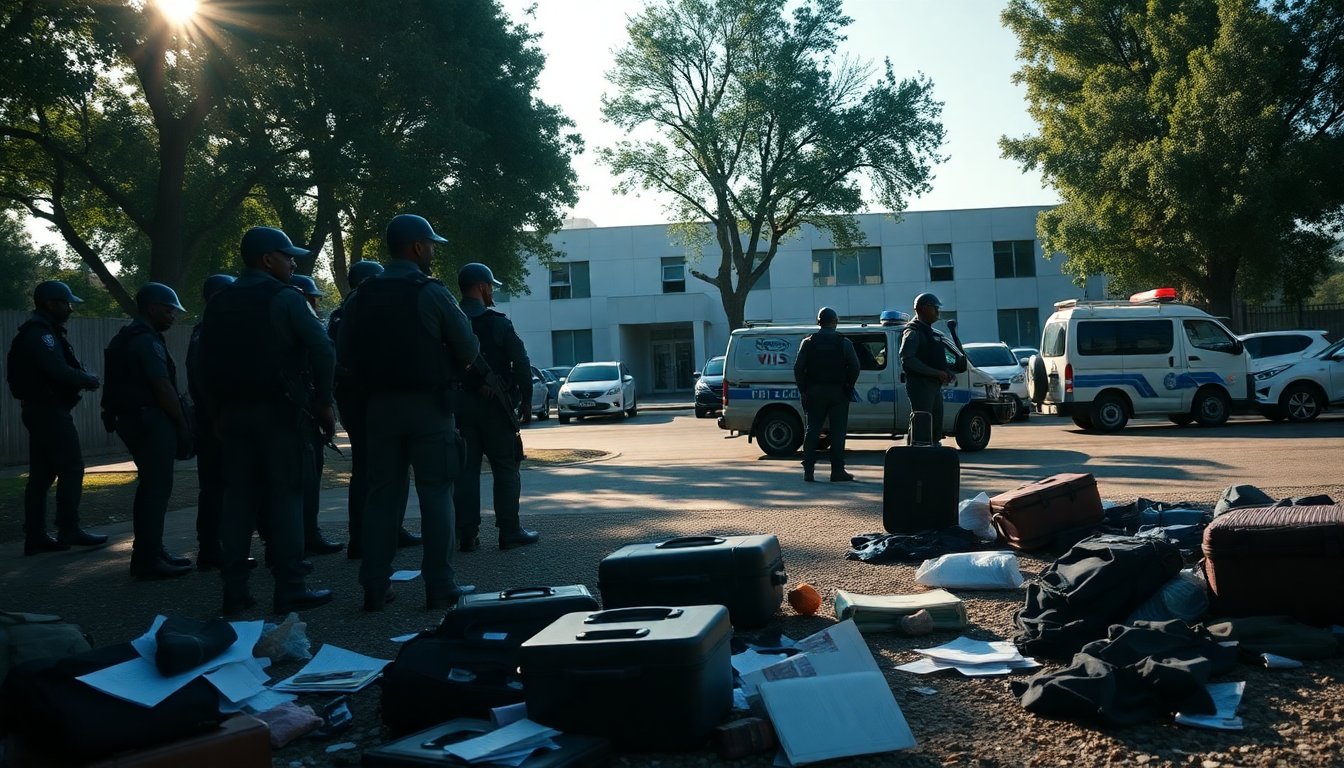
In a dramatic turn of events, a United States refugee processing center located in Johannesburg, South Africa, became the scene of a raid conducted by local immigration authorities. This operation, which resulted in the arrest of seven Kenyan nationals, has ignited significant controversy, particularly in the context of ongoing discussions about asylum claims for white South Africans. The implications of this incident are far-reaching, potentially straining diplomatic relations between the U.S. and South Africa.
Understanding the context of the raid
The South African government has characterized the raid as part of a broader initiative aimed at addressing illegal immigration and preventing the abuse of visa regulations. According to the country’s Ministry of Home Affairs, the arrested individuals were working in the refugee processing facility without proper authorization, having entered South Africa on tourist visas, which do not permit employment.
Furthermore, the Ministry expressed serious concerns regarding the nature of the U.S. operations at the center, suggesting that the presence of these Kenyan employees raises questions about diplomatic protocols and intentions. This development comes at a time when relations between the two nations have been subject to scrutiny, particularly following controversial policies enacted by the Trump administration concerning asylum.
Asylum claims and political implications
Under the previous U.S. administration, asylum claims from white South Africans, particularly from the Afrikaner community, received heightened attention. The assertion that this group faces persecution in South Africa has been a contentious point. Critics argue that these claims are unfounded and serve to misrepresent the realities of South African society.
The U.S. government’s prioritization of these claims has been met with skepticism both domestically and internationally. South African officials have vehemently denied claims of persecution, insisting that the allegations are based on misinformation. They argue that there is no substantial evidence to justify the need for refugee status among white South Africans, pointing out that all citizens are protected under the law.
The aftermath of the raid
Following the raid, the U.S. State Department characterized the intervention as “unacceptable,” emphasizing that such actions interfere with their refugee operations. The spokesperson for the department called for immediate clarification from the South African government and highlighted the need for cooperation in resolving the issue.
While no U.S. officials were detained during the raid, the situation has escalated tensions. The South African government has indicated that they are pursuing diplomatic avenues to address the matters arising from the incident, signaling a willingness to engage with both the U.S. and Kenya.
Future implications for U.S.-South Africa relations
This incident raises critical questions about the future of U.S.-South Africa relations, particularly as both nations navigate the complexities of immigration policy and diplomatic engagement. The U.S. decision to prioritize certain asylum claims may lead to further complications, especially if South Africa continues to assert its stance against what it perceives as unjustified claims.
Additionally, the political ramifications for both countries could be significant. If South Africa maintains its position, the U.S. might find itself at odds with a key partner in Africa, potentially affecting future collaborations on various fronts, including trade and security.
Conclusion
As the dust settles from this latest incident, it is clear that the ramifications of the raid on the U.S. refugee processing center will be felt for some time. The arrests of the Kenyan nationals have not only sparked a debate over immigration policy but have also highlighted the growing tensions in U.S.-South Africa relations. Moving forward, both nations will need to navigate these challenges carefully to foster a cooperative and constructive diplomatic environment.