
Table of Contents
The evolution of horror: Paranormal Activity on stage
The realm of horror continues to captivate audiences, evidenced by the transition of Paranormal Activity from film to stage. This new adaptation premiered in England and is currently drawing attention in Washington, D.C. It successfully embraces the essence of the original horror franchise while offering a fresh perspective. The play remains rooted in the same fictional universe as its cinematic counterpart, inviting both fans of the films and newcomers to explore its eerie narrative.
Understanding the stage adaptation
The stage version of Paranormal Activity immerses audiences in a chilling experience that combines psychological tension with supernatural elements. This adaptation diverges from the films, which often rely on visual effects and found footage techniques. Instead, it emphasizes live performance to build suspense and actively engage viewers. The actors’ physical presence, coupled with innovative stagecraft, intensifies the storytelling, allowing the audience to confront the terror in real-time.
Setting the scene
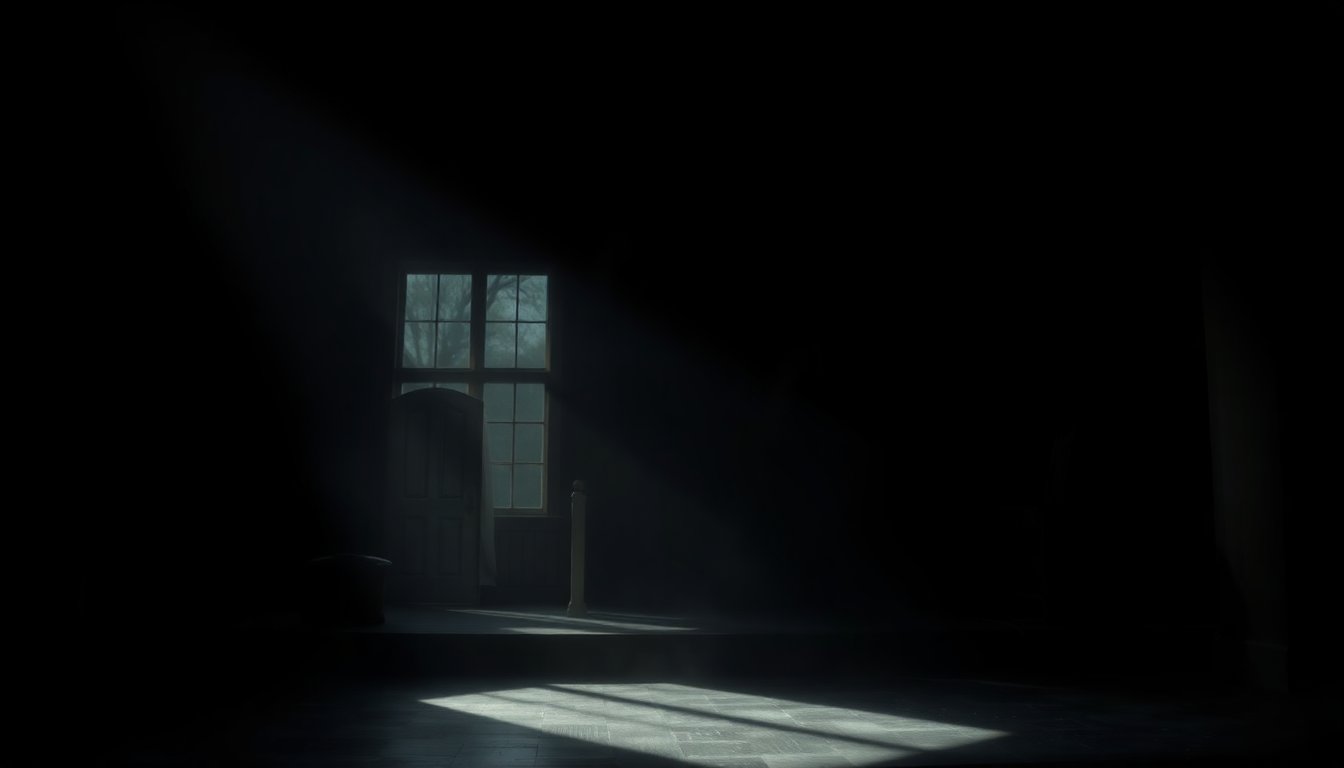
The play unfolds within a recognizable domestic environment where the lines between reality and the supernatural begin to blur. As the characters go about their daily routines, they inadvertently invite a malevolent presence into their home. The stage design is pivotal in crafting this atmosphere; dim lighting, carefully chosen sound effects, and minimalist props work together to create a sense of claustrophobia and impending dread. This immersive setting compels the audience to confront their own fears while witnessing the dramatic events unfold.
Character dynamics and themes
Central to the narrative are the characters, whose relationships and individual struggles significantly enhance the horror. The depiction of these interpersonal dynamics increases tension, as the supernatural force amplifies existing conflicts. Themes of trust, paranoia, and the vulnerability of the human psyche resonate throughout the performance. This exploration encourages the audience to reflect on their own insecurities and fears, making the experience both unsettling and thought-provoking.
Connecting with the audience
The creators of this adaptation have effectively crafted moments that resonate deeply with viewers. The dialogues and character arcs are designed to evoke empathy, immersing the audience in the emotional struggles faced by the protagonists. As the horror intensifies, viewers become more than mere spectators; they engage actively with the unfolding drama. This level of engagement exemplifies effective theater, where the distinction between fiction and reality blurs, drawing the audience into a shared experience of tension and reflection.
The significance of the adaptation
The decision to adapt Paranormal Activity for the stage is significant in several ways. It showcases the versatility of horror as a genre, demonstrating that it can thrive in various mediums. Moreover, this adaptation challenges conventional notions of what horror can achieve in a live setting. With each performance, the audience experiences a unique rendition, influenced by the actors’ interpretations and the immediate reactions of those around them.
Additionally, the play serves as a cultural commentary, reflecting societal anxieties surrounding the unseen and the unknown. In an era where technology frequently invades personal spaces, themes of surveillance and intrusion resonate profoundly. This adaptation not only entertains but also provokes thought, encouraging viewers to contemplate their relationship with fear and the supernatural.
The evolving landscape of horror theater
The adaptation of Paranormal Activity marks a significant moment in the realm of horror theater. It invites audiences to explore the intersection of fear and performance art. This innovative approach not only captivates but also stimulates critical thinking about the nature of horror itself.
Audiences leave the theater not just entertained but also with profound reflections on their own fears and the supernatural. The production challenges traditional perceptions, demonstrating that the most unsettling narratives often dwell within familiar settings.
By blending the visceral elements of horror with the immediacy of live performance, this adaptation redefines how stories can elicit emotional responses. The experience serves as a powerful reminder of storytelling’s ability to resonate deeply, creating a lasting impact well beyond the final bow.