
Table of Contents
“`html
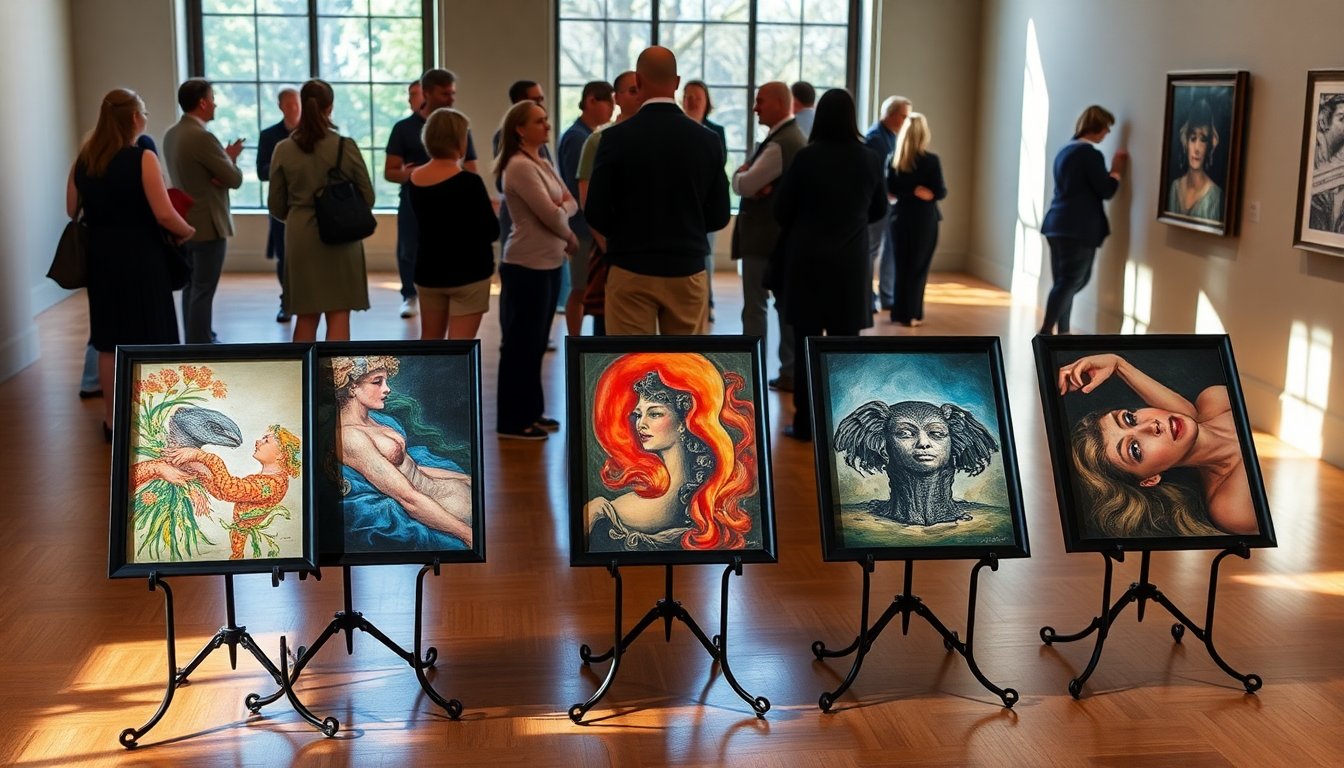
The Art Institute of Chicago has unveiled a mesmerizing exhibition titled Strange Realities: The Symbolist Imagination, inviting art enthusiasts to immerse themselves in a unique artistic movement that emerged in the late 19th century. This exhibition features around eighty exquisite works on paper, highlighting the emotional and imaginative depth characteristic of the Symbolist movement. The collection offers a window into a world of dreams, nightmares, and profound feelings, all aimed at expressing the inner workings of the human psyche.
Symbolism, as a concept, originated in Western European literature during the 1880s and gradually made its way into visual arts, capturing the imagination of artists who sought to convey their emotions through visual symbolism rather than realistic representation. Curators of the exhibition remind us that there was no unified Symbolist movement; instead, it encompasses a variety of styles and interpretations, all tied together by the intention to turn away from reality and delve into the subconscious.
Featured Artists and Their Works
The exhibition showcases a stellar lineup of artists, including notable figures such as Odilon Redon, Edvard Munch, James Ensor, and Gustave Moreau. Each artist presents a unique perspective on the Symbolist ethos, with works that invite viewers into their enigmatic worlds. A standout piece in the collection is a poignant drawing of a weeping woman by Vincent van Gogh, whose emotional intensity epitomizes the Symbolist spirit. This particular work captures the essence of sorrow, with the figure dominating the composition, reflecting the overwhelming nature of her grief.
The Narrative Depth of Symbolism
Among the highlights of the exhibition are the intimate works on paper by Odilon Redon, whose creations often blend the fantastical with the emotional. The exhibition includes both monochromatic and vibrant pieces, offering a comprehensive exploration of his artistic range. Another significant section features print portfolios, including one by Max Klinger, which provides a rich narrative experience. These prints were often produced for books and magazines, emphasizing the accessibility of Symbolist art and its connection to popular culture.
Symbolism’s Cultural Significance
The Symbolist movement offers an alternative lens through which to view the human experience. It celebrates individuality and the diversity of thought, urging viewers to confront their inner darkness rather than shy away from it. In an age where the complexities of life often feel overwhelming, exhibitions like Strange Realities serve as vital reminders of the importance of introspection and emotional expression in art.
Visitors to the exhibition will not only encounter the works of established masters but also gain insight into how Symbolism paved the way for future artistic movements. By exploring themes of identity, emotion, and existential reflection, Symbolism has left an indelible mark on the art world, influencing generations of artists.
Conclusion: Embracing the Enchanted Worlds
In conclusion, Strange Realities: The Symbolist Imagination at the Art Institute of Chicago is more than just an exhibition; it is a journey into the depths of human emotion and experience. As we navigate through the myriad of works on display, we are invited to contemplate our own realities and the ways in which art can illuminate the hidden corners of our minds. This exhibition is a must-see for anyone intrigued by the power of art to transcend ordinary experiences and reveal the extraordinary.
“`