
Table of Contents
Don Lemon arrested during protest coverage
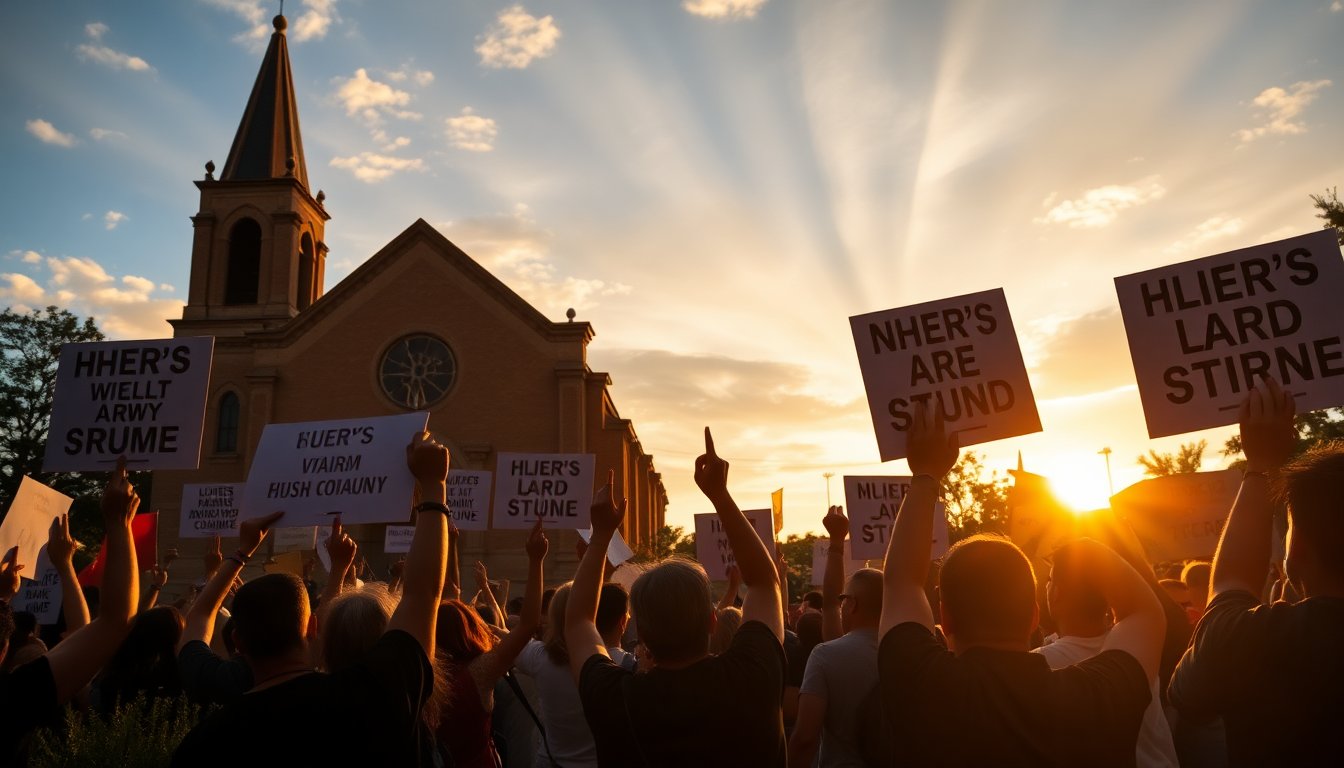
Journalist Don Lemon was arrested late Thursday night, as confirmed by his attorney on Friday. The arrest is linked to a protest that took place on January 18 at the Cities Church in St. Paul, Minnesota. The demonstration disrupted a service, escalating tensions between local residents and the federal government.
According to Lemon’s lawyer, Abbe Lowell, the former CNN correspondent was detained while covering the Grammy Awards in Los Angeles. The protest that led to his arrest targeted U.S. Immigration and Customs Enforcement (ICE), following heightened tensions after the shooting of a local mother by an ICE officer.
Context of the arrest
The U.S. Attorney General, Pam Bondi, confirmed via social media that Don Lemon and three other activists were arrested in relation to a coordinated effort against protests at a church. Her statement emphasized the federal government’s commitment to maintaining order, stating, “At my direction, early this morning federal agents arrested Don Lemon and others in connection with the coordinated attack on Cities Church in St. Paul, Minnesota.” This announcement reflects the administration’s firm stance against civil disobedience during religious gatherings.
Details of the protest
The protest featured chants calling for the removal of U.S. Immigration and Customs Enforcement (ICE) from the community. Demonstrators referenced Renee Good, a mother shot by an ICE agent earlier in January. Participants expressed their outrage over what they perceived as unjust actions by federal agents, disrupting a church service associated with ICE.
Don Lemon’s arrest follows a previous attempt by prosecutors to charge him, which was dismissed by a magistrate judge. His legal team argues that he was present solely as a journalist, asserting that his actions are protected under the First Amendment, which ensures freedom of the press.
Reactions and implications
The recent incident has garnered significant attention, raising concerns about the impact on press freedom and civil rights. Lemon’s attorney expressed confidence in his client’s defense, stating, “Don will fight these charges vigorously and thoroughly in court.” This reflects a broader apprehension regarding the rights of journalists operating in politically charged environments.
Legal and social ramifications
Alongside Lemon, two additional individuals involved in the protest have been arrested and are facing allegations of civil rights violations. These arrests coincide with an ongoing investigation by the Justice Department, which aims to assess whether the demonstrators’ actions infringed upon religious freedoms.
Pam Bondi’s remarks on social media highlighted the government’s zero tolerance for disruptions at places of worship. She characterized the arrests as a necessary measure against what she described as a terrible crime. The church involved, which is affiliated with the Southern Baptist Convention, has expressed support for the legal actions taken against the protesters.
Future considerations
As the legal proceedings progress, the case against Don Lemon and the other activists is expected to attract ongoing public scrutiny. The debate revolves around finding the right balance between civil rights and the enforcement of federal immigration laws. Advocates for press freedom argue that Lemon’s arrest signals a concerning trend where journalists face repercussions for covering sensitive topics.
This incident has highlighted the ongoing tensions between local communities and federal immigration policies, while also raising concerns about the treatment of journalists in politically charged contexts. As developments unfold, the intersection of press rights and civil liberties will remain critical for advocates and lawmakers.
The outcome of this legal battle could establish significant precedents for future protests, journalism, and the rights of individuals to express dissent without fear of backlash.