
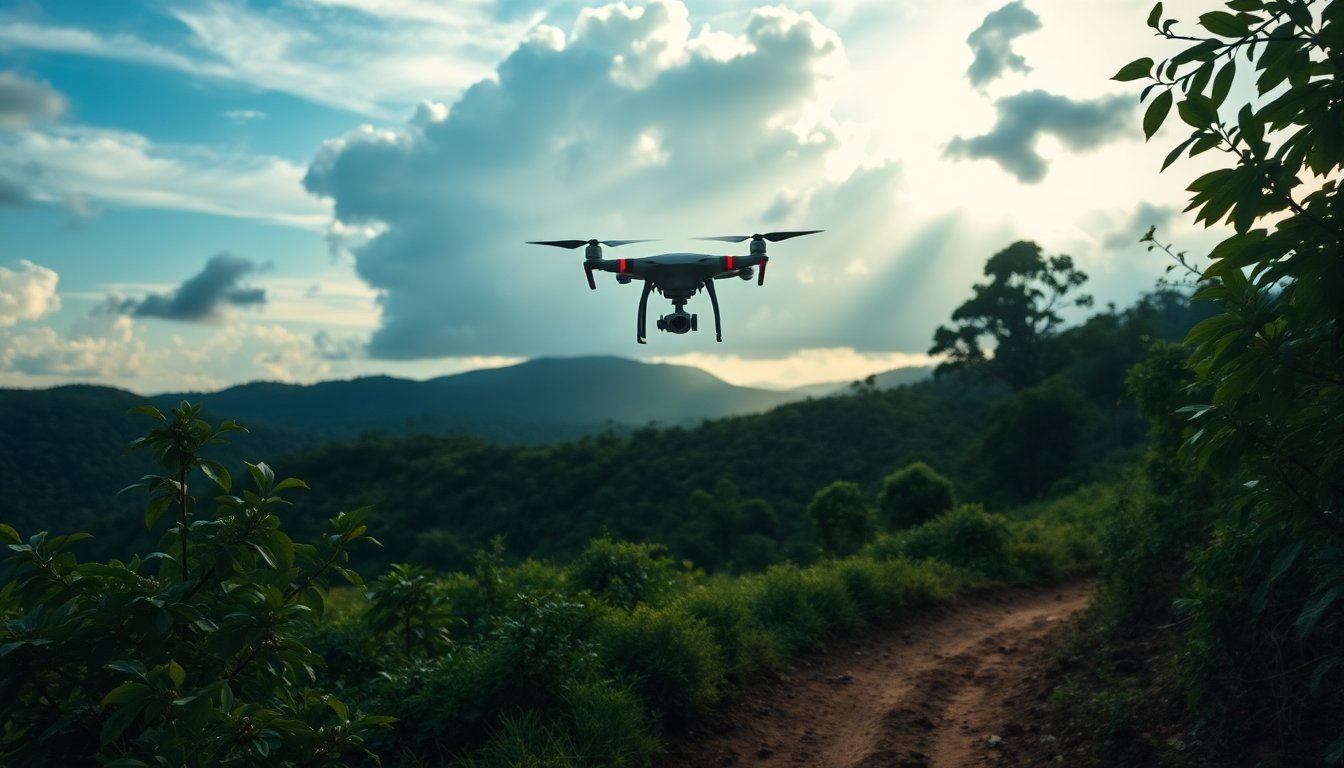
Colombia faces a growing challenge in its fight against drug trafficking. The resurgence of militias has added a new dimension to this conflict, with drones increasingly used for transporting and delivering illicit substances. This technological advancement significantly enhances the operational capabilities of these groups while placing additional strain on the nation’s already overburdened security forces.
The rise of drones in drug trafficking
Traditionally, drug cartels in Colombia relied on conventional methods for smuggling cocaine, such as concealed compartments in vehicles or small aircraft. However, the emergence of drone technology has transformed these operations. Drones can traverse challenging terrains, evade detection, and transport drugs over long distances with relative ease.
Militias leverage drone technology
Militias in Colombia are increasingly utilizing drones for a variety of purposes, including logistical support and surveillance against security forces. These unmanned aerial vehicles (UAVs) can be equipped with cameras and advanced monitoring devices, providing these groups with a significant tactical advantage. This strategic shift raises concerns, as it enables militias to gather crucial intelligence on law enforcement activities, complicating the authorities’ ability to respond effectively.
Security services face new challenges
The Colombian government and its security agencies are confronting the implications of this emerging aerial threat. The deployment of drones has resulted in a notable increase in the frequency and intensity of attacks against security personnel. In several cases, these drones are modified to carry explosives, transforming them into lethal weapons capable of causing substantial harm.
Countermeasures and responses
Colombian authorities are actively addressing the escalating threat posed by hostile drones. They are enhancing surveillance capabilities and developing technology specifically designed to detect and neutralize these unmanned aerial vehicles (UAVs). Additionally, law enforcement agencies are seeking international support to acquire advanced systems aimed at reducing the risks associated with drone activities.
Adapting to a new era of drug trafficking
Colombia is currently facing an evolving drug trade that presents unprecedented challenges. The use of drones by drug cartels and militias highlights a significant shift in narcotics trafficking tactics. This development necessitates innovative strategies and a strong response from security forces. The fight against drug trafficking is not just a technological issue; it is also deeply rooted in the socio-economic landscape of the nation.


