
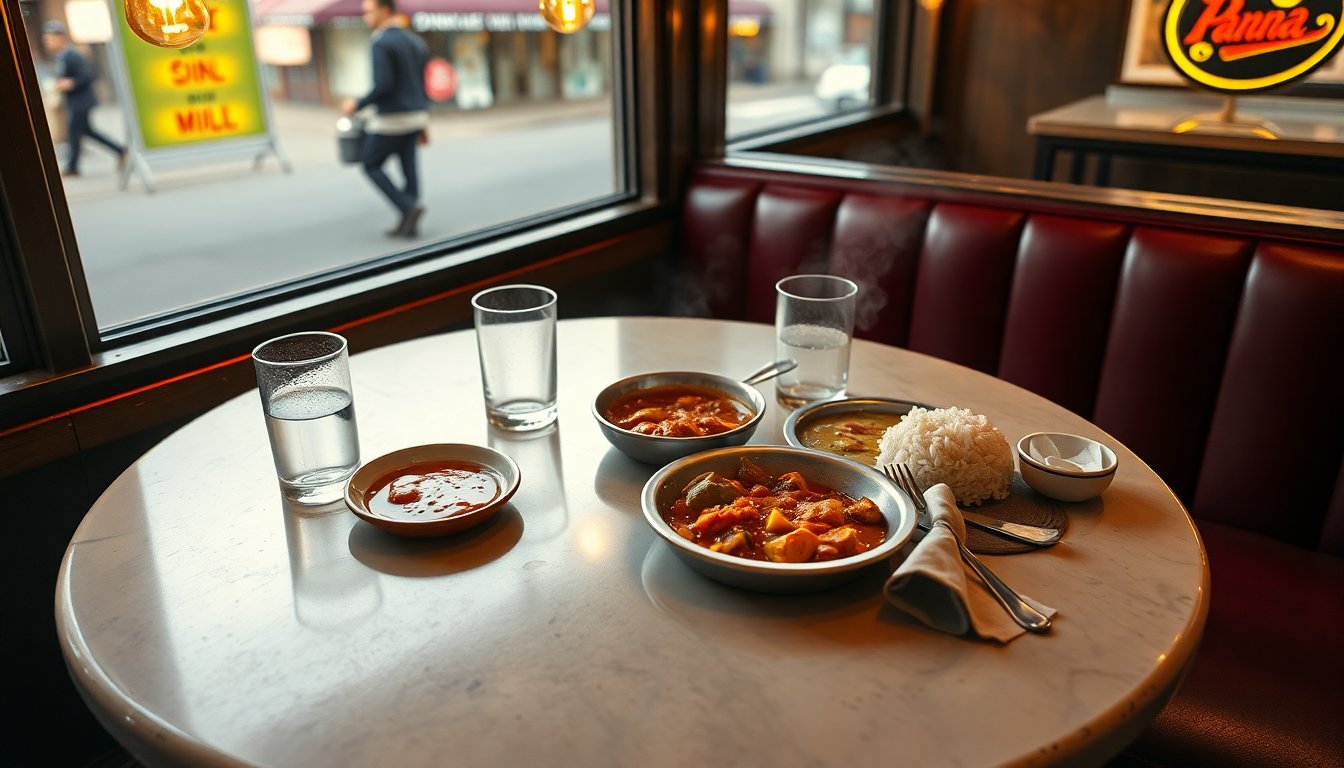
When the FX/Hulu limited series Love Story: John F. Kennedy Jr. & Carolyn Bessette dropped its first episodes on Feb. 12, one quiet corner of the East Village suddenly felt like a set. Panna II Garden, an Indian restaurant that’s been part of the neighborhood since 1989, found itself at the center of a small-screen pilgrimage: diners are booking the booth shown in the show, posing for photos beneath the same string lights, and lingering longer than usual over their meals.
Reporters on the ground say the uptick was immediate. Reservations climbed noticeably over the weekend after the premiere, and staff began fielding repeat requests for the table used in the dramatized “first date” scene. The owner — who took over the place from his parents — has decided to leave that booth available for photos, calling it a pragmatic response to newfound fan interest rather than a formal marketing ploy.
The effect goes beyond Instagram snaps. Nearby businesses report spillover sales: a West Village pharmacy saw brisk purchases of tortoiseshell headbands like the one a lead character wears, and cafés and shops on adjacent blocks are noticing more foot traffic, especially during peak viewing and dining hours. Managers say they’re tracking whether the surge will be a passing trend or something more enduring.
Back at Panna II, staff are reworking schedules and tweaking service patterns to keep up with demand. Walk-ins have increased, and more single diners or small groups are requesting the featured booth. Kitchen managers have started limiting certain menu items prone to shortages and are watching supply lines closely so quality doesn’t suffer. For now the owner describes the attention as a welcome lifeline in a competitive restaurant scene — with the caveat that converting a spike of interest into steady customers will be the real test.
Producers filmed inside the restaurant with permission, and the show’s insistence on authentic, lived-in interiors appears to be doing the heavy lifting in attracting visitors. Viewers have praised the period detail; many patrons say the episode felt true to the era and inspired repeat visits, while others came for the first time because of the show’s setting.
Local officials and business owners are keeping an eye on crowding during busy nights, but no formal policies about capacity or special access for fans have been announced. That may change if demand keeps rising; managers are already considering extended hours and modified booking windows to avoid overwhelming regular service.
For now, Panna II and the surrounding blocks are enjoying the buzz. Diners pose beneath the same lighting that helped sell a 1990s New York mood on screen, shopkeepers stock small, show-related items, and the neighborhood hums with the kind of attention only television can bring. Whether the glow lasts beyond the series’ run remains to be seen, but for this moment the intersection of storytelling and real life has given an old East Village staple a new story to tell. Reporters will continue to monitor developments as staff, owners and local businesses adapt.