
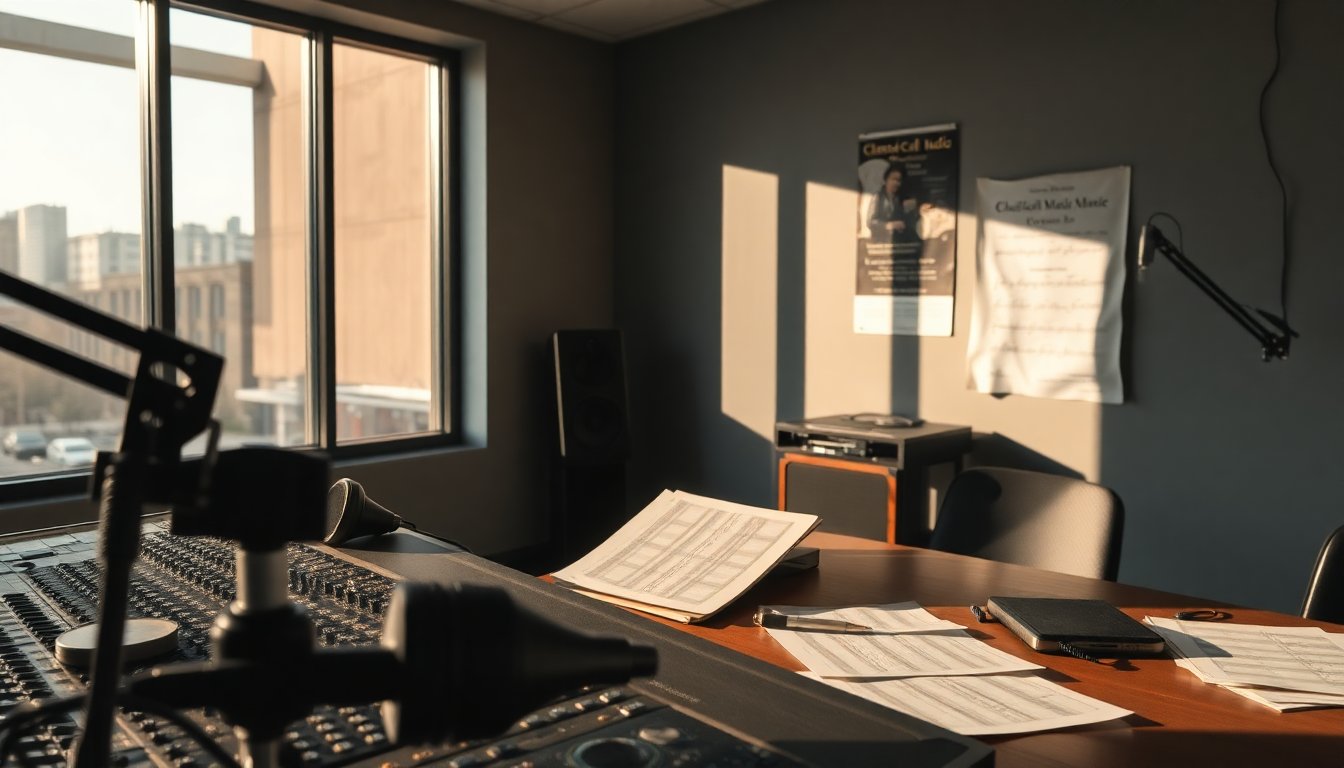
Recent developments indicate that the landscape of public radio is confronting significant challenges due to proposed funding cuts. These budget reductions threaten the classical music programming that many listeners value. The potential impact on local music communities and the preservation of this genre is considerable.
Public radio stations have historically been critical for classical music, providing a platform for both established and emerging artists. As funding diminishes, the future of these stations, and the music they offer, is at stake. A loyal audience relies on these broadcasts for their daily exposure to symphonies and sonatas, making the implications of budget cuts quite profound.
The role of public radio in classical music preservation
Public radio has played a pivotal role in fostering an appreciation for classical music across the United States. With a mission to educate and entertain, these stations cultivate an audience that recognizes the cultural significance of classical compositions. Many public radio programs focus exclusively on classical music, showcasing everything from the great masters like Bach and Beethoven to contemporary composers.
Additionally, public radio not only broadcasts music but also facilitates live performances and interviews with artists, enhancing the listening experience. These initiatives create a sense of community among classical music enthusiasts, offering engagement opportunities that extend beyond mere listening.
Challenges posed by funding cuts
The impending financial challenges threaten to dismantle this vibrant ecosystem. As funding cuts are enacted, stations may be forced to eliminate or significantly reduce their classical music programming, potentially leading to fewer live performances and a decline in the diversity of music available to listeners.
Moreover, reduced budgets may result in the loss of talented staff members who are passionate about classical music. Without dedicated producers and hosts, the quality of programming could decline, leading to a less engaging experience for the audience. The ripple effect of these cuts could diminish the visibility of classical music in the broader cultural landscape.
The community’s response to potential changes
In response to these challenges, classical music communities are coming together to voice their concerns. Many supporters are actively campaigning for the preservation of funding for public radio, recognizing its importance in sustaining classical music. Grassroots movements, online petitions, and organized events are emerging as platforms for advocacy.
Listeners are encouraged to express their passion for classical music by reaching out to their local stations and urging them to maintain their existing programming. Engaging with public radio through donations and membership support is another critical way to contribute. Community involvement is essential to demonstrate to decision-makers that classical music is valued and worth preserving.
Exploring alternative funding solutions
As public radio navigates these financial challenges, exploring alternative funding strategies may be necessary. Innovative partnerships with local businesses, arts organizations, and educational institutions could provide additional resources for stations. Furthermore, leveraging digital platforms to expand outreach and create new revenue streams offers a promising avenue for sustainability.
Embracing technology can also play a crucial role in revitalizing classical music’s presence. Online streaming services and social media engagement can attract a younger audience, ensuring that classical music resonates with future generations. These efforts may help bridge the gap left by funding cuts, keeping the music alive and thriving.
The future of classical music on public radio
Public radio stations have historically been critical for classical music, providing a platform for both established and emerging artists. As funding diminishes, the future of these stations, and the music they offer, is at stake. A loyal audience relies on these broadcasts for their daily exposure to symphonies and sonatas, making the implications of budget cuts quite profound.0
Public radio stations have historically been critical for classical music, providing a platform for both established and emerging artists. As funding diminishes, the future of these stations, and the music they offer, is at stake. A loyal audience relies on these broadcasts for their daily exposure to symphonies and sonatas, making the implications of budget cuts quite profound.1


