
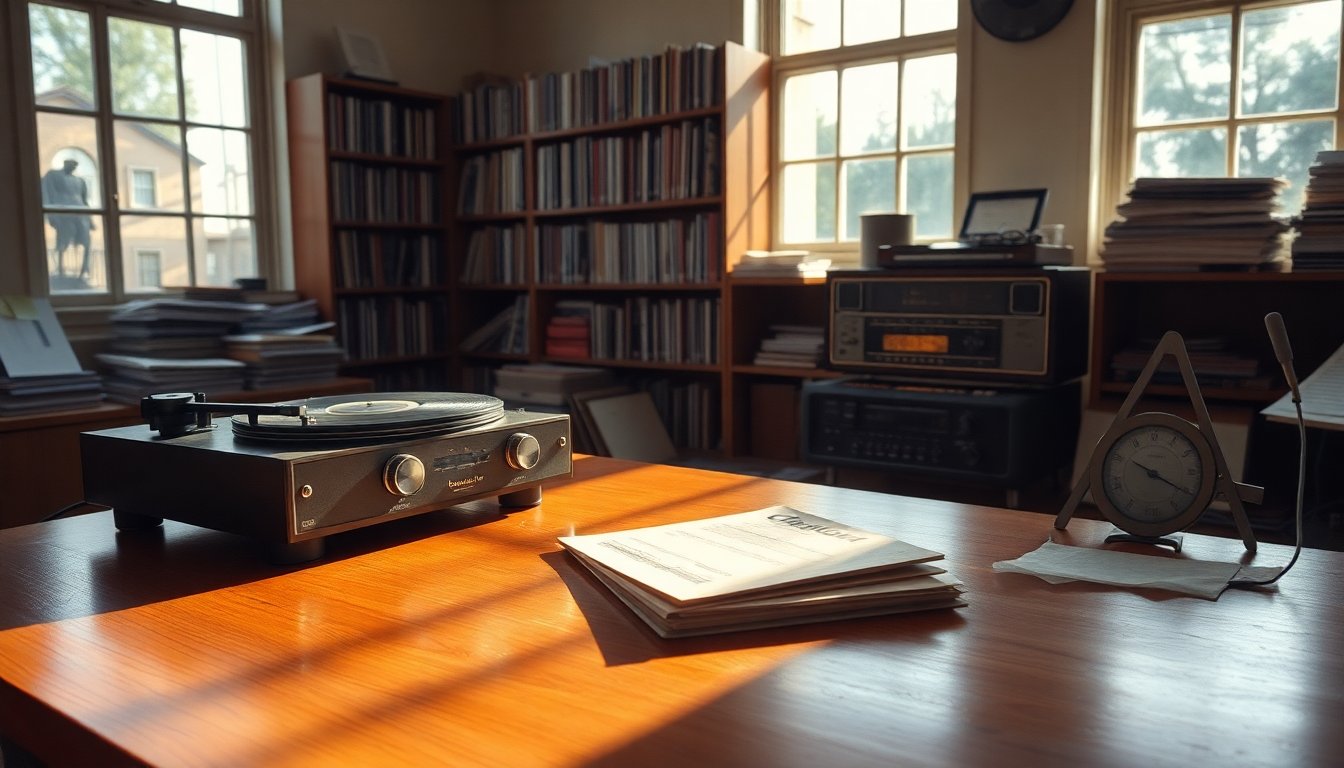
The future of classical music in the United States is increasingly uncertain due to significant funding cuts to public radio. These reductions threaten not only the financial stability of radio stations dedicated to this genre but also the cultural significance of the programs they provide. Classical music, regarded as a cornerstone of artistic heritage, is at risk, and the potential loss of these broadcasts carries implications that extend beyond entertainment.
Public radio stations, which have historically played a crucial role in promoting classical music, are now confronting the harsh realities of budget cuts. As funding diminishes, the ability to sustain programming that supports both established and emerging artists faces serious challenges.
The role of public radio in classical music
Public radio has long been instrumental in the dissemination of classical music. These stations not only showcase renowned orchestras and composers but also cultivate a community of listeners who appreciate the nuances and grandeur of this art form. The distinctive programming featured on public radio enables audiences to connect with classical music more profoundly, often highlighting live performances, interviews, and insightful commentary.
Community impact
The impact of public radio extends beyond music; it fosters a community around the shared appreciation of classical compositions. Listeners cultivate connections with both the music and one another, forming bonds through their shared experiences. However, with potential funding cuts on the horizon, these connections face significant threats. Access to quality classical music programming may become increasingly challenging for listeners<\/em>, potentially resulting in a decline in interest and participation in the genre.
Challenges ahead for classical music programming
As budget cuts impact public radio stations, difficult decisions regarding program retention are becoming increasingly necessary. The removal of classical music shows would eliminate a crucial resource for enthusiasts and reduce the diversity of listening choices available. Classical music is frequently viewed as elitist; its absence from public radio could reinforce this stereotype and alienate potential new audiences.
Furthermore, the financial landscape for public radio is changing, with many stations becoming more dependent on listener donations and corporate sponsorships. This transformation exerts additional pressure on classical music programming, which may face challenges in securing the necessary funding to sustain its operations. Consequently, the rich tapestry of classical music, cultivated over decades of broadcasting, risks unraveling.
The cultural significance of classical music
The cultural significance of classical music is profound. It embodies centuries of tradition, innovation, and expression that reflect the human experience. Classical music has the power to inspire, educate, and evoke emotion. Its presence in public radio serves as a reminder of our shared cultural heritage. The absence of support for public radio raises concerns about the future of classical music, which could lead to a significant cultural void.
The way forward: potential solutions
Despite the challenges faced, there are viable solutions that could sustain classical music programming on public radio. One effective strategy is to enhance community outreach efforts. Engaging listeners through events, educational programs, and partnerships with local schools and cultural organizations can make a difference. By fostering a deeper connection between classical music and the community, stations may cultivate a new generation of supporters and advocates.
Public radio stations face a critical challenge as they consider innovative funding models that leverage technology and social media. Crowdfunding campaigns and online concerts may serve as alternative revenue streams while simultaneously reaching a broader audience. The integration of modern technology could help sustain classical music on public radio and revitalize interest in the genre.
The impending funding cuts to public radio pose a significant threat to the survival of classical music programming in America. As communities unite to support these initiatives, advocacy for the preservation of this art form is essential. The future of classical music depends on the commitment of listeners and supporters to ensure that its voice continues to resonate for generations to come.


