
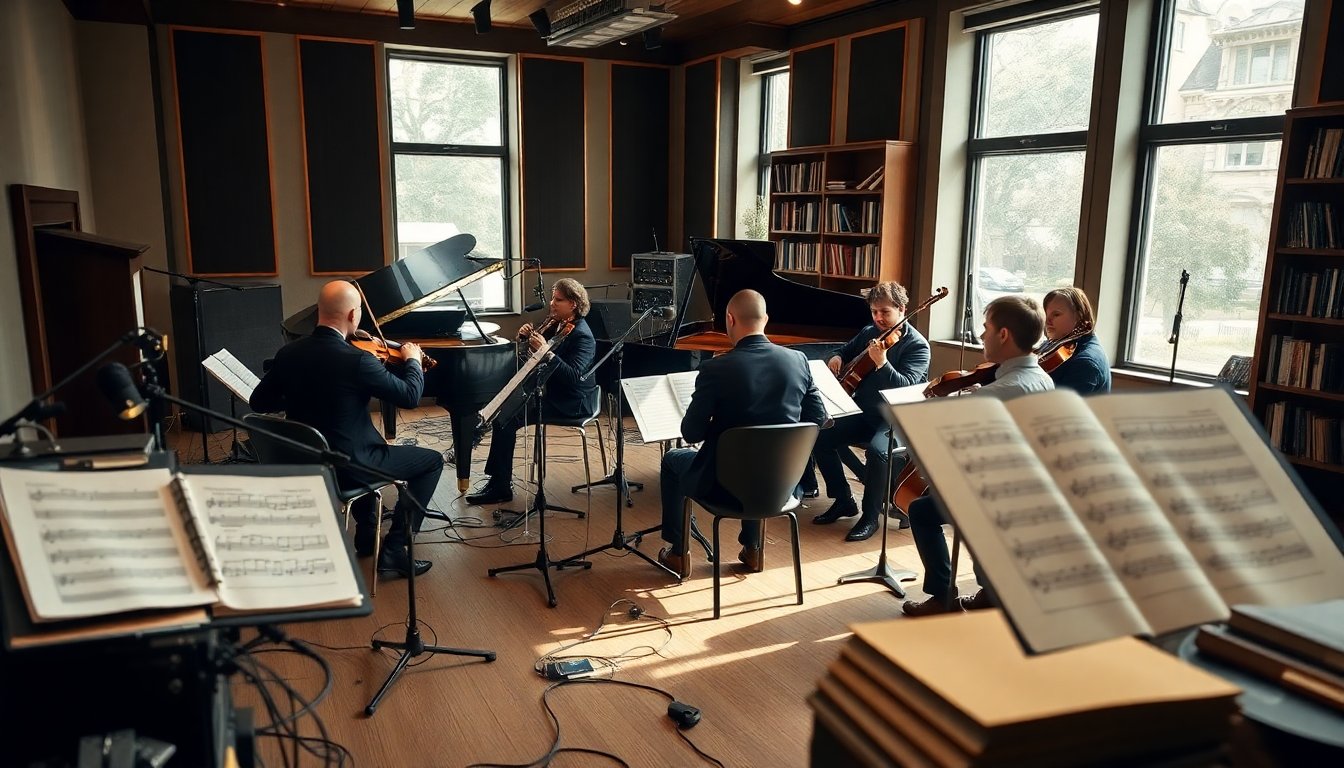
Decisions to cut funding for public radio are raising significant concerns about the future of classical music in the United States. As financial resources dwindle, many fear that the rich tapestry of orchestral performances and music education provided by public stations is at risk. The potential consequences of this trend could resonate throughout the cultural landscape, impacting not only artists and musicians but also the audiences who cherish this genre.
The role of public radio in promoting and preserving classical music is critical. With its unique ability to reach diverse communities, public radio serves as a vital platform for both established and emerging artists. However, ongoing budget constraints threaten to undermine this essential service, leading many to question the future of their beloved programming.
The role of public radio in classical music
Public radio has historically played a pivotal role in introducing audiences to classical music. Through regular broadcasts, these stations have facilitated access to a wide range of compositions, from timeless symphonies to contemporary works. Programs often feature interviews with composers and performers, offering insights into the creative process that enrich listener experiences.
Building community through music
Moreover, public radio fosters a sense of community among classical music enthusiasts. Many stations organize events and concerts that bring together listeners and musicians, creating opportunities for collaboration and dialogue. These gatherings cultivate a shared appreciation for the art form, encouraging listeners to engage with live performances and support local talent.
As funding cuts loom, the ability of public radio to sustain these initiatives is increasingly uncertain. Without adequate financial backing, many stations may have to reduce or eliminate their classical programming altogether, depriving audiences of the very content that enriches their lives.
The impact of funding cuts
When public radio stations face budget cuts, the repercussions can be severe. In a climate where financial resources are increasingly scarce, stations are forced to make difficult decisions regarding their programming. This often leads to a reduction in classical music offerings, which may include fewer live broadcasts, less coverage of local events, and diminished support for artists.
Long-term consequences for classical music
The long-term implications of diminishing public radio support for classical music are concerning. As fewer stations air classical programming, there is a risk that the genre will become less visible in the cultural landscape. This decline in representation could lead to a generational disconnect, where younger audiences are less exposed to orchestral music and its many forms.
Furthermore, the loss of public radio as a platform for classical musicians could stifle the growth of new talent. Emerging artists often rely on these stations for exposure, and without this support, their careers may struggle to gain traction. The ripple effects could be felt throughout music education programs, potentially reducing interest and participation.
Preserving classical music’s legacy
To combat these challenges, advocates for classical music must unite in their efforts to ensure that public radio remains a key player in promoting this genre. This can include lobbying for increased funding and encouraging community support for local stations that prioritize classical programming. Engaging in grassroots campaigns can raise awareness about the importance of classical music in our society.
Additionally, leveraging digital platforms offers a new avenue for reaching audiences and sustaining interest in classical music. Streaming services and podcasts provide alternative ways for listeners to engage with the genre, but they should not replace traditional radio. Instead, they should complement public radio efforts, ensuring that classical music remains a vibrant and accessible part of American culture.
The role of public radio in promoting and preserving classical music is critical. With its unique ability to reach diverse communities, public radio serves as a vital platform for both established and emerging artists. However, ongoing budget constraints threaten to undermine this essential service, leading many to question the future of their beloved programming.0


