
Table of Contents
On Feb 22, 2026, Mexican authorities announced the death of Nemesio Oseguera Cervantes, widely known as El Mencho, during a federal operation in the municipality of Tapalpa, Jalisco. The government said he was wounded in the confrontation and later died while being transported to Mexico City. In the hours that followed, multiple states saw coordinated unrest: highways were blocked, vehicles set ablaze and major tourist hubs experienced disruption.
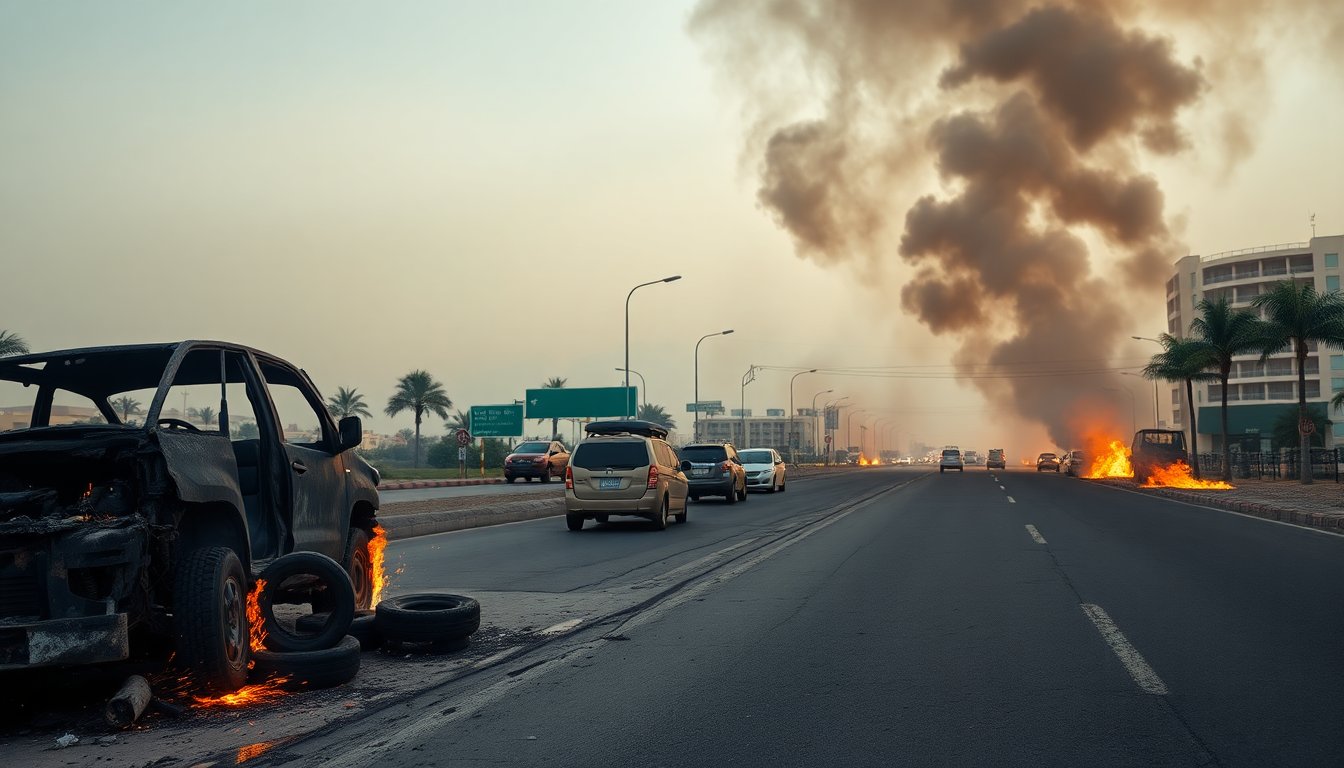
The reaction was immediate and widespread. In particular, the coastal city of Puerto Vallarta and the state capital Guadalajara reported heavy smoke from burning cars and buses, suspended public transit and tense scenes near airports. International authorities reacted with travel guidance: the U.S. Embassy advised Americans in parts of Mexico to shelter in place, and Global Affairs Canada updated its advisory for Canadians in Jalisco.
What happened during the operation
According to the Mexican Secretariat of National Defence, the operation targeted senior figures of the Jalisco New Generation Cartel (CJNG) in Tapalpa. Troops engaged armed groups; officials reported casualties among cartel members and that Oseguera Cervantes was wounded and later died en route to medical care. Authorities said weapons and armored equipment were seized and arrests were made at the site of the confrontation.
Operational details and immediate fallout
Military sources described a firefight during the raid, with multiple individuals killed at the scene and others detained. The death of a figure who U.S. authorities had long sought — including with an earlier reward of up to $15 million — sparked an organized response by criminal actors who used classic disruptive tactics: roadblocks, burning vehicles and temporary paralysis of key transport routes. Those measures aimed to impede Security forces and create zones of instability while the government assessed the situation.
Impact on civilians and travel
Scenes from tourist areas were alarming for visitors and residents. In Puerto Vallarta, smoke from burning cars darkened the sky and witnesses described the smell of burning fuel and rubber. Airlines reacted to safety risks: several carriers, including Air Canada, WestJet and other operators, temporarily suspended flights to and from Puerto Vallarta. Some aircraft that had already departed reversed course before landing.
Government advisories and public safety measures
Both the U.S. Embassy and Global Affairs Canada issued strong guidance for citizens in affected states. The U.S. alert recommended that Americans in parts of Jalisco, Tamaulipas, Michoacán, Guerrero and Nuevo León remain in safe locations until conditions stabilize. Canada warned of a localized shelter-in-place order in Puerto Vallarta, noted suspension of taxi and ride-share services and advised Canadians in Jalisco to maintain a low profile and follow local instructions. Global Affairs Canada’s registry showed thousands of nationals in Mexico, with specific counts listed for those in Jalisco.
Wider security context and cartel profile
The CJNG has been identified by law enforcement agencies as one of Mexico’s most powerful and aggressive criminal organizations, implicated in trafficking large volumes of synthetic opioids and other narcotics to foreign markets. The group has a history of responding fiercely to state pressure, including coordinated disruptive actions designed to challenge military and federal police operations. Authorities have repeatedly warned that removing a high-level leader can trigger temporary spikes in violence as factions react.
Why this matters internationally
The death of a cartel leader has cross-border consequences: it affects travel, international law enforcement cooperation and public safety for tourists and expatriates. Airports, highways and hotels can be vulnerable during rapid escalations. Foreign governments typically issue advice to citizens and coordinate with local officials to monitor developments and provide support where needed.
For residents, the immediate concerns include safe shelter, reliable information and access to emergency services. For travelers, the practical steps are clear: follow instructions from hotel staff and local authorities, avoid driving in affected areas, and register with national consular services if assistance or updates are required. Media and official channels remain the best source of verified information while the security situation evolves.
The immediate aftermath produced visible unrest across Jalisco and surrounding states, prompting international travel warnings and temporary disruptions to transportation and daily life. Authorities emphasized caution and ordered protective measures as they worked to restore normalcy.