
Table of Contents
The recent tragedy at the El Teniente copper mine, the world’s largest underground mine, has left a heavy toll—five workers lost their lives following a devastating earthquake. This incident has not only brought to light the risks associated with mining but also raises crucial questions about the safety measures in place at one of Chile’s key copper production sites. Isn’t it alarming when natural disasters collide with human endeavors in such a catastrophic way?
Overview of the Incident
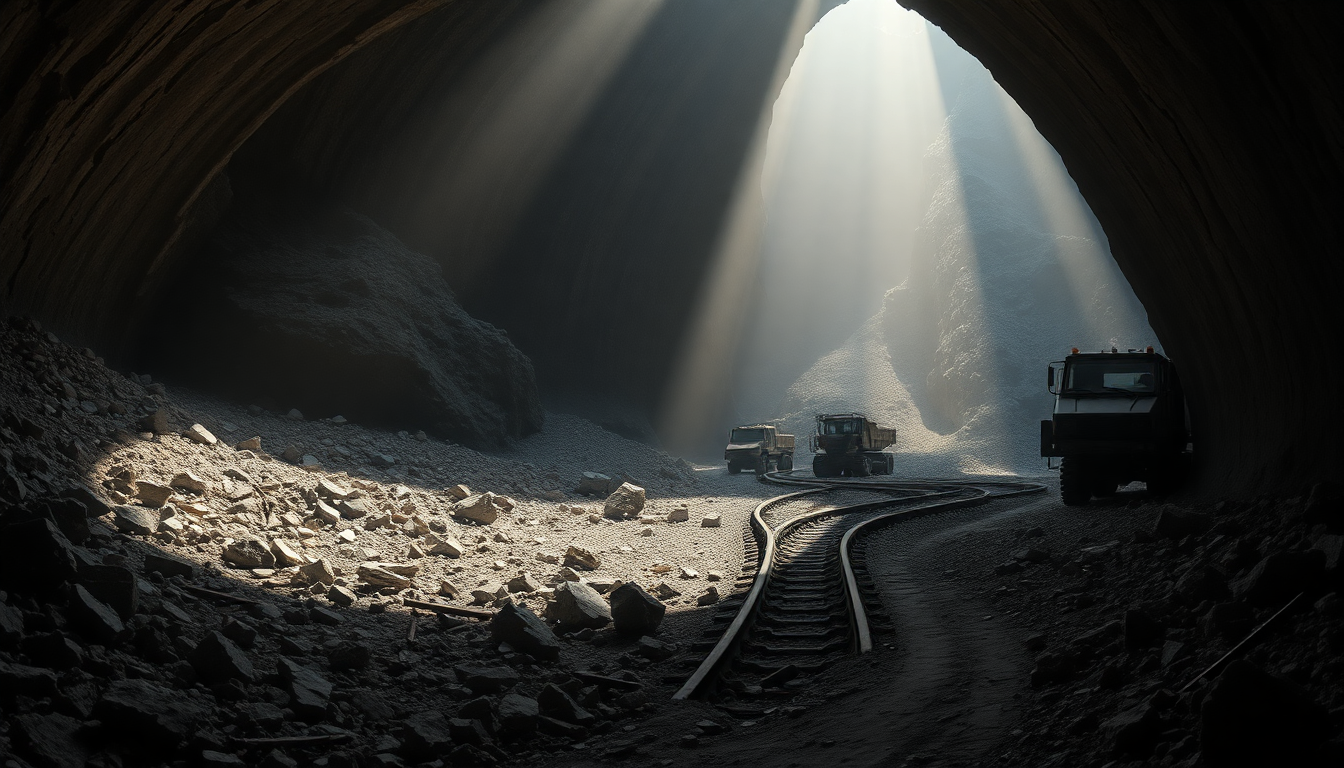
On a fateful Thursday evening, a seismic event registering a magnitude of 4.2 triggered a cave-in at the El Teniente mine, located in Rancagua, about 100 km south of Santiago. The aftermath was tragic: one miner perished immediately, and four others were left trapped beneath the rubble. Despite extensive search and rescue efforts involving over 100 personnel, the recovery of all five workers confirmed the worst fears for their families and the mining community. How do we reconcile the risks that come with such necessary industries?
Regional prosecutor Aquiles Cubillo voiced his profound sorrow over the incident, emphasizing the tragic outcome of the search. The workers were located more than 900 meters underground when the collapse occurred, prompting the use of advanced equipment to locate them. In light of these events, all mining operations at El Teniente have been temporarily suspended while investigations into the cause of the collapse are underway. What changes will emerge from this heart-wrenching scenario?
Impact on the Mining Industry
Chile is recognized as the world’s leading copper producer, accounting for nearly a quarter of the global copper supply. Just last year, the El Teniente mine produced around 356,000 tonnes of copper, making it a crucial player in the nation’s economy. The tragic loss of life serves as a stark reminder of the inherent dangers miners face daily and the ongoing challenges within the industry. Isn’t it sobering to think that the very resources we rely on come at such a cost?
Even though Chile’s mining sector is considered one of the safest globally—with a reported death rate of just 0.02 percent in the past year—this incident underscores the constant threat posed by natural disasters, particularly in a country situated in the seismically active ‘Ring of Fire’. According to mine management, Andres Music, the collapse at El Teniente marks one of the most significant challenges the mine has encountered in decades. How can we better safeguard those who work in such perilous conditions?
Lessons and Future Considerations
Operational since the early 1900s, the El Teniente mine boasts extensive underground tunnels exceeding 4,500 km in length. The recent tragedy highlights an urgent need for rigorous safety measures and robust contingency plans for seismic events in mining operations. This incident will likely catalyze a reevaluation of existing protocols and spur the adoption of more advanced safety technologies aimed at protecting workers in the future. What innovations can we expect to see in the wake of such a disaster?
As investigations proceed, the aim will be to uncover the precise cause of the collapse and to ensure that such a tragedy does not happen again. The mining community is in mourning for its lost workers, and their sacrifice serves as a powerful reminder of the need for enhanced safety measures throughout the industry. It’s time for action to ensure that those who contribute to one of Chile’s most vital economic sectors are better protected. Shall we rise to the challenge?