
Table of Contents
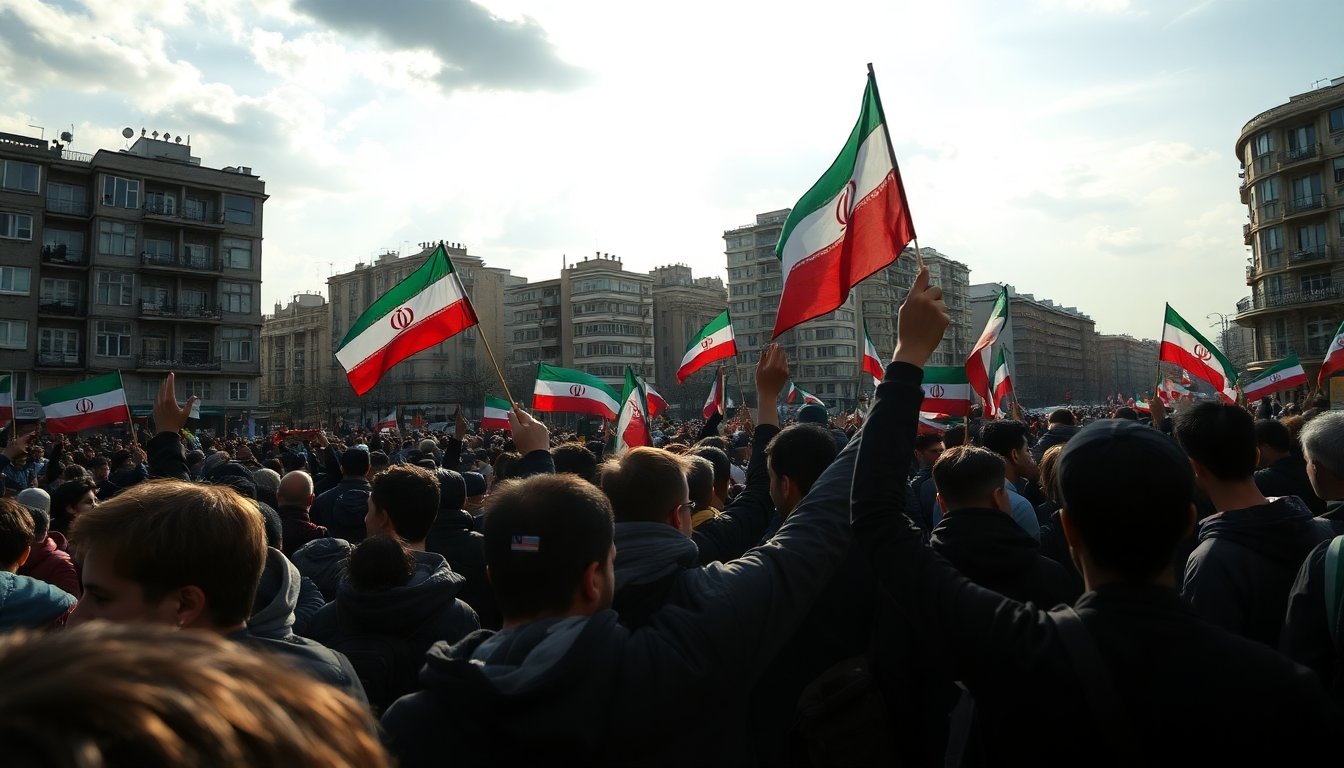
The ongoing protests in Iran, primarily driven by younger generations, highlight a profound struggle against a regime that has long suppressed freedom and economic opportunity. Generation Z, influenced by a more interconnected world, is increasingly vocal about their discontent regarding a stagnant economy and strict social restrictions. This uprising signifies a cultural shift and a demand for fundamental change.
These protests in Iran mirror broader global trends. Young people worldwide are expressing dissatisfaction with the status quo, indicating a collective yearning for change. The Iranian protests exemplify this phenomenon, showcasing a resilient and vocal generation.
The youth’s role in the protests
Young Iranians have emerged as pivotal players in the protests, leveraging social media to amplify their voices and mobilize support. The impact of technology has been significant; platforms like Twitter and Instagram serve as essential tools for organizing and sharing information about the protests. This digital landscape enables youth to connect and articulate their grievances on a global scale, emphasizing the injustices they face.
Economic hardships fueling unrest
The protests unfold against a backdrop of dire economic conditions worsened by international sanctions. In recent years, Iran’s GDP growth has sharply declined, stressing the labor market. With inflation exceeding 42% in, citizens’ purchasing power has diminished, particularly affecting vulnerable groups such as women and youth. Although some economic growth is evident, the benefits are unevenly distributed, fostering disillusionment among younger demographics.
Statistics paint a troubling picture: less than 40% of working-age individuals are employed, with women facing even greater challenges in the labor market. Youth unemployment remains alarmingly high, particularly among recent graduates. This lack of opportunity has instilled a sense of urgency among young protesters, who demand accountability and reform.
A global phenomenon of youth activism
The unrest in Iran is part of a larger movement; it resonates with similar protests in countries such as Bangladesh, Nepal, and Sri Lanka. In these regions, young activists are also taking to the streets to express frustration with systemic inequalities and governance failures. The interconnectedness of these protests highlights the global nature of youth discontent.
Decentralized leadership and collective action
A notable feature of these movements is their leaderless structure. The absence of a singular figurehead allows for a more decentralized approach, with groups of young activists organizing spontaneously. This model fosters an environment where ideas can flow freely, enabling diverse voices to contribute to the discourse. The focus has shifted from individual leaders to collective action, promoting greater participation and inclusivity.
In this context, social media has been crucial in shaping the narrative. The ability to share experiences, strategies, and solidarity online empowers young people to challenge the narratives imposed by oppressive regimes. Social media has become a catalyst for change, fostering community among activists.
Consequences of the uprising
The human cost of these protests has been devastating. Reports indicate that many young protesters have lost their lives due to state security forces’ actions. The Iranian government has employed brutal tactics to suppress dissent, revealing the lengths to which authorities will go to maintain control. Families of victims have bravely shared their stories, resisting attempts by the regime to manipulate the narrative.
As the protests persist, the resilience of Iran’s youth is evident. Their struggle extends beyond immediate economic grievances; it encompasses a deeper desire for social justice and freedom. The commitment of young Iranians to fight for change serves as a powerful reminder of the potential for transformation, even in the most oppressive environments.
These protests in Iran mirror broader global trends. Young people worldwide are expressing dissatisfaction with the status quo, indicating a collective yearning for change. The Iranian protests exemplify this phenomenon, showcasing a resilient and vocal generation.0