
Table of Contents
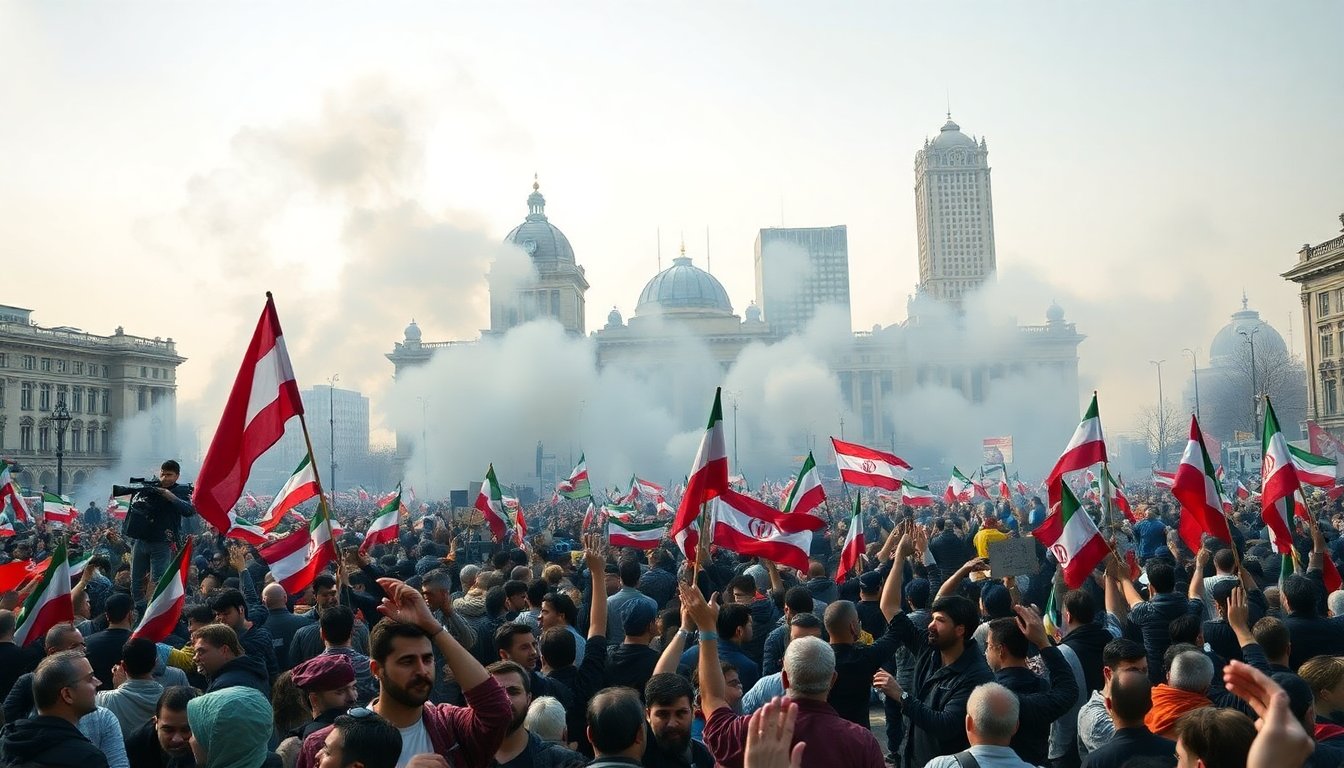
The streets of Iran are filled with defiance as citizens protest against oppressive government measures. In a climate of fear, where authorities have implemented strict measures to stifle dissent, ordinary people are taking to the streets to demand change. These protests, characterized by solidarity and resilience, are emerging despite a significant governmental blackout on communication and information.
Recent events have seen crowds gather in major cities such as Tehran, Isfahan, Mashhad, and Tabriz, igniting a wave of demonstrations that reflect deep-seated frustrations with the ruling regime. Eyewitness accounts reveal scenes of chaotic defiance, with protesters blocking roads and confronting security forces while chanting slogans that resonate with the spirit of resistance.
Protests intensify amid government crackdowns
In Tehran, the heart of the unrest, reports confirm that citizens have regrouped after dark in various neighborhoods. Eyewitnesses describe moments of tension where demonstrators, emboldened by their shared anger, clash with security forces, chanting phrases such as “Death to the dictator” and “Neither Gaza nor Lebanon, my life for Iran.” The atmosphere buzzes with urgency as honks from cars serve as a collective cry of rebellion against the regime.
Voices from Isfahan and Mashhad
In Isfahan, protests took a passionate turn as crowds raised their voices against Supreme Leader Ali Khamenei, proclaiming, “Khamenei is a murderer, his rule is illegitimate.” This sentiment echoed in Mashhad, where demonstrators filled the streets, chanting, “This is the last battle, Pahlavi will return.” Such calls reflect a longing for change and an end to the current regime’s rule.
As unrest spread, videos from Tabriz showcased protesters marching defiantly amidst the sound of gunfire nearby. Other footage depicted demonstrators dismantling surveillance cameras and constructing makeshift barricades, a testament to their determination to reclaim their streets.
Government responses and escalating tensions
The Iranian government has responded to these protests with increasing severity, issuing threats and tightening security measures. Supreme Leader Khamenei, in a televised statement, warned of dire consequences for those who defy the regime, stating that historical tyrants have ultimately faced downfall. He emphasized that the Islamic Republic, established through sacrifice, would not yield to what it calls sabotage.
Tehran’s public prosecutor warned that individuals accused of arson or clashes with security forces would face severe charges, including moharebeh, an offense punishable by death. The rhetoric from government officials has shifted towards portraying protesters as armed insurgents, further intensifying the crackdown.
Calls for unity from opposition leaders
Amidst the turmoil, exiled Prince Reza Pahlavi has emerged as a vocal supporter of the protests. He has urged demonstrators to maintain their momentum, pushing into central areas and advocating for strikes in crucial sectors such as transportation and energy. Pahlavi believes that the protests have unveiled significant vulnerabilities within the security apparatus, calling on military personnel to reconsider their loyalties in light of the unrest.
His calls for solidarity and action reflect a growing sentiment among Iranians that change is not only possible but necessary. The ongoing protests have captured international attention, with human rights organizations and foreign governments condemning the government’s use of force and calling for the restoration of communications.
International response and implications
The global community is closely monitoring the situation in Iran, expressing concern over the violent suppression of peaceful protests. UN human rights chief Volker Türk has called for independent investigations into the reported violence, while European leaders have demanded restraint from Iranian authorities.
Recent events have seen crowds gather in major cities such as Tehran, Isfahan, Mashhad, and Tabriz, igniting a wave of demonstrations that reflect deep-seated frustrations with the ruling regime. Eyewitness accounts reveal scenes of chaotic defiance, with protesters blocking roads and confronting security forces while chanting slogans that resonate with the spirit of resistance.0
Recent events have seen crowds gather in major cities such as Tehran, Isfahan, Mashhad, and Tabriz, igniting a wave of demonstrations that reflect deep-seated frustrations with the ruling regime. Eyewitness accounts reveal scenes of chaotic defiance, with protesters blocking roads and confronting security forces while chanting slogans that resonate with the spirit of resistance.1