
Summary
Five European governments—Britain, France, Germany, Sweden and the Netherlands—have jointly pushed the Navalny case back into the international spotlight. On February 14 they published a coordinated statement saying independent laboratory tests on material smuggled out of Russia detected traces of epibatidine, a rare and highly potent alkaloid originally identified in poison-dart frogs. The five states say the finding raises serious questions under the Chemical Weapons Convention and have notified the OPCW for a technical assessment.
What the tests show (and don’t)
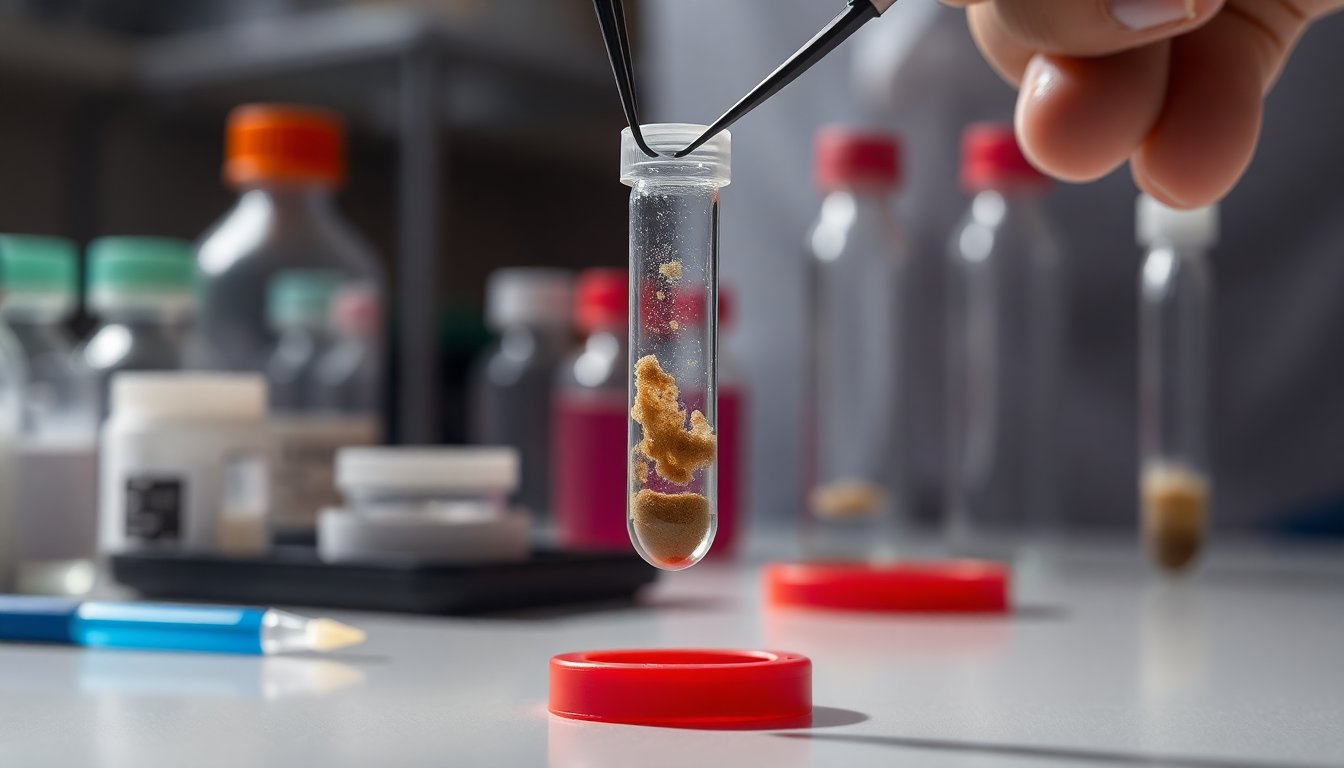
Multiple accredited labs report matching analytical signatures consistent with epibatidine: mass-spectrometry peaks, retention times and reference-spectrum matches. Testing used standard forensic techniques—GC–MS and related confirmatory methods—and was carried out with documented chain-of-custody and inter-laboratory comparisons, according to the briefing papers seen for this investigation.
At the same time, the records flag important caveats. The concentrations reported are low and could be consistent with environmental contamination; sample matrices and handling pathways leave room for alternative explanations; and full raw datasets, chromatograms and validation files have not been published. The government statements do not assign blame. Rather, they treat the laboratory confirmations as grounds for multilateral review under the CWC, not as definitive proof of a state-ordered attack.
How the case unfolded
Medical notes and field logs sketch a clear sequence: acute neurological symptoms, rapid respiratory compromise, early clinical sampling and sealed transfers to domestic forensic units. Local initial screens for common nerve agents and organophosphates returned negative results. Selected aliquots were then sent to independent international labs for confirmatory analysis, which produced concordant findings and prompted formal diplomatic notifications.
Actors and access
Three groups dominate the story: the medical teams who documented the illness and collected samples; the forensic laboratories that ran blind confirmatory tests; and the authorities who controlled the detention facility and initial evidence. Tension emerges in the papers between forensic teams pressing for unfettered access and custodial officials invoking security constraints. Navalny’s family provided testimony included in the diplomatic packet; Russian authorities maintain the death was natural and dispute aspects of the evidence and sample provenance.
Transparency gaps and why they matter
Several labs declined to release full records, citing political sensitivities. That withholding matters: without raw chromatograms, spectra, method-validation reports and intact, time-stamped chain-of-custody logs, independent experts cannot fully validate the results. Missing timestamps and unclear custody entries for key transfers are repeatedly noted in the files and weaken the evidentiary weight of summary conclusions. In practical terms, opaque documentation makes attribution harder and narrows the options for legal recourse.
Legal and diplomatic stakes
If an OPCW technical determination finds the substance falls within the scope of the CWC, established consultative and response mechanisms could follow. The governments involved have signalled they will keep all diplomatic and policy levers on the table, though legal advisers in the papers caution against premature attribution without airtight forensic proof. Proving deliberate administration—linking a substance to an actor—will hinge on robust chain-of-custody evidence, unambiguous analytical data and a credible timeline tying exposure to access and motive.
What comes next
The immediate focus is on independent verification: the OPCW’s technical assessment, further confirmatory testing by member-state labs, and potential requests from neutral forensic bodies for re-analysis if access is granted. Expect diplomatic démarches, requests for unredacted medical records and possibly legal efforts to compel disclosure where labs or intermediaries resist. Observers anticipate a series of technical reports first; only after forensic results converge will governments weigh coordinated policy or legal responses. The laboratory summaries are notable, but the unanswered questions about sample custody and the absence of full raw data leave crucial gaps. How those gaps are closed—through OPCW analysis, independent re‑tests and fuller transparency—will determine whether scientific findings can be translated into legal accountability or sustained international action.