
Lead
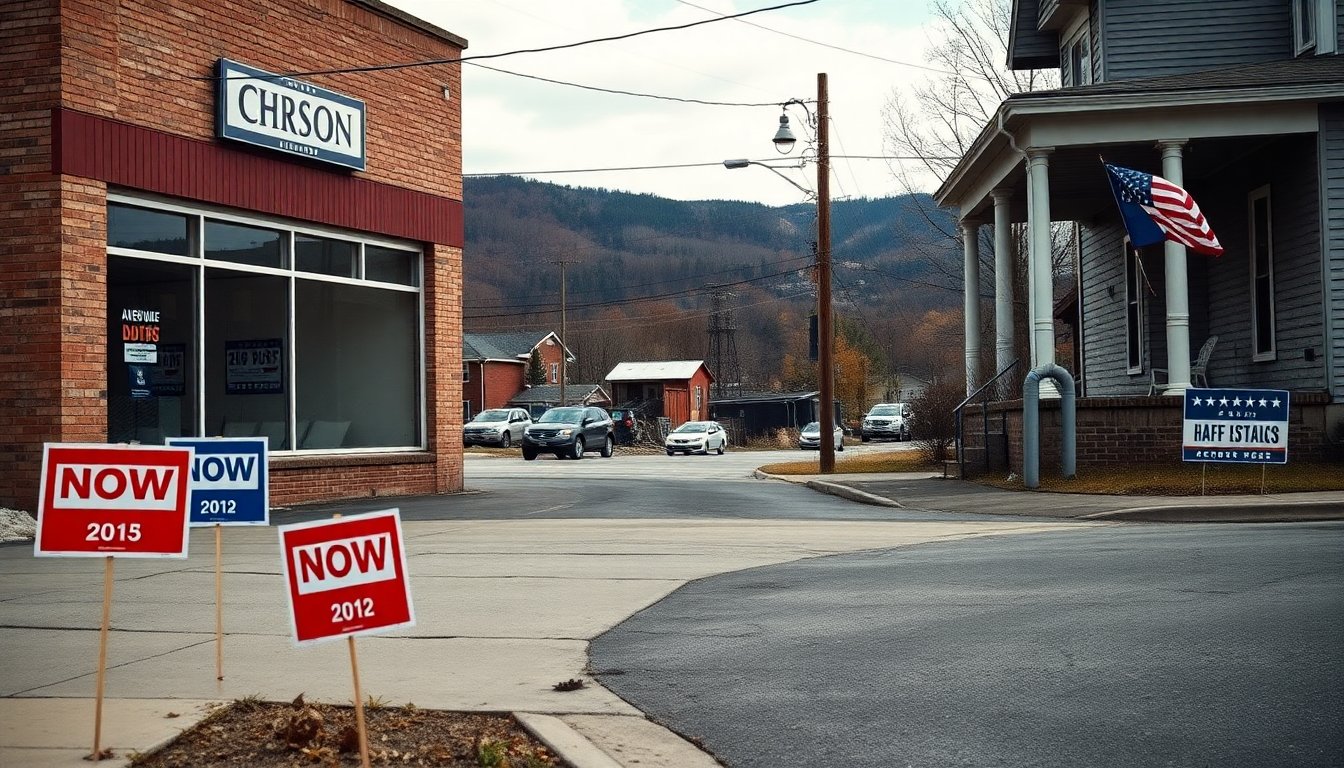
Northeastern Pennsylvania—long seen as a reliable pocket of MAGA support—is showing early signs of political wobble as President Donald Trump prepares to address the nation on February 24, 2026. Local returns, voter-registration rolls and door‑knock reports suggest softer enthusiasm in some communities once considered solidly conservative, and a more energized Democratic ground game in others.
What’s happening, in short
– Where: coal towns, small cities and exurban counties north of Philadelphia.
– When: momentum is shifting now, with a key test coming after the president’s Feb. 24, 2026 address.
– Who’s moving: younger voters, recent movers, some small‑business owners and service workers; older blue‑collar men largely remain Republican-leaning.
– Why it matters: small changes in turnout and persuasion could flip tight state and local races.
Why the coalition is fraying
A coalition that helped deliver narrow GOP advantages in recent cycles is showing fault lines. Campaign volunteers and county officials report lower turnout at rallies and more undecided voters in swing precincts. Three concrete forces are at work:
1) Lingering economic pain. Communities dependent on manufacturing and local services continue to struggle with stagnant wages, plant closures and rising household costs. For many voters, grocery bills and property taxes bite harder than national trade policy lines.
2) Targeted Democratic outreach. Local organizers, unions and grassroots groups have stepped up registration and retail campaigning—door‑to‑door canvassing, school‑board messaging and neighborhood events—which has translated into gains in some municipal and county contests.
3) Demographic change. Younger adults, veterans and people who recently moved into these precincts now make up a larger share of the electorate. Their priorities—healthcare access, education, affordable housing and steady local jobs—often differ from those of older, long‑time residents.
Voices from the ground
Small business owners capture the sentiment in simple terms: promises didn’t translate into more customers or lower input costs. One restaurateur who supported the president last cycle said weekly receipts and rising rent told a different story than campaign rhetoric. Those practical metrics—revenue, foot traffic, staffing—shape political judgments as surely as speeches do.
How campaigns are adjusting
– Democrats: leaning into retail politics—knocking on doors, turning school and kitchen‑table issues into campaign themes, and mobilizing newly registered voters.
– Republicans: relying more on national messaging and high‑profile rallies, with some concern among strategists that heavy nationalization could leave local gaps.
Political strategists worry that if core supporters assume national momentum is enough and dial back on voting or donations, margins in close districts could shift. Conversely, if Democrats sustain their organizing after recent local wins, they could consolidate gains.
National context and the upcoming address
National indicators complicate the picture: slipping approval ratings in some polls, legal setbacks affecting trade policy, and Democratic success in several recent contests have reduced the easy narrative of invulnerability. The Feb. 24, 2026 address is therefore more than ceremonial—it’s a chance to shore up wavering supporters and boost small‑donor and volunteer activity, or it could simply postpone hard choices for party officials.
What’s happening, in short
– Where: coal towns, small cities and exurban counties north of Philadelphia.
– When: momentum is shifting now, with a key test coming after the president’s Feb. 24, 2026 address.
– Who’s moving: younger voters, recent movers, some small‑business owners and service workers; older blue‑collar men largely remain Republican-leaning.
– Why it matters: small changes in turnout and persuasion could flip tight state and local races.0
What’s happening, in short
– Where: coal towns, small cities and exurban counties north of Philadelphia.
– When: momentum is shifting now, with a key test coming after the president’s Feb. 24, 2026 address.
– Who’s moving: younger voters, recent movers, some small‑business owners and service workers; older blue‑collar men largely remain Republican-leaning.
– Why it matters: small changes in turnout and persuasion could flip tight state and local races.1
What’s happening, in short
– Where: coal towns, small cities and exurban counties north of Philadelphia.
– When: momentum is shifting now, with a key test coming after the president’s Feb. 24, 2026 address.
– Who’s moving: younger voters, recent movers, some small‑business owners and service workers; older blue‑collar men largely remain Republican-leaning.
– Why it matters: small changes in turnout and persuasion could flip tight state and local races.2