
Table of Contents
Escalation of conflict in Ukraine as energy infrastructure faces new attacks
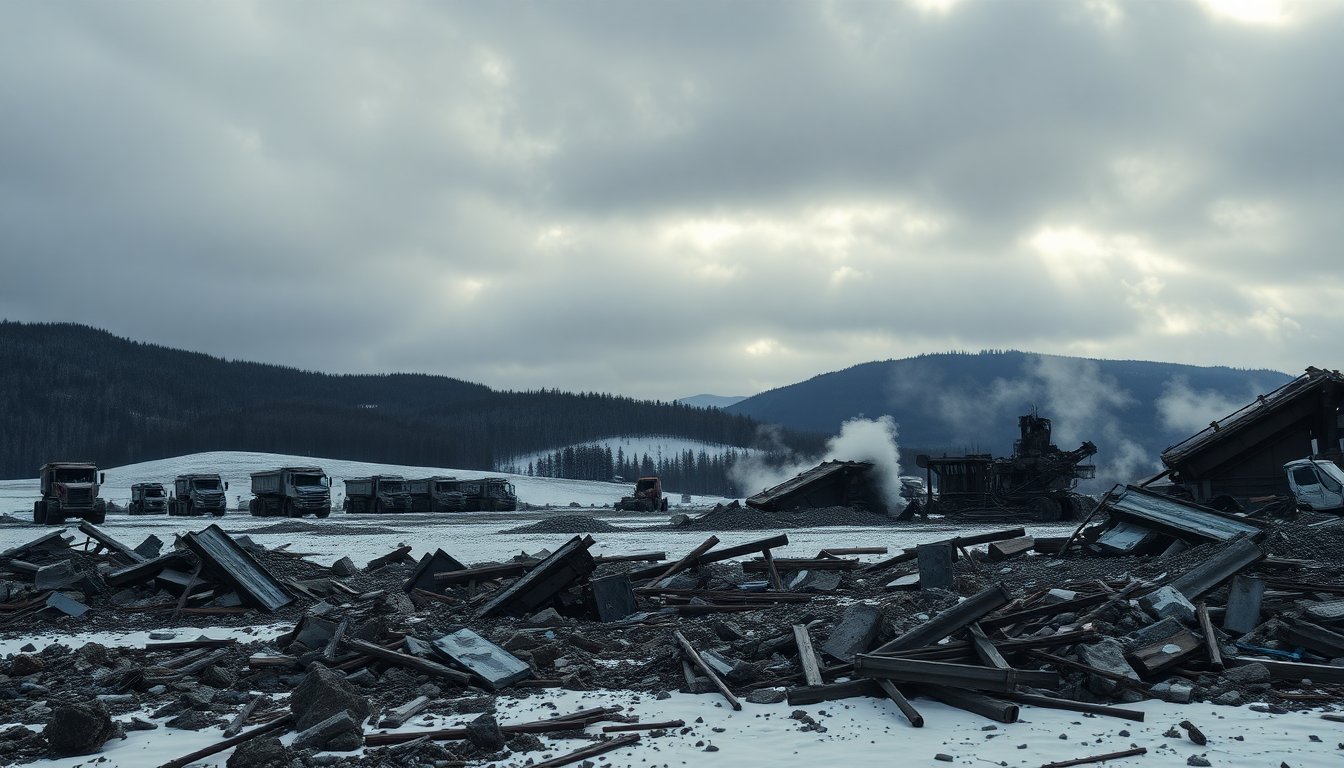
The conflict between Russia and Ukraine has intensified recently, targeting critical energy infrastructure. A recent strike on coal mining facilities tragically resulted in the deaths of at least twelve miners, as confirmed by DTEK, Ukraine’s largest private energy provider. This incident highlights the severe challenges Ukraine faces amid ongoing warfare and harsh winter conditions.
The impact of Russian attacks on Ukraine’s energy infrastructure
As hostilities continue, the energy sector has emerged as a key target for military operations. Recent missile and drone strikes have inflicted significant damage on critical infrastructure essential for heating and electricity. This has left millions of Ukrainians struggling for reliable access to these vital services. The situation worsens as temperatures drop, intensifying the humanitarian crisis and highlighting the urgent challenges faced amid ongoing conflict.
Casualties and destruction
The recent assault on coal mining facilities underscores the profound human cost of the ongoing conflict. Reports indicate casualties among miners, eliciting strong condemnation from both Ukraine and the international community. Each lost life is not just a statistic; it signifies shattered families and devastated communities enduring relentless violence that shows no signs of abating.
International responses and calls for peace
As military actions escalate, various international leaders are pursuing diplomatic efforts to mitigate the situation. Notably, former U.S. President Donald Trump has called for a ceasefire, emphasizing the dire humanitarian conditions. He urged Russian President Vladimir Putin to reconsider military operations, particularly given the severe cold affecting the region.
Challenges in achieving a ceasefire
Despite ongoing diplomatic efforts, the situation on the ground remains complex. The Russian government continues its military operations, even while publicly discussing possible pauses in aggression. This gap between words and actions raises concerns about the authenticity of peace initiatives and the motivations behind the conflict. The stark difference between the calls for peace and the persistent violence presents a troubling reality.
Looking ahead: The future of Ukraine’s energy security
As the conflict continues, Ukraine is grappling with the challenge of protecting its energy infrastructure and ensuring reliable energy access for its citizens. Ongoing attacks jeopardize not only immediate safety but also the long-term sustainability of the nation’s energy resources. In this critical context, it is essential for the international community to maintain vigilance and support for Ukraine, facilitating humanitarian aid to those most affected by the crisis.
Moreover, enhancing Ukraine’s energy resilience necessitates more than just immediate assistance; it requires strategic planning for the future. Investments in renewable energy sources and the development of robust infrastructure will be vital in diminishing dependence on vulnerable sectors currently facing threats.
The situation in Ukraine remains critical, particularly within the energy sector, which is grappling with significant challenges stemming from ongoing Russian aggression. As calls for peace resonate worldwide, the conflict’s reality continues to demand urgent attention and action from the international community. The implications of this crisis extend beyond immediate concerns, affecting global energy markets and geopolitical dynamics. A concerted effort is necessary to address these challenges and support Ukraine’s quest for stability and resilience.