
Table of Contents
The geopolitical landscape of the Gulf region is facing renewed scrutiny as tensions rise between the United States and Iran. Recent maritime incidents have brought attention to the fragile state of international shipping routes, particularly in the strategically vital Strait of Hormuz. These developments occur alongside ongoing diplomatic efforts aimed at addressing the persistent issues between the two nations.
Recent maritime confrontations
On Tuesday, a series of provocative actions unfolded in the Gulf, capturing the focus of military analysts and policymakers. Iranian gunboats reportedly attempted to intercept a U.S.-flagged tanker, the Stena Imperative. In a separate incident, a U.S. fighter jet shot down an Iranian drone that was approaching the aircraft carrier USS Abraham Lincoln. These events highlight the region’s volatility, with both sides closely monitoring each other’s movements.
Details of the tanker incident
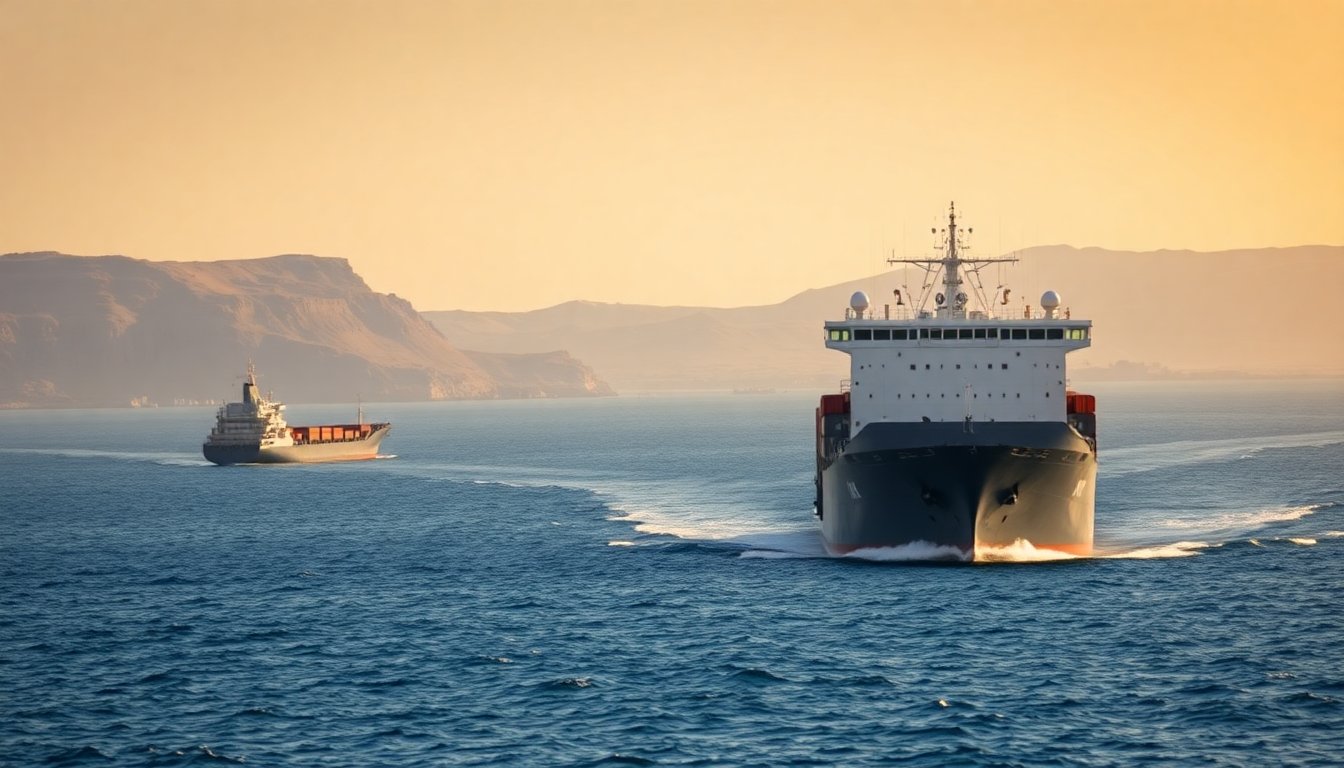
The Stena Imperative, part of the U.S. Tanker Security Program, was navigating the Strait of Hormuz when it encountered two Iranian gunboats and a drone from the Islamic Revolutionary Guards Corps. Reports indicated that the Iranian vessels attempted to board the tanker, demanding that it halt its engines. However, the tanker continued its journey, supported by the USS McFaul. The U.S. Central Command confirmed that the situation was de-escalated through the rapid response of its naval forces, ensuring the tanker proceeded safely.
Implications of military exercises
The recent military maneuvers by Iranian forces occurred shortly after a two-day live-fire exercise conducted by the Islamic Revolutionary Guard Corps (IRGC) in the same vicinity. The U.S. government had previously issued warnings to Iran regarding the necessity of conducting such exercises safely, highlighting the importance of not jeopardizing international maritime navigation. U.S. Central Command underscored the need for professional conduct in international waters, stating that any reckless actions could lead to unintended consequences.
Warnings from U.S. officials
In response to recent incidents, U.S. officials have raised serious concerns about Iran’s activities in the Gulf. Captain Tim Hawkins, a spokesperson for Central Command, described the harassment by Iranian forces in international waters as intolerable. He highlighted that these actions pose significant risks of escalation, threatening not only regional stability but also increasing the chances of miscalculations and collisions between military and commercial vessels.
Diplomatic efforts amid rising tensions
Despite escalating tensions, diplomatic channels remain active, with indirect talks set to occur in Türkiye. This presents a vital chance for both nations to address their differences and pursue de-escalation. The U.S. administration, under President Donald Trump, has indicated a readiness to engage in dialogue while maintaining a strong military presence in the region. Trump has emphasized that the U.S. is prepared to take action if necessary but prefers a peaceful resolution.
The mixed signals from the U.S. government, along with Iran’s assertive military stance, create a complex dynamic that both sides must navigate carefully. The potential for conflict remains significant, with each incident serving as a reminder of the fragile balance of power in the Gulf.
As the situation evolves, analysts will closely monitor the interactions between U.S. and Iranian forces. The outcomes of these encounters could significantly impact the Gulf region, global oil markets, and international security.