
Table of Contents
“`html
In the lead-up to Myanmar’s upcoming elections, the military junta has escalated its campaign of violence, with air strikes targeting critical infrastructure, including hospitals. These actions are viewed as attempts to consolidate control over contested territories and instill fear among voters. Analysts suggest that while the situation deteriorates, major global powers remain largely passive, prioritizing their own economic interests over the humanitarian crisis unfolding in Myanmar.
Context of the crisis in Rakhine state
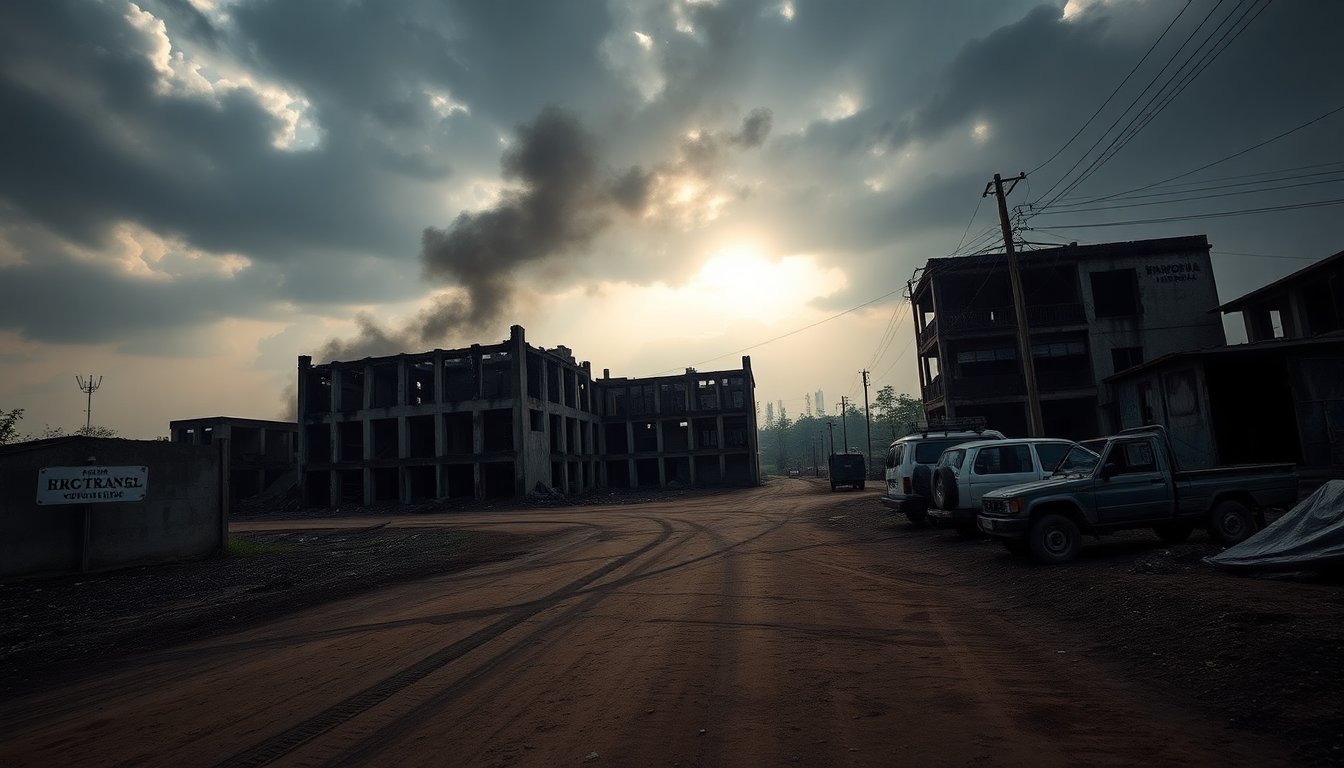
The western state of Rakhine has become a focal point of conflict since the military coup. This region is not only strategically important but also a battleground for various armed factions, including the Arakan Army (AA), which has emerged as a formidable opponent to the junta.
As the AA gains traction, the situation for civilians in Rakhine grows increasingly dire. According to reports, the humanitarian crisis has worsened, with many residents facing severe shortages of food, medical supplies, and basic necessities. The United Nations Development Programme has warned that Rakhine is on the brink of catastrophic disaster, yet the world remains largely unaware of the scale of suffering.
Impact on the Rohingya population
The plight of the Rohingya, a predominantly Muslim ethnic minority, is particularly alarming. Following military-led ethnic cleansing campaigns, approximately 650,000 Rohingya fled to neighboring Bangladesh, while around 630,000 remain in Rakhine, often confined to camps with limited access to resources.
Human rights organizations have reported ongoing violence against the Rohingya, who continue to suffer from discrimination and neglect. The conflict in Rakhine exacerbates their vulnerabilities, as fighting between the AA and the military creates an environment of uncertainty and fear.
Escalation of military actions and international indifference
In recent months, the junta has intensified its military operations, including air strikes that have resulted in civilian casualties. One of the most egregious attacks occurred on December 10, when a hospital in Mrauk-U was bombed, killing at least 30 people. This blatant disregard for civilian life raises serious questions about the junta’s commitment to international norms and humanitarian law.
Despite these alarming developments, the international community’s response has been tepid at best. Major powers appear to prioritize their strategic interests in the region, often overlooking the humanitarian implications of the junta’s actions. Analysts have criticized this inaction, pointing out that the lack of global condemnation only emboldens the military.
The humanitarian crisis deepens
The ongoing conflict has led to significant displacement, with approximately 460,000 internally displaced persons reported in Rakhine. However, local organizations claim the number could be as high as 600,000. As fighting continues, access to essential services remains a pressing challenge.
Moreover, the agricultural sector has suffered tremendously, with rice production experiencing drastic declines. Prices for staple foods have surged, creating further hardships for families struggling to meet their basic needs. The United League of Arakan (ULA), the political arm of the AA, is attempting to provide for the population amidst these challenges, but internal divisions between ethnic groups complicate their efforts.
The path forward: building trust and reconciliation
Achieving long-term peace in Rakhine will necessitate addressing the underlying tensions between the Arakanese and the Rohingya. Efforts to promote dialogue and understanding are essential for rebuilding trust. Initiatives that involve both communities in reconstruction efforts could pave the way for a more inclusive future.
Despite the bleak outlook, experts argue that fostering empathy and recognizing the shared suffering of all communities affected by the conflict is crucial. As the situation in Myanmar evolves, the hope for reconciliation hinges on the ability of local leaders to bridge divides and work towards a common goal of peace.
“`