
Table of Contents
The European Union has announced a significant financial package to help Ukraine restore its battered energy systems. On 24/02/the EU confirmed a commitment of €1 billion to repair and rebuild key parts of Ukraine’s energy infrastructure after sustained attacks. According to EU energy commissioner Dan Jørgensen, the resources are intended to address both immediate damage repairs and urgent steps to make the energy network more resilient to further shocks. This pledge arrives amid continued concerns about civilian access to electricity, heating and critical services in the war-affected regions.
The announced support emphasizes rapid restoration of damaged power lines, substations and essential generation capacity, while also aiming to reduce the risk of repeated outages. The EU framed the funding as part of a broader effort to support Ukraine’s ability to sustain vital services and protect civilians during protracted conflict. The commitment complements other international aid and technical assistance already flowing into Ukraine to address both emergency repairs and preparatory measures for reconstruction.
Where the money will go
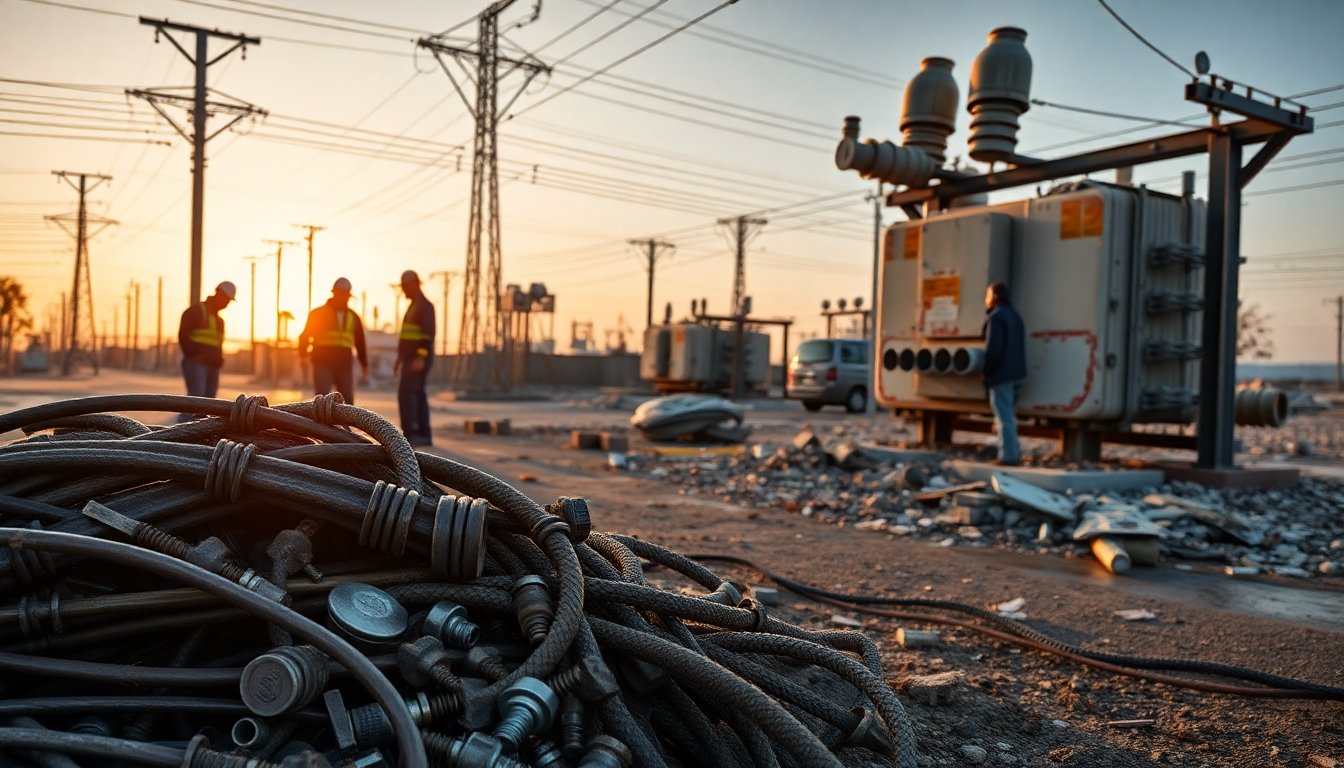
The EU’s €1 billion package is directed at several priority areas that together form the backbone of civilian energy supplies. A portion is allocated for rapid reconstruction of transmission corridors that were cut by shelling, including replacement of destroyed pylons and repair of collapsed towers. Another share will be used to fix damaged distribution networks that deliver power to homes, hospitals and schools. In addition, funds will support the rehabilitation of key substations and transformers that are central to grid stability and voltage control.
Beyond physical repairs, part of the assistance will target emergency interventions to restore capacity at damaged generation facilities, such as smaller thermal plants and renewable installations affected by the conflict. The EU intends these measures to be fast-moving: temporary solutions that restore supply quickly, paired with planning for more durable reconstruction projects. This hybrid approach aims to keep essential services running while preparing for longer-term modernization.
Strategic intent and technical priorities
The EU’s intervention is framed not only as humanitarian relief but also as strategic support to strengthen Ukraine’s energy resilience. Officials highlighted the need to harden key nodes against future attacks, integrate redundancy into the network and accelerate repairs in ways that limit the chance of cascading failures. The package therefore includes investments in grid redundancy, improved control systems and the rehabilitation of transmission corridors that can be reconfigured in emergencies.
Resilience measures
Resilience investments will aim at creating alternative routes for power flows and installing more robust protection at critical sites. Measures include upgrading control and protection systems, deploying mobile substations for rapid response and reinforcing vulnerable structures. These upgrades are designed to lower the probability of prolonged blackouts and to allow faster recovery when damage occurs. Such technical steps reflect lessons learned during the months of attacks that caused widespread outages.
Coordination and implementation
EU officials have emphasized that effective coordination with Ukrainian authorities and international partners is essential for the funds to have their intended effect. The plan calls for close cooperation with Ukraine’s energy ministry, grid operators and donor organizations to prioritize projects based on civilian need and technical feasibility. Transparent procurement and expert oversight are expected to speed up delivery while reducing the risk of waste or misallocation of resources.
Challenges and outlook
Several obstacles remain. Continued hostilities create operational risks for repair crews and delayed access to damaged sites. The complexity of replacing high-voltage infrastructure in a conflict zone increases costs and timelines, and some repairs may require secure conditions that are not immediately available. Moreover, coordinating across multiple donors and contractors raises administrative burdens that can slow implementation if not carefully managed.
Despite these hurdles, the EU’s €1 billion pledge signals a willingness to invest in Ukraine’s immediate recovery and longer-term energy stability. While the funds will not solve all problems, they can restore critical services, reduce suffering and lay the groundwork for a larger reconstruction effort. As the situation evolves, further international assistance and continued technical collaboration will be needed to fully rehabilitate Ukraine’s energy system and enhance its resilience.
By focusing on rapid repairs, resilience upgrades and coordinated implementation, the EU aims to translate the financial pledge into tangible improvements in energy access and security for Ukrainians affected by months of bombardment.