
Table of Contents
“`html
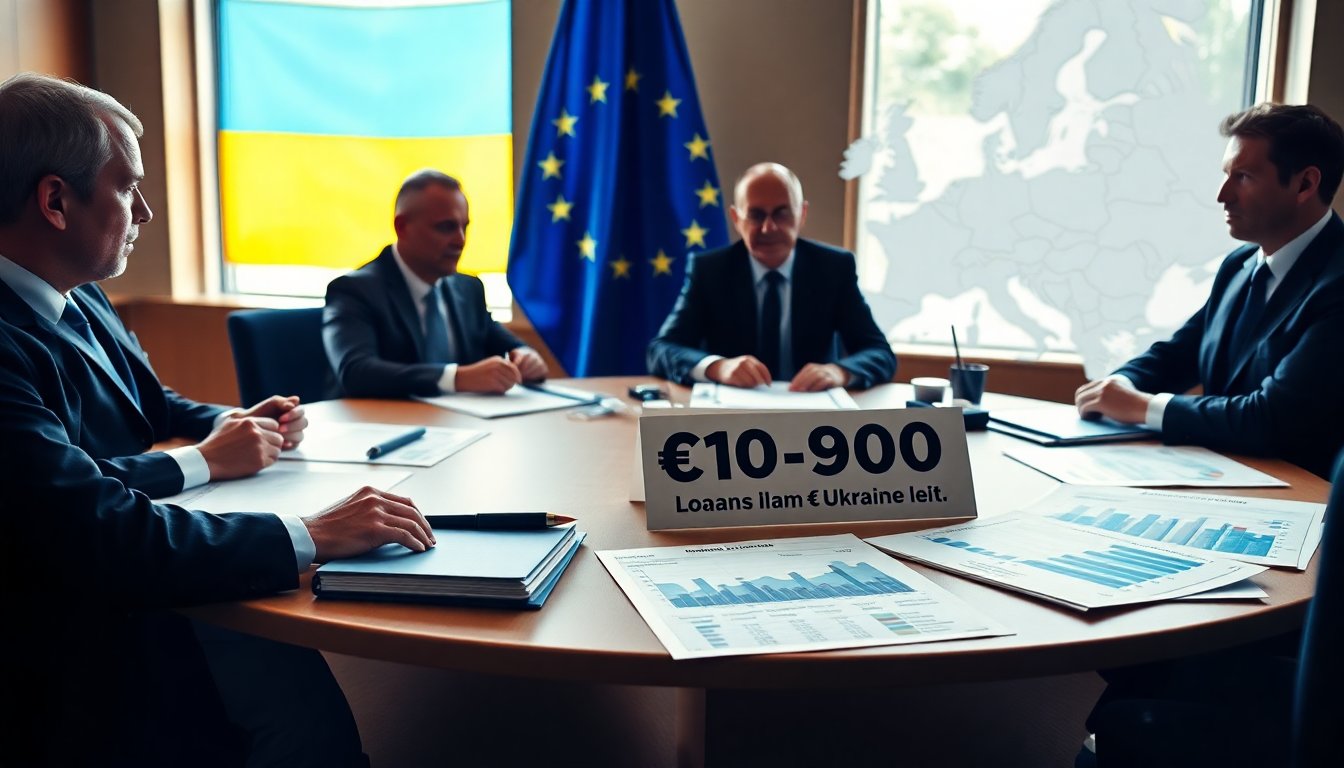
The recent summit of European Union leaders has culminated in a decisive decision to extend a €90 billion loan to Ukraine, aimed at bolstering its military and fiscal stability. This agreement comes in the wake of failed attempts to utilize frozen Russian assets for funding, highlighting the continent’s complex geopolitical landscape. As Europe grapples with the implications of the ongoing conflict in Ukraine, the need for immediate financial support has never been more pressing.
The backdrop of this financial commitment is shaped by the European Union’s struggle to unlock Russian assets that remain frozen since the onset of the war. Despite the urgency, specific member states, particularly Belgium, have expressed reservations regarding the proposal to access these funds. Their concerns underscore the broader divisions within the EU as leaders navigate the delicate balance between aiding Ukraine and managing potential repercussions from Moscow.
The financial landscape for Ukraine
Ukraine’s financial needs are escalating as the conflict with Russia shows no signs of abating. The EU’s new loan is designed to provide essential funding that can cover both military expenses and budgetary requirements. Chancellor Friedrich Merz of Germany emphasized that this financial package serves as a critical measure, stating, “This is a decisive message signaling the end of the war, as concessions from Vladimir Putin will come only when he realizes that his aggression yields no benefits.”
Loan structure and conditions
The €90 billion loan will be issued at zero interest, a strategic move to ensure that Ukraine can manage its debts effectively without adding further strain on its economy. This arrangement allows Ukraine to focus on immediate needs without the burden of interest repayments. Moreover, the repayment of this loan will be contingent upon Russia fulfilling its obligations to pay reparations to Ukraine for the damages incurred during the conflict.
By tying the loan conditions to Russia’s reparations, EU leaders are sending a clear message regarding accountability. “If Russia fails to meet its reparative duties, we will utilize the frozen Russian assets legally to cover the loan,” Chancellor Merz declared, reinforcing the EU’s commitment to supporting Ukraine while holding Russia accountable for its actions.
Challenges in accessing frozen assets
As the EU moves forward with its loan agreement, the contentious issue of accessing frozen Russian assets looms large. The assets, primarily held in Belgium’s financial institutions, present a complex challenge that some EU leaders are eager to resolve. However, Belgium’s reluctance stems from fears of potential backlash from the Kremlin, which could lead to significant financial repercussions for the nation.
Internal EU dynamics and implications
Belgium, as a founding member of the EU and host to its headquarters, finds itself in a precarious position. While there is pressure from neighboring countries to support the proposal, Belgian officials are apprehensive about the lack of guarantees regarding risk-sharing in the event of Russian retaliation. This internal division reflects a broader tension within the EU, where differing national interests complicate collective decision-making.
EU foreign policy chief Kaja Kallas noted the importance of unity among member states, stating, “We are 27 democracies, and discussions take time. We will persist until we find a solution.” The urgency surrounding Ukraine’s financial situation adds further pressure on leaders to reach a consensus before the impending funding crisis expected in early spring.
Moreover, the geopolitical ramifications of the EU’s decisions are significant, particularly as negotiations between the United States and Russia intensify. The U.S. has indicated interest in utilizing some of the frozen assets for its reconstruction efforts in Ukraine. This potential conflict of interest highlights the delicate balance the EU must maintain in navigating its relationship with both the U.S. and Russia.
Conclusion: A united front for Ukraine
In conclusion, the EU’s commitment to providing a substantial loan to Ukraine marks a pivotal moment in its response to the ongoing crisis. This financial support, coupled with a clear stance on holding Russia accountable for its actions, reflects the EU’s determination to stand by Ukraine during these challenging times. As European leaders continue to negotiate the complexities of accessing frozen Russian assets, the outcome will significantly influence Ukraine’s ability to sustain its resistance against aggression and secure its future.
“`