
Table of Contents
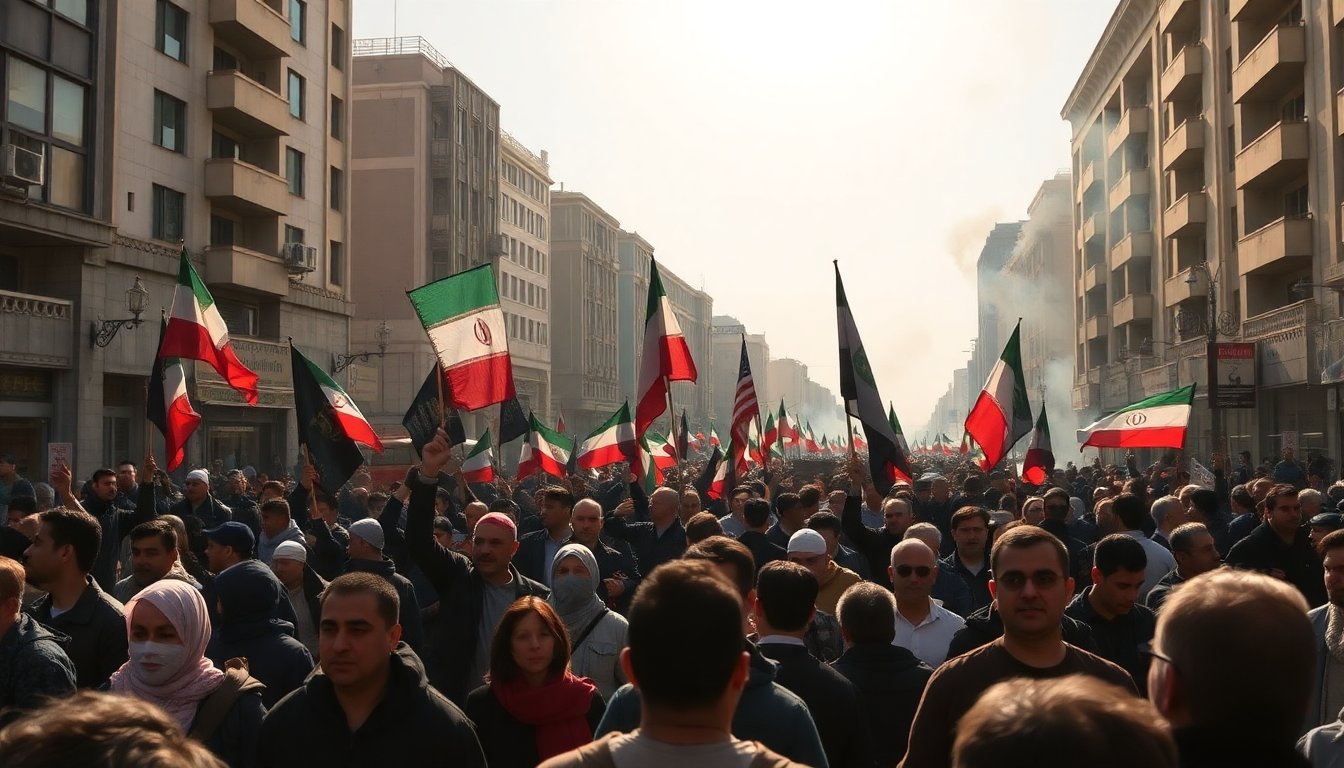
In a significant geopolitical move, the European Commission has condemned Iran’s violent response to recent anti-government protests. These demonstrations have resulted in a rising number of fatalities and prompted calls for international action against the Iranian regime. The situation has escalated, leading European leaders to consider immediate sanctions to exert pressure on Tehran.
The unrest arises from economic hardship and demands for greater freedoms. The Iranian government’s heavy-handed approach has drawn widespread criticism. As tensions mount, the European Commission’s response suggests a potential shift in diplomatic relations, indicating that the Iranian government’s actions will not go unchecked.
Context of the protests
The protests in Iran erupted due to severe economic challenges and social injustices faced by citizens. Activists have highlighted the government’s failure to address these issues, resulting in widespread frustration and unrest. In a nation where dissent often meets violence, the current protests represent a significant moment of defiance against the ruling authority.
The impact of internet blackouts
As protests intensified, the Iranian government implemented widespread internet blackouts to stifle information flow and limit demonstration organization. This tactic has become common in authoritarian regimes aiming to suppress public dissent. The loss of connectivity hampers citizens’ communication and prevents the outside world from witnessing the government’s crackdown.
By restricting access to social media and news outlets, the Iranian regime aims to control the narrative and diminish international outcry. However, this strategy often backfires, rallying further support for the opposition and drawing global attention to the plight of the Iranian people.
International reactions and future implications
The proposed sanctions from Europe are part of a broader international response to Iran’s actions. European leaders, in conjunction with allies in the United States, are deliberating the best approach to address the violent suppression of peaceful protests. The potential sanctions aim to hold the Iranian government accountable while supporting citizens’ aspirations for reform and greater freedoms.
Potential sanctions and their effects
If enacted, these sanctions could target key sectors of the Iranian economy, including oil exports and financial institutions. The objective is to create economic pressure that compels the Iranian government to reconsider its approach to dissent. However, the effectiveness of such measures is often debated, as they can also adversely affect ordinary citizens already struggling under sanctions.
Additionally, the geopolitical ramifications of these actions could escalate tensions between Iran and Western nations. The Iranian government may respond with heightened hostility, complicating diplomatic efforts and potentially leading to a cycle of escalation.
The situation remains fluid, and the European Commission’s proposal for swift sanctions reflects an urgent need to address the human rights violations occurring within Iran. As the world observes, the fate of the Iranian people hangs in the balance, and actions taken by foreign governments could significantly shape the country’s future.