
Table of Contents
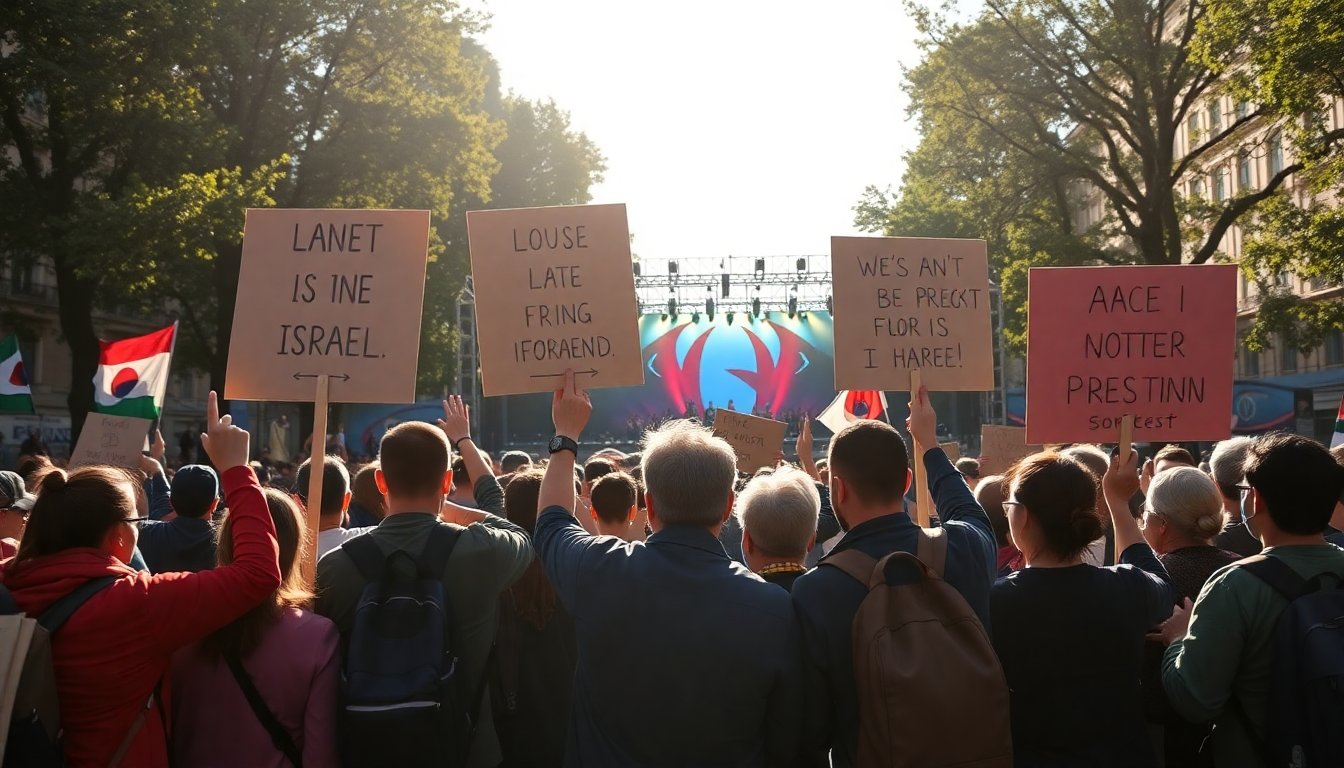
The Eurovision Song Contest, renowned for its vibrant display of music and culture, is now facing significant political controversy. Recently, Spain, Ireland, the Netherlands, and Slovenia announced their decision to withdraw from the upcoming event. This boycott arises from ongoing frustrations regarding Israel’s participation in the contest.
The European Broadcasting Union (EBU), which oversees the contest, introduced new regulations aimed at addressing concerns regarding Israel. However, these measures were deemed insufficient by the four nations advocating for a more substantial boycott. This situation reflects an increasing sentiment among certain European countries concerning Israel’s policies.
Background of the boycott
In recent years, the Eurovision Song Contest has seen a growing intersection of politics and entertainment. The four countries withdrawing from the competition are part of a broader movement advocating for a boycott due to perceived injustices associated with Israel. Their decision highlights a significant shift in public sentiment and the role of culture in political discourse.
Reasons behind the withdrawal
The motivations for this withdrawal are complex and multifaceted. These countries believe that by boycotting the contest, they can send a powerful message regarding human rights issues linked to Israel. This action signifies a demand for accountability and calls for equitable treatment of all nations involved in the contest.
Moreover, the EBU’s attempts to implement regulations to mitigate criticisms aimed at Israel did not satisfy the dissenting countries. The new rules were perceived as a half-measure, failing to address the core issues that many nations have with Israel’s policies and actions. This dissatisfaction fueled the decision to withdraw, leading these countries to adopt a firmer stance.
Impact on Eurovision and future contests
The withdrawal of these nations could have profound implications for the Eurovision Song Contest itself. With a history of fostering unity and cultural exchange, the absence of Spain, Ireland, the Netherlands, and Slovenia may disrupt the familiar dynamics of the competition. Their exit could influence other countries to reconsider their participation, potentially leading to a ripple effect.
Cultural significance
The Eurovision Song Contest has always transcended being merely a musical competition; it reflects the political climates within Europe. By choosing to boycott, these countries are making a statement about their values and challenging the contest’s organizers to reevaluate their approach to political issues. This situation raises essential questions about the intersection of art and politics in global events.
As the contest approaches, it remains uncertain how the EBU will respond to this boycott. Will they take further steps to address the concerns raised by these nations, or will they continue on the current path? The outcome could shape not only the future of Eurovision but also the relationship between culture and politics in Europe.
The decision by Spain, Ireland, the Netherlands, and Slovenia to withdraw from the Eurovision Song Contest underscores ongoing tensions surrounding Israel’s role in international events. As this situation develops, it emphasizes the importance of dialogue and the impact of cultural expressions in addressing global issues.