
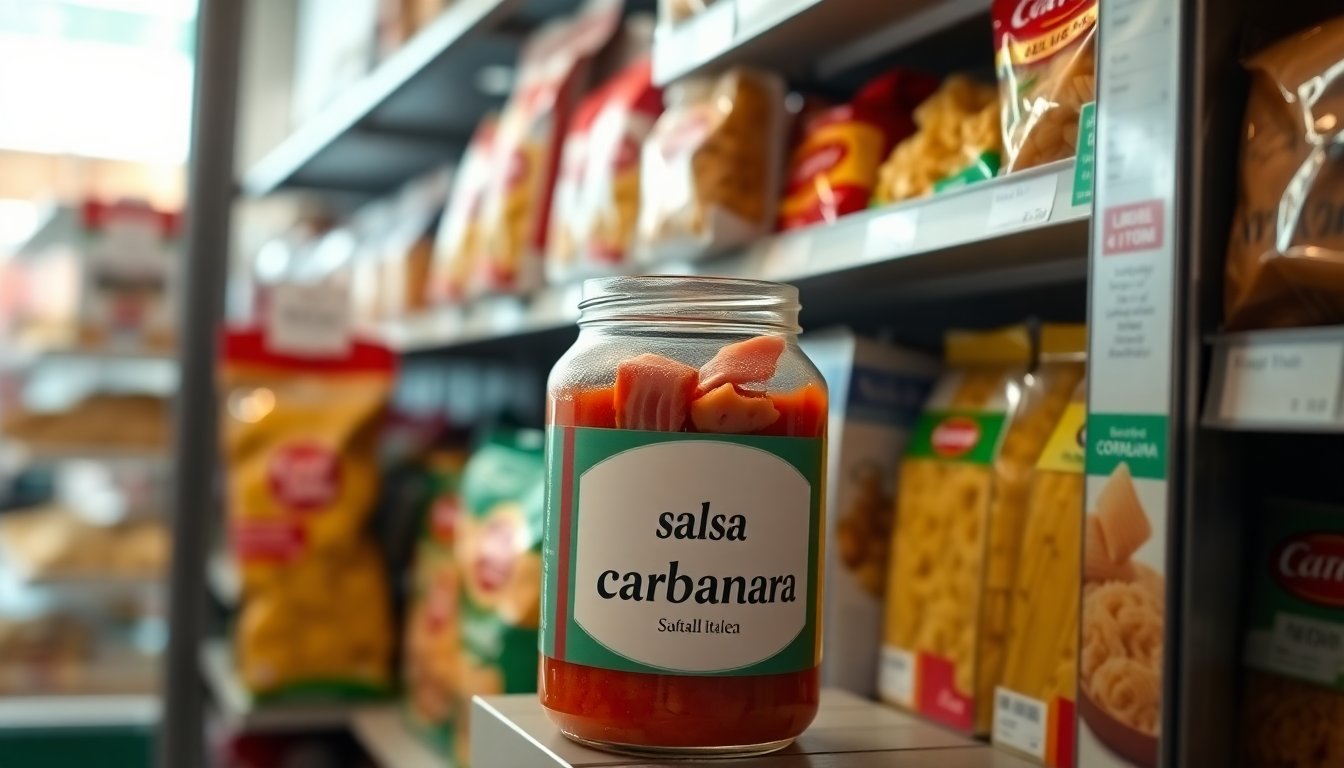
The rich tapestry of Italian cuisine has come under scrutiny following the discovery of questionable food products in the European Parliament’s supermarket. This incident has sparked considerable indignation among Italians, who take great pride in their culinary traditions. The controversy was ignited by Italy’s agriculture minister, Francesco Lollobrigida, who expressed his discontent over a jar labeled as carbonara sauce that contained pancetta instead of the traditional guanciale.
This issue transcends a mere culinary mistake; it highlights a broader concern regarding food authenticity in Italy. The term ‘Italian Sounding’ refers to products that falsely claim to be authentic Italian while lacking genuine origins. Lollobrigida’s outrage reflects a national sentiment that perceives such misrepresentations as a direct threat to Italy’s cultural heritage and economic interests.
The implications of false Italian food products
Estimates from the agricultural group Coldiretti suggest that counterfeit Italian food products cost the nation approximately €120 billion annually. This staggering figure underscores the significant economic ramifications associated with the sale of products that falsely assert Italian roots. The government is actively addressing this issue, including seeking recognition from UNESCO for Italian cuisine as an Intangible Cultural Heritage, aimed at safeguarding its authenticity and promoting its unique characteristics.
The role of the European Parliament
In a recent development, Lollobrigida’s grievances were brought to the European Parliament, where he called for an investigation into the use of Italian symbols on products that do not adhere to the standards of authentic Italian cuisine. The jars of sauce in question, including the notorious carbonara, featured the Italian flag and misleading labels, potentially violating EU regulations regarding deceptive advertising.
While these jars do not claim to be made in Italy, the use of the flag and Italian-sounding names has raised concerns. This controversy reflects a systemic issue within the food industry that prioritizes profit over authenticity, leading to a dilution of Italian culinary traditions.
The cultural significance of Italian food
The discourse surrounding Italian cuisine goes beyond taste; it is intricately linked to national identity. For many Italians, food represents not only sustenance but also their culture and heritage. The introduction of products that deviate from traditional recipes, such as jarred sauces, is perceived as an affront to this cultural legacy. The traditional carbonara, for instance, is made with guanciale, pecorino cheese, eggs, and pepper—ingredients that carry specific origins and meanings within Italian culinary practices.
Political response and public sentiment
The political ramifications of this controversy are significant, as Prime Minister Giorgia Meloni and her party, the Brothers of Italy, have voiced their discontent over the matter. They plan to formally address the European Parliament regarding these issues, emphasizing their commitment to preserving Italy’s culinary integrity. A party spokesperson stated, “No one should put carbonara in a jar.”
The public reaction has been intense, with many Italians expressing their outrage on social media. The sentiment is clear: Italians are passionate about their food and are unwilling to accept any dilution of their culinary heritage. As discussions persist, it is evident that the battle for the authenticity of Italian cuisine is ongoing.
A call for authenticity
As Italy navigates the complex landscape of food authenticity, the call for action grows louder. The government’s initiative for UNESCO recognition is part of a broader strategy to combat the Italian Sounding phenomenon and elevate the status of authentic Italian cuisine on the global stage. The ongoing dialogue surrounding these issues serves as a vital reminder of the importance of authenticity in preserving not only culinary practices but also cultural identity.


