
Lead
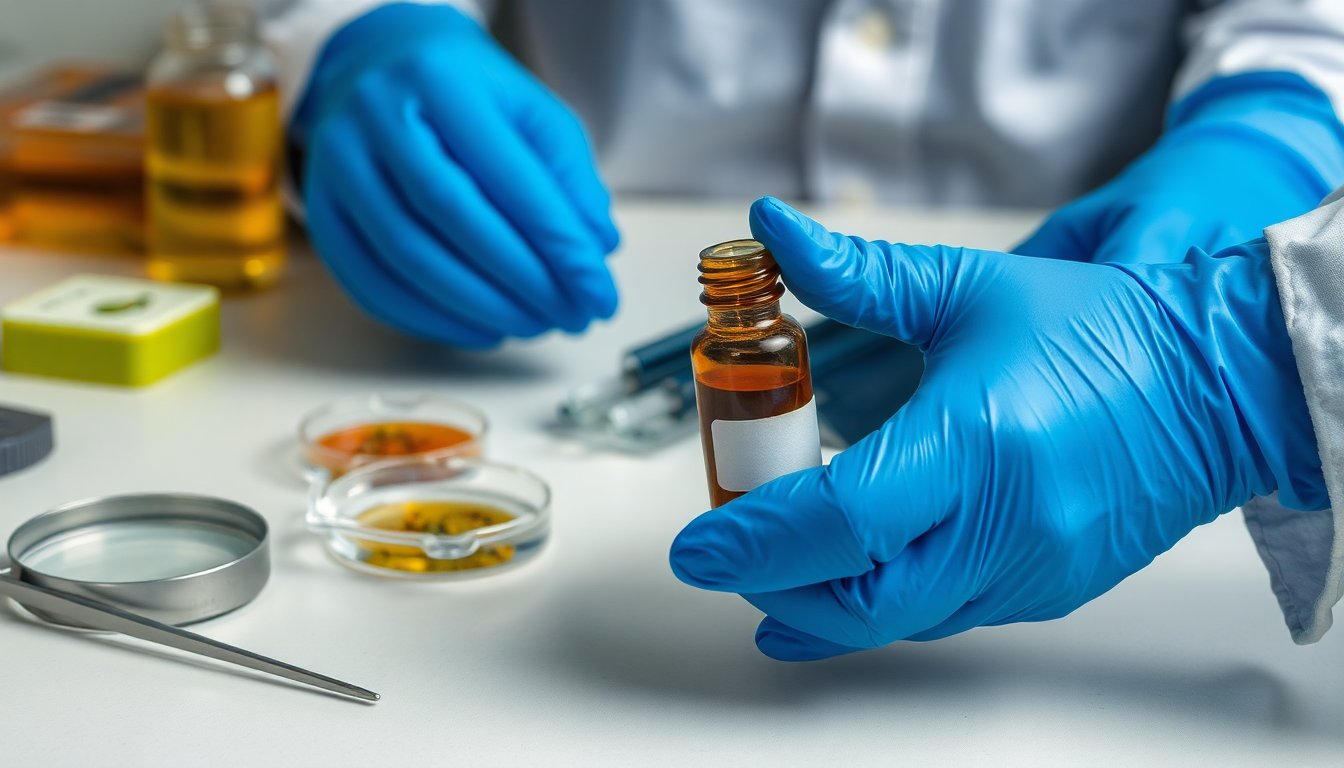
European governments have publicly concluded that a rare neurotoxin was the probable cause of Alexei Navalny’s death. Officials say laboratory analyses and intelligence assessments point to a toxin chemically linked to certain South American poison-dart frogs. The coordinated announcements have sharpened diplomatic tensions with Russia, intensified scrutiny of the treatment of political detainees, and sent ripples through markets and policy circles—though full forensic reports and independent verification are still awaited.
Snapshot (quick take)
– Governments cite converging lab results and intelligence, but have not released full forensic data or chain-of-custody documentation.
– Moscow rejects the accusations as unfounded; European capitals have demanded answers and signalled coordinated follow-up.
– Financial markets registered a risk-off response—greater demand for safe assets and higher volatility in region-sensitive instruments—but analysts stress moves were modest and driven by uncertainty rather than structural shock.
– The next decisive developments will be publication of formal toxicology findings or independent international forensic confirmation.
What officials are saying
European statements describe a multilayered case: laboratory tests reportedly found chemical markers consistent with alkaloid neurotoxins associated with some poison-dart frogs, and intelligence assessments point to access, opportunity and motive while the detainee was in state custody. Governments presenting the findings emphasize that their conclusions rest on multiple lines of evidence. Russia’s government calls the claims false and frames them as political provocation.
The forensic picture — what we know and what we don’t
– Known: Public disclosures refer to toxicological signatures and laboratory techniques such as mass spectrometry; officials describe corroboration across labs and intelligence channels.
– Unknown: Full data sets, detailed metrics, and independent chain-of-custody records have not been published. That gap is the principal reason outside scientists, lawyers and many international bodies are calling for transparent, peer-reviewed forensic reports or unrestricted international access to samples.
Diplomatic fallout
European capitals issued formal protests, summoned envoys and signalled possible coordinated responses. International organisations and human-rights groups have called for independent probes. How far diplomatic measures go—targeted sanctions, legal referrals, or other reprisals—will depend on whether authoritative forensic evidence becomes publicly available and internationally accepted.
Market reaction and economic implications
Markets reacted to the news in familiar fashion: investors sought lower-risk assets and volatility rose in instruments tied to regional exposure. Those moves reflected short-term risk aversion rather than an immediate, large-scale economic shock. The main channels through which this episode could affect the real economy are:
– Higher risk premia for banks, corporates and sovereigns with close ties to the affected jurisdiction.
– Potential disruptions in trade or energy relations if diplomatic measures escalate.
– Increased caution from insurers, lenders and supply-chain partners dealing with politically exposed counterparties.
Key variables to watch
– Publication of full, peer-reviewable toxicology reports and chain-of-custody documentation.
– Independent forensic access or third-party verification through international bodies.
– Degree of diplomatic coordination among Western states and any reciprocal measures from Russia.
– Market sensitivity if sanctions, trade restrictions or targeted financial measures are implemented.
Sectoral impacts (likely near-term)
– Banking and sovereign debt: most exposed to a rise in funding costs and widening spreads for directly linked counterparties.
– Energy and trade: vulnerable if diplomatic escalation affects contracts or supply routes.
– Insurance and logistics: re-pricing of political-risk coverage and tightened due diligence.
– Healthcare and toxicology labs: potential increase in demand for specialized assays and investigative support.
Legal and moral dimensions
The episode raises broader questions about attribution in covert incidents and how democracies should respond. Human-rights advocates push for independent investigations and transparent public reporting; some policymakers argue for early naming and deterrence, while others urge caution until the evidence is publicly scrutinised.
Outlook — what comes next
Expect headlines and market jitters to continue until authoritative forensic results are published or international forensic teams verify the findings. If evidence clearly supports a deliberate poisoning and passes independent scrutiny, diplomatic and economic responses could escalate; if the evidence remains inconclusive or unavailable, the dispute will likely fester in the diplomatic and legal arenas, sustaining uncertainty for markets and policymakers alike.
Snapshot (quick take)
– Governments cite converging lab results and intelligence, but have not released full forensic data or chain-of-custody documentation.
– Moscow rejects the accusations as unfounded; European capitals have demanded answers and signalled coordinated follow-up.
– Financial markets registered a risk-off response—greater demand for safe assets and higher volatility in region-sensitive instruments—but analysts stress moves were modest and driven by uncertainty rather than structural shock.
– The next decisive developments will be publication of formal toxicology findings or independent international forensic confirmation.0
Snapshot (quick take)
– Governments cite converging lab results and intelligence, but have not released full forensic data or chain-of-custody documentation.
– Moscow rejects the accusations as unfounded; European capitals have demanded answers and signalled coordinated follow-up.
– Financial markets registered a risk-off response—greater demand for safe assets and higher volatility in region-sensitive instruments—but analysts stress moves were modest and driven by uncertainty rather than structural shock.
– The next decisive developments will be publication of formal toxicology findings or independent international forensic confirmation.1