
Table of Contents
Europe’s evolving defense landscape
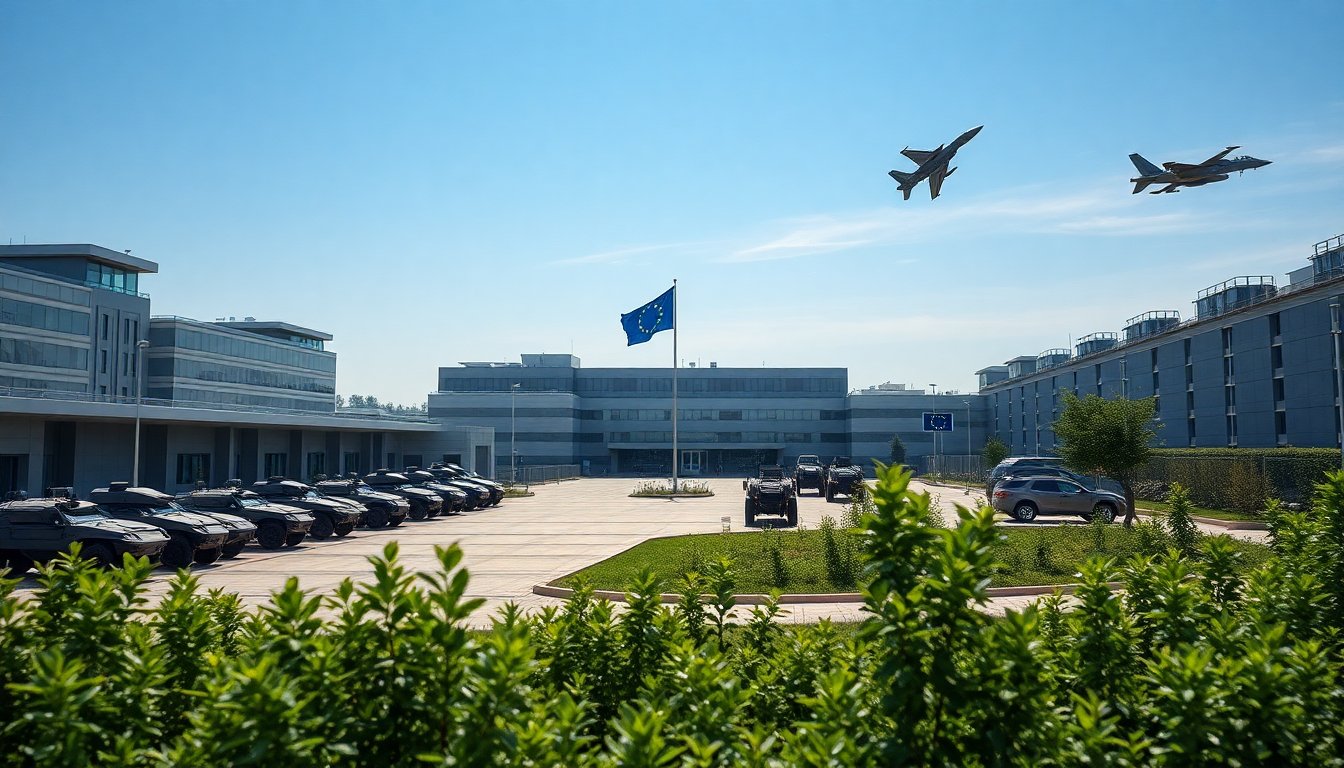
The landscape of European defense is undergoing a significant transformation as nations confront new security challenges. Recent comments by former President Trump regarding Greenland have reignited discussions about military autonomy. In response, Europe is pursuing an ambitious goal: to invest $1 trillion in its defense infrastructure. This initiative goes beyond enhancing military capabilities; it reflects a growing desire for independence from American military support.
The impetus for change
In recent years, the perceived volatility of U.S. foreign policy has prompted European leaders to reconsider their defense strategies. The NATO alliance, traditionally marked by American leadership, is now witnessing European nations advocating for greater self-sufficiency in military production. This shift is driven by concerns over increasing geopolitical tensions, particularly as countries like Russia and China expand their global influence.
Trump’s Greenland declarations
During a speech at the World Economic Forum in Davos, President Trump expressed interest in acquiring Greenland. This declaration was met with skepticism from European leaders, raising questions about U.S. foreign policy intentions. Following this, Trump agreed to ease tariff threats against European nations, which provided a temporary reprieve but underscored deeper issues within the NATO alliance. Central to this discussion is whether European countries can independently manufacture the necessary weaponry to maintain security without U.S. intervention.
Investment in defense production
In response to ongoing security concerns, Europe is investing significantly in its defense sector. The $1 trillion initiative aims to modernize military capabilities, enhance technological advancements, and promote collaborative defense efforts among member states. This substantial investment is anticipated to create a more agile and responsive military force that can act independently when necessary.
Collaborative defense initiatives
A central aspect of this strategy is the emphasis on collaboration among European nations. By pooling resources and expertise, countries can collectively develop and produce advanced military technologies. This cooperative approach not only lowers costs but also fosters innovation in defense solutions. Moreover, it strengthens political relationships between nations, reinforcing the concept of a united Europe capable of safeguarding its interests.
Navigating the future
The significant investment in Europe’s defense sector is commendable, yet challenges persist. The political landscape in Europe is complex, making it essential to achieve consensus among member states on defense priorities. Recent tensions, such as those arising from the Greenland proposal, highlight the necessity for transparent dialogue and mutual respect among NATO allies.
Balancing sovereignty and security
As discussions continue, European leaders must navigate the delicate balance between national sovereignty and collective security. Future agreements must respect the autonomy of individual nations while facilitating collaborative defense initiatives that address shared security concerns. This endeavor will require strategic foresight coupled with a commitment to ongoing dialogue and negotiation.
Europe’s efforts to strengthen its defense industry go beyond merely reacting to external threats. They signify a significant transformation aimed at achieving greater military self-reliance on the global stage. By enhancing its defense capabilities, Europe seeks to protect its borders and establish itself as a crucial participant in international security dialogues. While the journey ahead may present various challenges, the potential benefits in terms of stability and autonomy are substantial.