
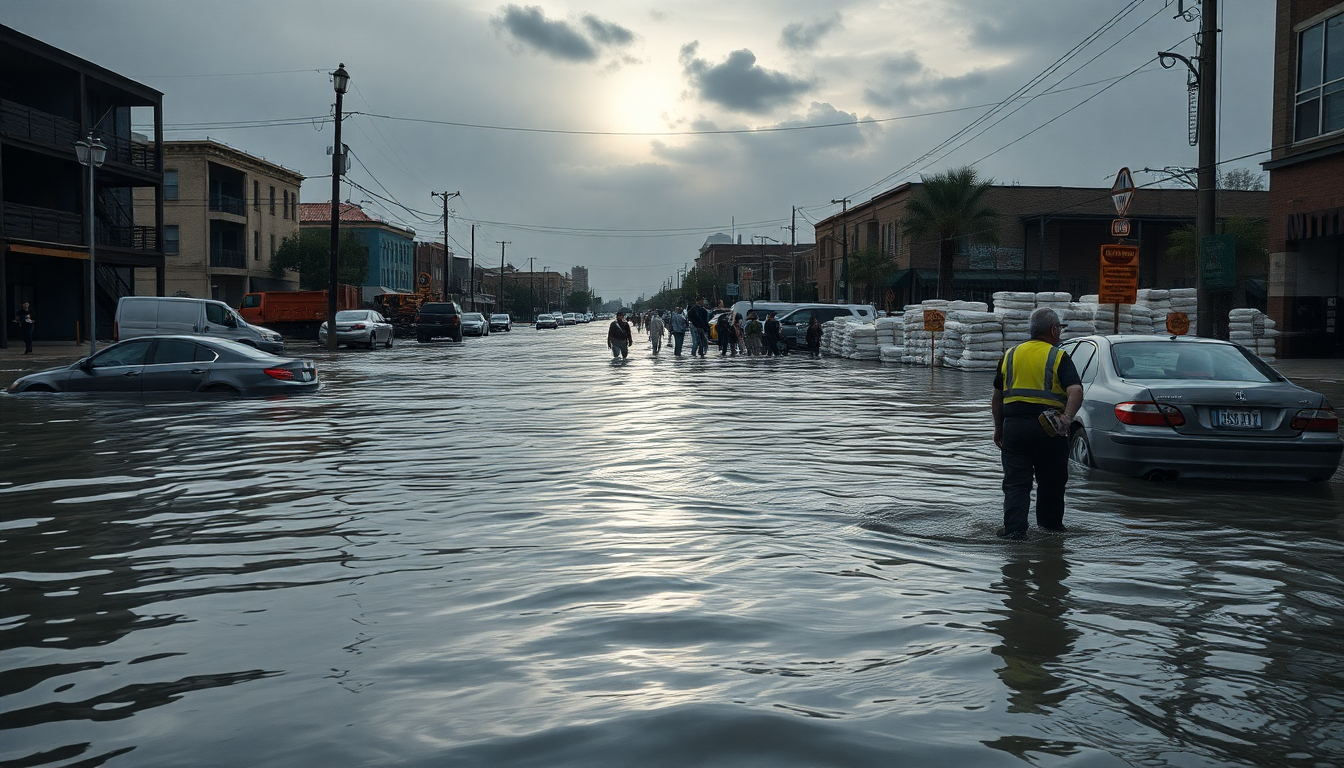
The recent deadly floods in Texas have sparked renewed discussions about climate change and the accountability of our political leaders. With communities still reeling from the loss of over 120 lives, the debate around climate action is heating up. Isn’t it striking how the responses from Democrats and Republicans reveal a deeper ideological divide, particularly when it comes to addressing climate change and preparing for disasters?
Political Accusations and Responses
In the aftermath of the devastating floods that hit central Texas over the Fourth of July weekend, Representative Jasmine Crockett (D-Texas) didn’t hold back in her criticism of Republican leadership. She pointed fingers at them for undermining efforts to tackle climate change, arguing that their recent legislative moves could worsen the challenges posed by such natural disasters. Crockett specifically called out the Trump administration and current Secretary of Homeland Security Kristi Noem, claiming that their slow response contributed to the crisis.
During her appearance on MSNBC’s “The Weeknight,” Crockett stated, “The reality is that we are going to continue to face emergencies…because they don’t believe in science.” Her words reflect a growing concern among Democrats that the political climate today isn’t prioritizing public safety amid climate-related disasters. Does this suggest that failing to act decisively on climate issues equates to neglecting the wellbeing of communities?
Moreover, many Democratic leaders have seized this moment to politicize the floods, linking the scale of the disaster to cuts in essential services like the National Weather Service (NWS) made during the Trump administration. This angle has ignited a heated debate about how political decisions impact disaster preparedness and response. How can we ignore the connection between policy and the safety of our communities?
The Broader Implications of Climate Change
The floods in Texas aren’t just a local tragedy; they’re part of a larger narrative about the far-reaching impacts of climate change on communities across the nation. The urgency with which our political leaders approach climate action could determine not only how we respond to disasters today but also how resilient our communities will be in the future. Climate change is increasingly being recognized as a public health crisis, with vulnerable populations often bearing the brunt of its effects.
As the floods took lives and wreaked havoc, discussions about climate change and political accountability intensified. Critics argue that inaction is a direct disservice to constituents, particularly those in lower-income areas who are frequently the most affected by environmental disasters. Isn’t it troubling to think that some political factions may prioritize their agendas over public welfare?
Additionally, the implications of these floods extend far beyond immediate recovery efforts. They underscore the urgent need for comprehensive climate policies that can help mitigate future disasters. As politicians wrestle with these harsh realities, one burning question remains: how will they find a balance between political ideology and the urgent need for effective climate action?
Looking Ahead: Political Will and Climate Strategy
Moving forward, we need a critical evaluation of our existing policies and a commitment to enacting changes that prioritize public safety and environmental sustainability. As the nation witnesses the devastating impacts of climate change, the call for political accountability becomes more urgent. Lawmakers must shift their focus from short-term political gains to long-term strategies that address the root causes of climate vulnerability. Are we ready to make that shift?
In conclusion, the Texas floods serve as a stark reminder of the urgent need for action on climate change and the consequences of political decisions on disaster preparedness. The discussions and legislative actions that emerge from this crisis will undoubtedly shape our political landscape, influencing how we respond to climate emergencies in the future. As stakeholders engage in this crucial dialogue, we can only hope to cultivate a more proactive approach to climate resilience that ensures no community is left behind.


